

A Welcome Departure from Sharp Edges
For years, the design language of many urban Indian homes was dominated by the crisp geometry of minimalism. Straight-backed sofas, rectangular coffee tables, and angular decor defined a clean, but sometimes cold, aesthetic. Now, a significant change
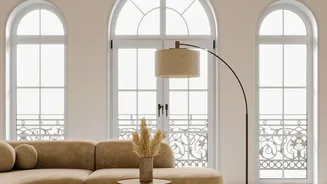
is underway. Homeowners and designers are actively moving away from spaces that feel overly structured and are instead embracing warmth and softness. This turn towards curved furniture is a direct response to a collective desire for homes that feel more like sanctuaries—personal, lived-in, and emotionally comforting. The trend signifies a departure from stark, clinical interiors toward environments that are more approachable and harmonious.
The Psychology of Softness and Nature
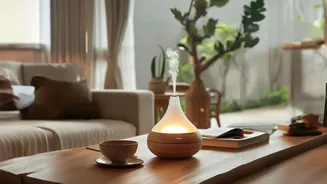
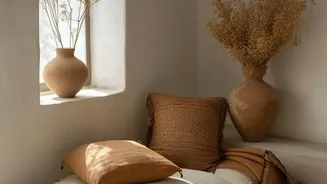
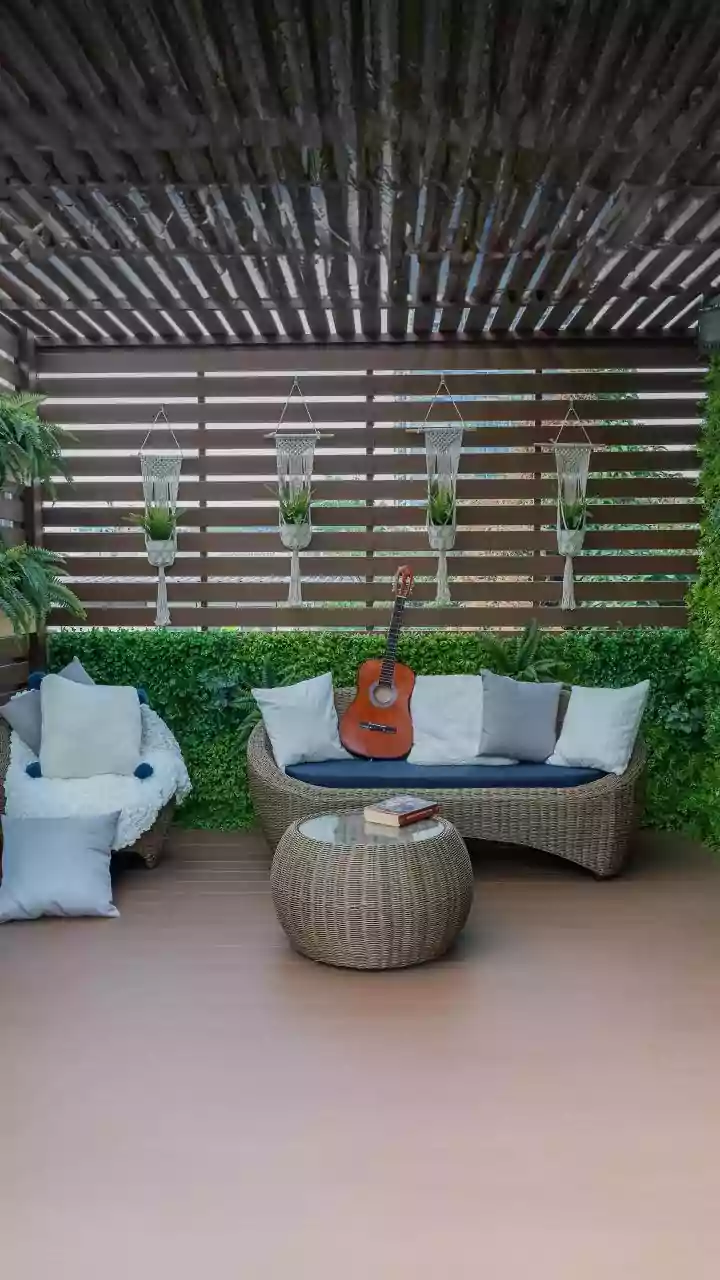
There's a scientific reason why these flowing forms feel so right. Design psychologists note that the human brain is instinctively drawn to organic shapes that mimic the natural world. Unlike sharp angles that can create a sense of tension, curves found in nature—like rolling hills, smooth pebbles, or even the human form—are perceived as safe, calming, and restorative. This principle, known as biophilic design, is a major driver of the trend. By incorporating furniture with rounded edges and sculptural silhouettes, we subconsciously connect our indoor spaces to the tranquility of the outdoors. This helps in reducing visual harshness and fostering an atmosphere of well-being, which has become a priority in our increasingly busy lives.
More Than Just a Sculptural Sofa
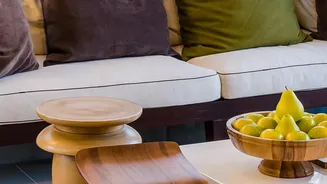
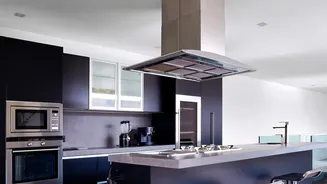
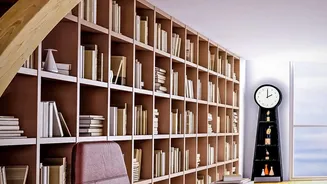
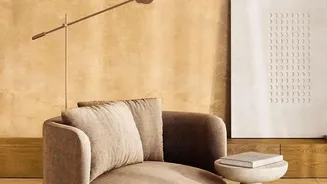
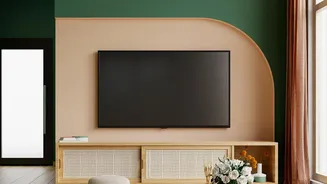
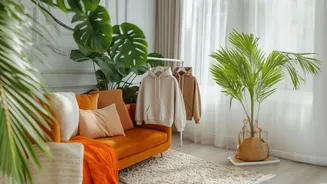
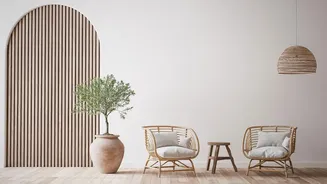
While the cocooning, crescent-shaped sofa is the poster child of this movement, the trend extends far beyond the living room centrepiece. It is influencing the entire architectural vocabulary of Indian homes. We're seeing the comeback of arched doorways and rounded wall niches that make even compact homes feel more open and luxurious. In the kitchen, curved islands are becoming statement pieces, often paired with earthy tones and warm lighting to create a comfortable hub. The trend also appears in smaller, more accessible forms like circular coffee tables, pebble-shaped accent chairs, and even softly rounded shelving units. These pieces serve as functional art, breaking the monotony of straight lines and adding immediate visual interest.
Improving Flow and Fostering Connection
Beyond aesthetics, curved furniture offers powerful functional benefits, particularly in the context of urban Indian apartments where space can be a premium. A rectangular coffee table creates hard corners to navigate, but a round or oval one allows for smoother movement and improves circulation. This creates a visual flow that guides the eye gently through the room, making the layout feel more organic and less restrictive. Furthermore, curved sofas fundamentally change social dynamics. Unlike a straight sofa that lines people up, a curved one naturally angles occupants towards each other, creating a more intimate and inclusive setting that encourages conversation. This makes it perfect for family gatherings and entertaining guests.
How to Embrace the Curve Without Overdoing It
Adopting this trend doesn't require a complete overhaul of your home. The key is balance. Interior designers advise against filling a room entirely with curves, which can feel overwhelming. Instead, the magic lies in the contrast between curved and straight lines. If you're hesitant, start small. An oval coffee table, a single rounded armchair in a corner, or even a circular rug can introduce the softness of the trend without a major commitment. Use a statement curved piece, like a beautiful sofa, as a focal point and keep the surrounding elements relatively simple to let it shine. The goal is not to eliminate straight lines but to use curves thoughtfully to soften, add character, and create a more dynamic and balanced interior.