





Create a Detailed Food Budget
The first step to managing any expense is understanding where your money is going. Start by tracking all your food-related spending for a month, from groceries to eating out. Once you have a clear picture, create a realistic monthly food budget. A popular
method is the 50/30/20 rule, where 50% of your income goes to needs (like groceries), 30% to wants, and 20% to savings. Allocating a specific amount for food helps you stay disciplined and identify areas where you can cut back without sacrificing nutrition.
Embrace Strategic Meal Planning
Planning your meals for the week is one of the most effective ways to combat rising costs. Before you go shopping, decide what you'll eat for breakfast, lunch, and dinner each day. This allows you to create a precise shopping list and buy only what you need, drastically reducing impulse purchases and food waste. A well-thought-out meal plan ensures that every ingredient you buy has a purpose, saving you money and time during busy weeknights.
Shop Seasonally and Locally
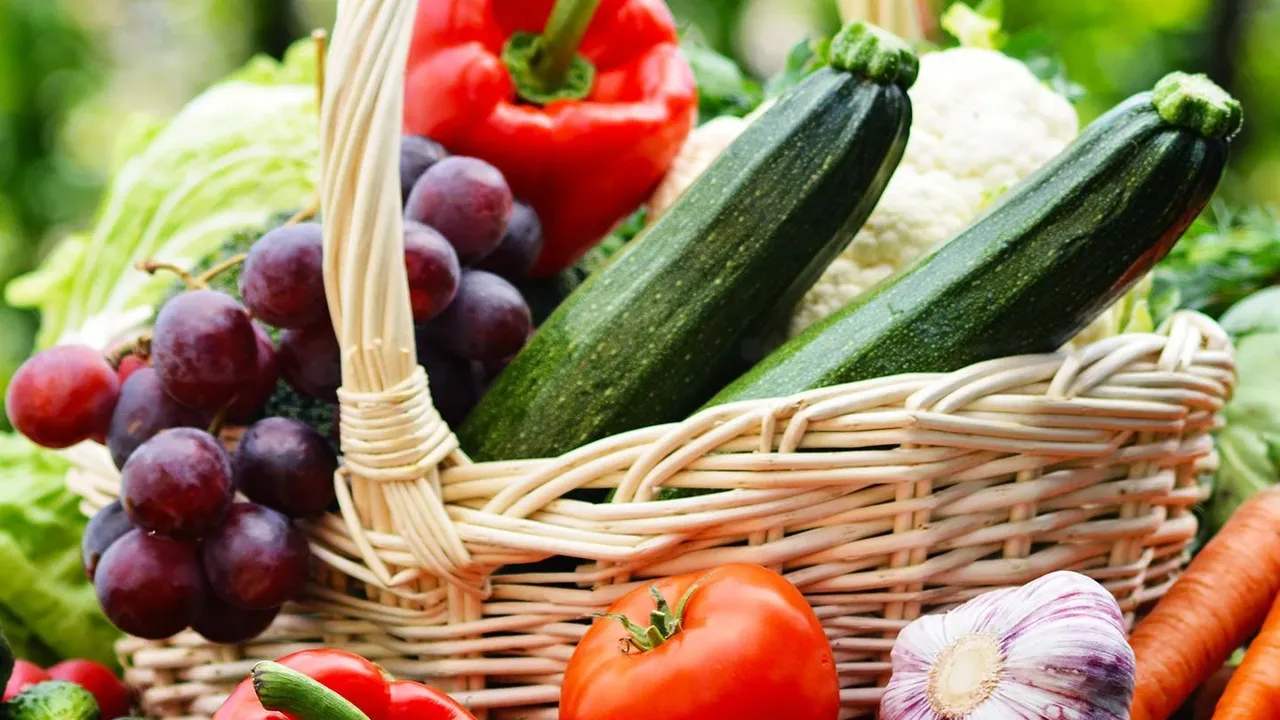
Fruits and vegetables that are in season are not only fresher and more nutritious but also significantly cheaper. Instead of relying solely on large supermarkets, explore your local vegetable markets or mandis. Produce here is often sourced directly from farmers, cutting out middleman costs and offering better prices. This habit supports local agriculture and ensures you get the best value for your money. Subscribing to direct delivery from local vendors for items like milk can also help reduce costs.
Buy Staples in Bulk, But Be Smart
For non-perishable items that form the foundation of Indian cooking—such as rice, atta, dals, and cooking oils—buying in bulk can lead to substantial savings. Wholesale markets or larger package sizes often offer a lower price per kilogram. However, be cautious with perishable goods. Buy only what you can realistically consume before the expiry date to avoid waste. If a bulk pack seems too large for your family, consider splitting the cost and contents with a neighbour or friend.
Minimise Food Waste in the Kitchen
Indian households waste a significant amount of food each year, and that's like throwing money away. Adopt a zero-waste mindset in your kitchen. Get creative with leftovers by turning last night's sabzi into a paratha filling or using extra rice for fried rice. Learn proper storage techniques to extend the life of fresh produce. For example, store leafy greens with a paper towel to absorb excess moisture. Every bit of food you save is a direct saving on your next grocery bill.
Leverage Technology for Savings
In the digital age, your smartphone can be a powerful budgeting tool. Use apps to track your expenses, compare prices at different online and offline stores, and find the best deals. Many grocery apps and credit card providers offer cashback and reward points on purchases. Before making a large purchase, a quick online search can reveal which retailer offers the best price, helping you make an informed decision and stretch your budget further.