

A Return to Nutritional Roots
For generations, millets were a dietary staple across India, from ragi mudde in Karnataka to bajra rotlas in Gujarat. These grains fell out of favour during the Green Revolution, which prioritized high-yield wheat and rice. However, a modern-day health-consciousness
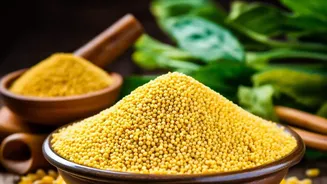
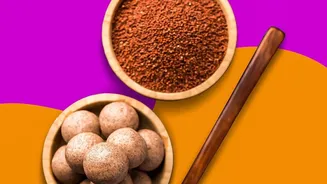
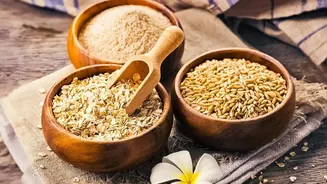
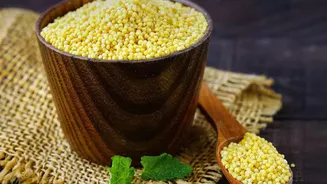
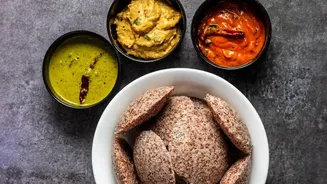
wave has brought them back into the limelight. Millets are nutritional powerhouses, naturally rich in protein, dietary fibre, and essential minerals like iron, calcium, and magnesium. Barnyard millet, known locally as 'sanwa' or 'kuthiravali', is particularly prized. It's gluten-free, making it an excellent choice for those with sensitivities, and its high fibre content aids digestion and promotes a feeling of fullness, helping with weight management. This impressive profile makes millet-based snacks a smarter choice over those made with refined flour.
The Diabetic-Friendly Advantage
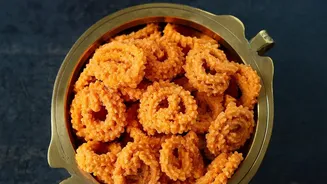
A significant driver of the millet revival is their low glycemic index (GI). Unlike refined carbohydrates that can cause sharp spikes in blood sugar, millets release energy slowly and steadily. This quality is particularly beneficial for India's growing diabetic population and anyone looking to maintain stable energy levels throughout the day. For this reason, snacks like millet cookies, ragi chips, and baked murukku are no longer niche health-food items. They are becoming mainstream choices for families who want to enjoy their traditional teatime treats without compromising on health. The switch from rice flour to millet flour in classic snacks like thattai offers the same crispy satisfaction with added nutritional benefits and better blood sugar control.
A Culinary Chameleon in the Kitchen
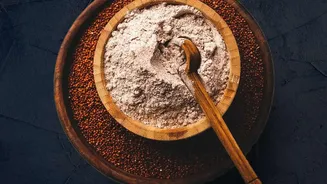
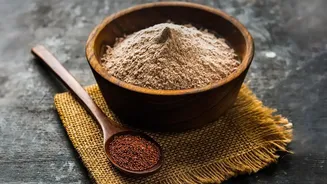
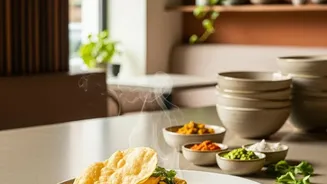
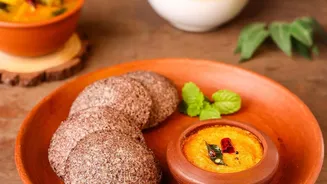
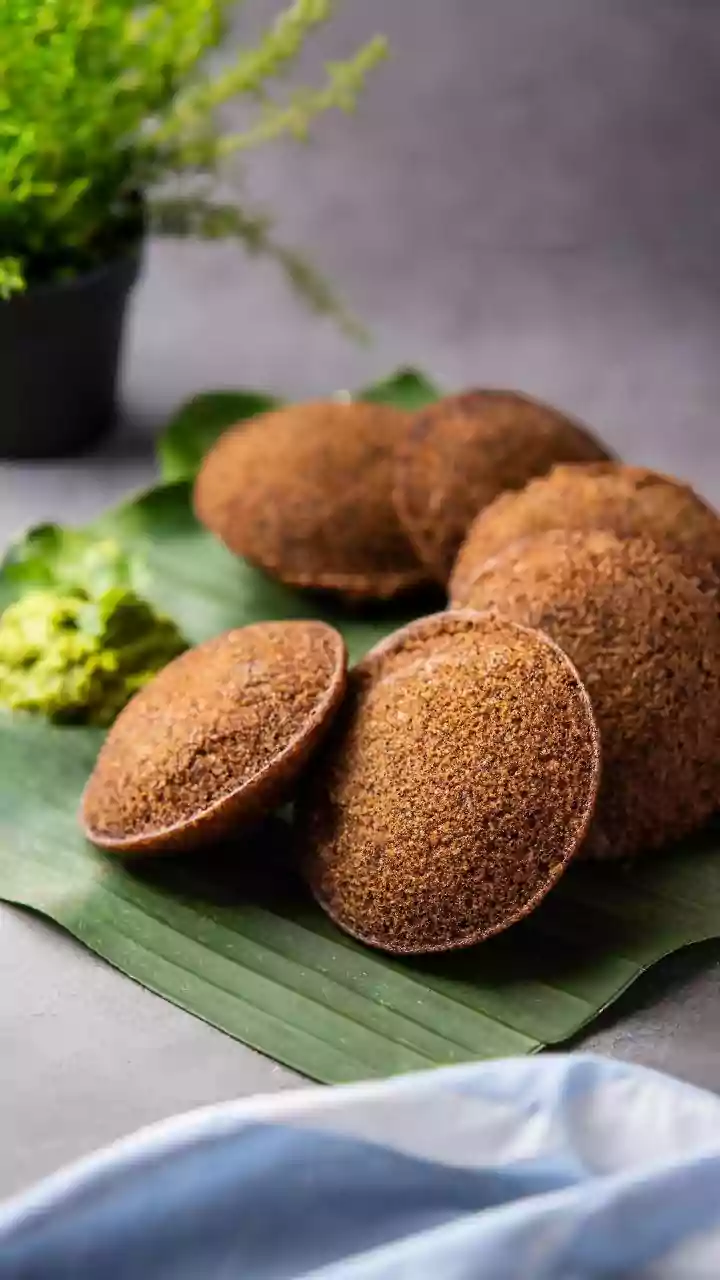
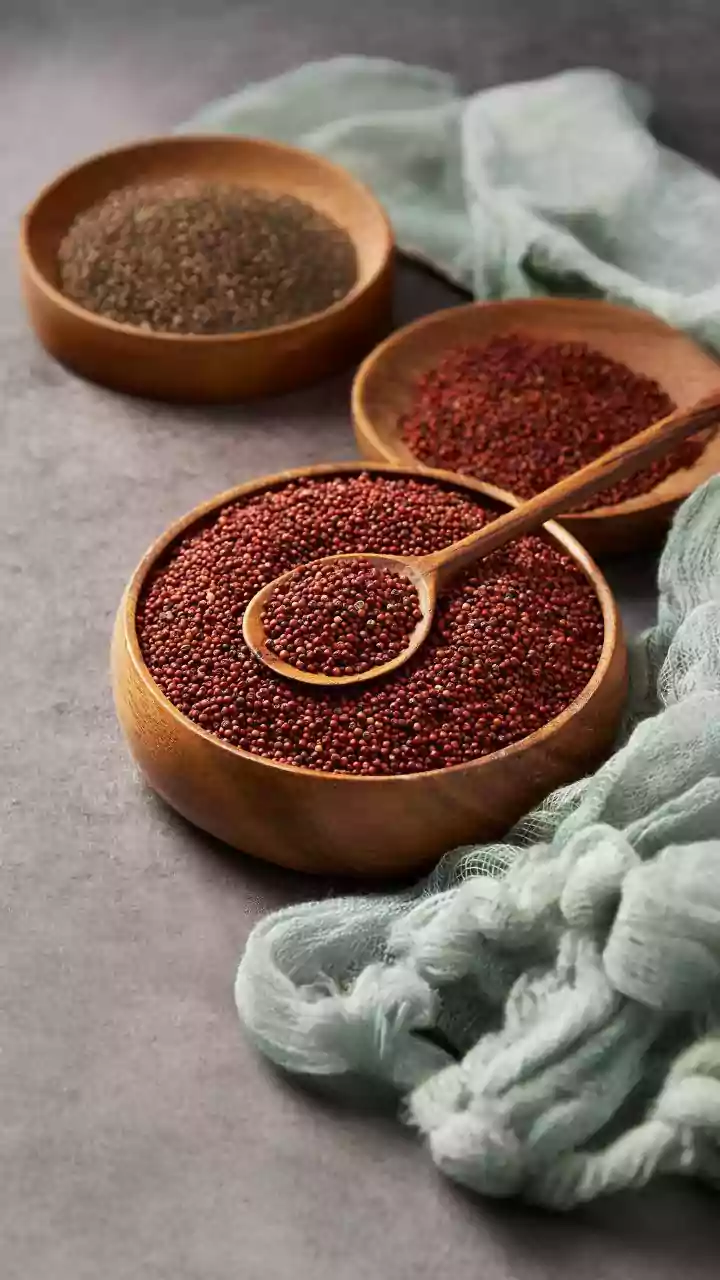
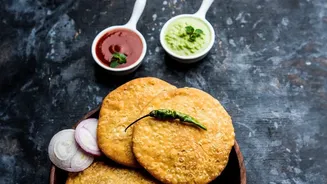
Chefs and home cooks are discovering that heritage grains are incredibly versatile. The subtle, nutty flavour of barnyard millet and the earthy notes of ragi or jowar lend themselves well to a wide array of snacks. The culinary world is buzzing with innovation, from millet-based versions of traditional favourites like samosas, mathris, and chaklis to modern creations like millet pancakes, cookies, and even pasta. Food brands and startups are meeting this demand with creative products, such as puffed millet chivda, ragi sticks, and multi-millet dosa mixes. This adaptability allows the grains to be seamlessly integrated into familiar recipes, offering a healthier twist without sacrificing taste or texture. As a result, they are transforming everything from breakfast porridge to evening snacks.
The Sustainable Choice for a Modern India
The appeal of millets extends beyond personal health to planetary well-being. These 'climate-smart' crops are incredibly resilient, requiring significantly less water than rice and wheat—up to 70% less in some cases. They can thrive in arid conditions and poor soil, making them an environmentally sound choice for India's diverse and often challenging agricultural landscape. Supporting millet cultivation also empowers local farmers and preserves agricultural biodiversity that was at risk of disappearing. This alignment of health, tradition, and sustainability resonates deeply with a growing number of consumers who are making more conscious food choices. The United Nations' declaration of 2023 as the 'International Year of Millets', following India's proposal, further boosted this awareness on a global scale.