


Choose Your Command Centre
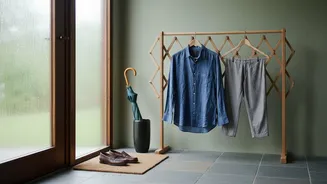
The first step is to designate a specific spot as your official monsoon drying zone. Spreading wet items across the house is a mistake; it raises humidity everywhere and creates clutter. A spare room, a low-traffic corner of your bedroom, or even a covered
balcony can work. The ideal location should have good ventilation. Ensure there's enough space to keep furniture at least a few inches away from the drying rack to improve air circulation and prevent mould growth on walls. Consider the flooring as well; a tiled or non-wooden floor is best to prevent water damage from any drips.
Gather Your Drying Arsenal
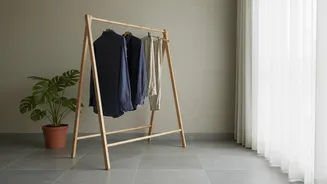
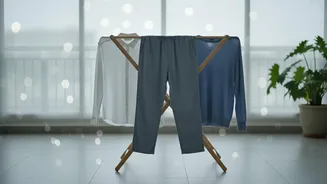
Equipping your drying zone with the right tools is crucial for success. A foldable metal drying rack is a non-negotiable; wooden ones can warp with constant moisture. A pedestal or ceiling fan is your next best friend. Air circulation is more important than heat for drying clothes indoors, as it helps whisk moisture away from the fabric. For homes in very humid areas, investing in a dehumidifier can be a game-changer. It pulls moisture directly from the air, drastically cutting down drying time and preventing the growth of mould and mildew. Finally, place absorbent mats or old towels under the rack to catch drips and protect your floor.
The Laundry Protocol
How you wash and hang your clothes makes a significant difference. Start by washing smaller, more manageable loads. Overloaded machines result in clothes that are too tightly packed to rinse and spin properly, retaining more water. Always use the highest spin cycle your washing machine offers; an extra spin can remove a surprising amount of excess water. When hanging clothes, space is key. Avoid overcrowding the rack, as garments that touch will trap moisture and develop a sour smell. Use hangers for shirts, kurtas, and dresses to expose more surface area to the air and reduce wrinkles.
Tackling Wet Shoes and Umbrellas
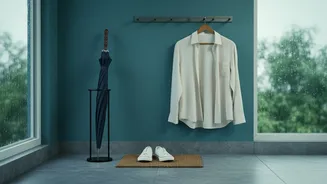
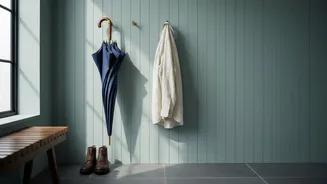
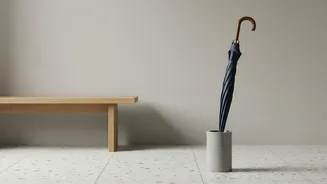
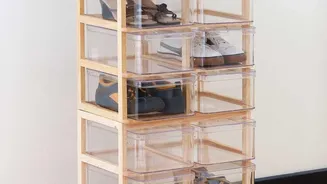
Your drying zone isn't just for clothes. Soaked shoes and dripping umbrellas need a designated spot too. For shoes, the golden rule is to never use direct heat like a hairdryer, as it can damage the glue and material. Instead, remove the insoles and loosen the laces. Stuff them loosely with crumpled newspaper, which is excellent at absorbing moisture from the inside; change the paper every few hours. Placing the shoes in front of a fan will speed up the process significantly. Umbrellas should be left partially open to dry, not fully closed (which traps water) or fully open (which takes up too much space). Hang them from a hook or lean them in a bucket to catch drips.
Winning the War on Odour
The final battle is against the musty smell that often accompanies indoor drying. This odour is caused by bacteria and mould growing on damp fibres. Good ventilation is the primary defence. If possible, crack open a window in the drying zone to allow moist air to escape. You can also place natural moisture absorbers like charcoal briquettes or silica gel packets in the room to combat humidity. For clothes, ensure they are 100% dry before storing them. If a garment still feels slightly damp, a quick iron can remove the last traces of moisture and kill any lingering bacteria.