







The Case for Walking: Gentle and Accessible
Walking is often called the perfect exercise for a reason: almost anyone can do it, anywhere, with no special equipment beyond a comfortable pair of shoes. It's a low-impact activity, meaning it puts minimal stress on your joints, making it an ideal choice
for absolute beginners, individuals with pre-existing joint issues, or those carrying extra weight. The intensity is entirely up to you. You can start with a slow stroll and gradually increase your pace, distance, or even add inclines to make it more challenging as your fitness improves. While it may not burn calories as quickly as more intense exercises, its sustainability is a huge advantage. A 45-minute brisk walk can burn a similar number of total calories as a much shorter, more intense skipping session you might not be able to sustain. Consistency is the most important factor for any fitness goal, and walking is an easy habit to build and maintain.
The Case for Skipping: Intense and Efficient
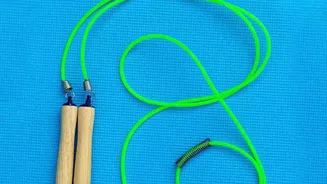
Skipping, or jumping rope, is a high-intensity workout that delivers significant benefits in a short amount of time. It's a full-body exercise that engages your legs, core, and even your arms and shoulders. The biggest draw for many is its efficiency. Just 10 minutes of skipping can offer similar cardiovascular benefits to a 30-minute jog. Calorie burn is also high, with some estimates suggesting you can burn 10-20 calories per minute, depending on your weight and intensity. This makes it a fantastic option for those with busy schedules. Furthermore, when done correctly, skipping can be surprisingly joint-friendly. By landing on the balls of your feet with soft knees, you can reduce the impact compared to running. It's an affordable workout that requires only a rope and a small amount of space, making it easy to do at home.
Calorie Burn and Intensity
When it comes to burning calories per minute, skipping has a clear edge. It's a high-intensity activity that elevates your heart rate quickly. A 10-minute skipping session can burn over 200 calories, significantly more than a 10-minute walk. However, total calorie burn depends on duration. A beginner might only be able to skip for a few minutes at a time, broken up by rest periods. In contrast, they could likely walk for 30 minutes or more. In that scenario, the longer, less intense walking session might burn more calories overall. The key takeaway is that skipping is more time-efficient for calorie burning, but only if you can maintain the intensity.
Joint Impact and Injury Risk
For beginners, joint health is a crucial consideration. Walking is a low-impact exercise that is gentle on the knees, hips, and ankles. This makes it a safer starting point, especially for those who are overweight or have previous injuries. Skipping is a higherndimpact activity, but the force is different from running. Proper technique—staying on the balls of your feet and keeping jumps low—is essential to minimize stress on the joints, particularly the knees. However, it does place repetitive stress on the ankles and calves. For those with prendexisting knee problems, skipping might actually be less painful than running, but walking remains the lowestndimpact choice of the two.
Skill, Cost, and Convenience
Walking requires virtually no skill; you just head out the door. Skipping, on the other hand, involves a learning curve. It takes coordination and practice to get the timing right without tripping over the rope. Beginners should start slowly, perhaps practicing the footwork without a rope first, and aiming for short 30ndsecond intervals. In terms of cost, both are affordable. Walking is free, while a good jump rope is an inexpensivendone time purchase. Convenience is also high for bothndbut walking offers more flexibility. You can walk almost anywherendindoors on a treadmill or outdoors on a trailndSkipping requires a flat surface with enough clearance ndwhich might be a limitation for some.
SondWhich Should You Choose?
The best starting point depends entirely on your current fitness level and personal preferences ndWalking is the undisputed winner for true beginners ndthose with significant weight to lose ndor anyone with joint concerns ndIts gentle nature and simplicity make it an easy habit to adopt and stick with ndSkipping is an excellent choice for those who already have a base level of fitness ndare looking for a timendefficient and intense workout ndand are willing to practice the required coordination ndDon't feel you have to choose just one ndA great approach is to combine them ndYou could walk most days of the week to build a consistent habit and add two or three short skipping sessions for a highintensity boost ndThis gives you the best of both worlds ndthe sustainability of walking and the powerful efficiency of skipping.