





Understanding Smart Coatings and Films
At its core, a smart glass coating is a microscopically thin layer applied to windows to control the amount of light and heat passing through. Think of it as an intelligent filter. These aren't just simple tints; they are advanced materials engineered
to distinguish between different types of solar energy. The most common solutions for homes are heat reflective films or windows with a built-in 'Low-E' (low-emissivity) coating. These can be retrofitted onto existing windows or installed as new units, offering a high-tech solution to the age-old problem of solar heat gain.
The Science of Staying Cool
Sunlight is composed of visible light, ultraviolet (UV) rays, and infrared (IR) rays. It's the infrared rays that are primarily responsible for the heat you feel. Smart coatings are designed to be 'spectrally selective', meaning they can differentiate between these wavelengths. They reflect or absorb a large portion of the heat-carrying IR rays while allowing most of the visible light to pass through. This keeps your home naturally bright without turning it into a greenhouse. The result is a significant reduction in the amount of heat entering the room, which can lower indoor temperatures noticeably. Some studies have found that certain films can block up to 70-80% of the sun's incoming heat.
Types of Heat-Blocking Solutions
There are a few key technologies available for residential use. Low-E coatings are among the most popular for energy efficiency. These are metallic oxide layers that reflect heat back to its source—keeping heat out in the summer and retaining indoor warmth in the winter. Spectrally selective films take this a step further by specifically targeting infrared heat. For a more dynamic approach, there is 'active' smart glass, like electrochromic glass, which can change its tint from clear to dark with the press of a button. However, these are generally more expensive and better suited for commercial buildings or luxury homes. For most urban homeowners in India, high-performance reflective films and Low-E glass offer a practical balance of cost and efficiency.
More Than Just Cooling
The benefits of these coatings extend beyond temperature control. By blocking up to 99% of harmful UV rays, they protect your furniture, curtains, and flooring from fading over time. They also significantly reduce glare, making it more comfortable to watch television or work on a computer near a window. During the day, many reflective films increase privacy by creating a mirror-like effect on the exterior, preventing outsiders from looking in without obstructing your view from the inside. This combination of cooling, UV protection, and enhanced privacy makes them a multi-purpose upgrade for any home.
Is It Right for Your Indian Home?
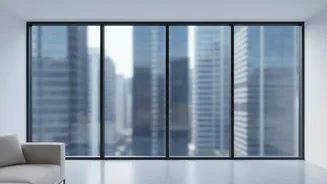
For anyone living in an apartment or house in a dense Indian city, large windows are both a blessing and a curse. They offer views and light but contribute massively to overheating. Heat-blocking films are particularly effective on west and south-facing windows, which receive the most intense direct sunlight during the day. While there is an upfront investment—the cost in India can range from ₹800 to over ₹2000 per square foot depending on the technology—the long-term savings can be substantial. By reducing the load on your air conditioner, these coatings can lower cooling costs by up to 20-30%, helping the investment pay for itself over time.