

The Core Essentials: Your Safety Net
Every hiker's pack should start with the 'Ten Essentials', a collection of items for safety and survival. In the Rockies, these are non-negotiable. This includes navigation tools like a physical map and compass, supplemented by a GPS or phone with downloaded
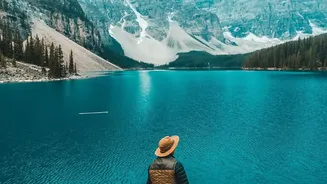
maps and a power bank, as cell service is unreliable. Sun protection is crucial due to the altitude; pack sunscreen, sunglasses, and a wide-brimmed hat. A headlamp or flashlight with extra batteries is vital, as you never know when a hike might take longer than planned. A well-stocked first-aid kit, including blister care, is a must. Also carry a knife or multi-tool, a means to start a fire like waterproof matches or a lighter, and a lightweight emergency shelter or space blanket.
Layering: Dress for Four Seasons in a Day
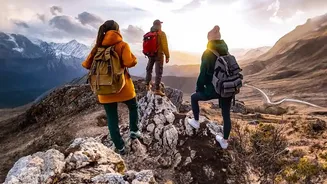
Mountain weather is famously unpredictable; a sunny start can quickly turn into a cold, windy, or rainy afternoon. The key is layering. Start with a moisture-wicking base layer (avoid cotton, which stays wet and cold). Add a warm mid-layer, like a fleece or a light down vest. Your outermost layer should be a waterproof and windproof jacket. It's also wise to pack waterproof pants, even if the forecast is clear. This system allows you to add or remove clothing to stay comfortable. Don't forget a warm hat and a pair of gloves, which can be lifesavers at a windy viewpoint or if the temperature drops.
Footwear: Your Most Important Piece of Gear
You'll be covering varied and often rugged terrain, from smooth forest paths to rocky alpine scree. Sturdy, comfortable, and well-broken-in footwear is your most critical piece of equipment. For most trails, hiking boots that provide ankle support are recommended. On less technical or shorter trails, a robust pair of trail runners with excellent grip can suffice. Regardless of your choice, pair them with good quality wool or synthetic hiking socks to manage moisture and prevent blisters. Packing an extra pair of socks is a small luxury that can make a huge difference if your feet get wet.
Wildlife Safety: Bear Spray is Mandatory
The Canadian Rockies are home to both grizzly and black bears. While encounters are not an everyday occurrence, being prepared is essential for safety. Parks Canada strongly recommends that all hikers carry bear spray. This isn't an item to be buried in your backpack; it must be carried in an accessible holster on your belt or pack's chest strap, where you can reach it in seconds. Remember that bear spray is a last resort and should not be used like insect repellent on your gear or campsite, as the odour can actually attract curious animals. Making noise by talking loudly or occasionally shouting is a primary way to alert bears of your presence and avoid surprising them.
Fuel and Hydration: Power Your Adventure
Hiking burns a lot of energy, and staying hydrated at altitude is crucial. Carry more water than you think you'll need—at least one to two litres per person for a day hike. A hydration reservoir (bladder) is a convenient way to sip water consistently. For longer hikes, bring a lightweight water filter or purification tablets to safely refill from streams. Pack plenty of high-energy, easy-to-eat snacks like trail mix, energy bars, and fruit. It's always better to end a hike with leftover food and water than to run out. Remember to pack out all garbage, including food scraps.
Optional but Recommended Extras
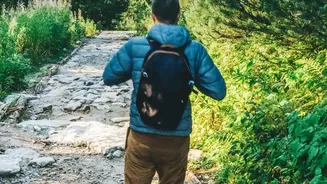
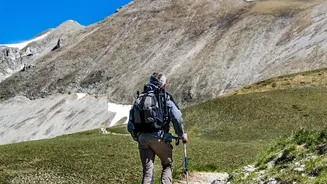
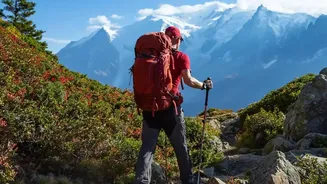
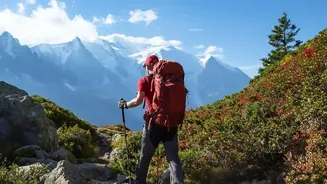
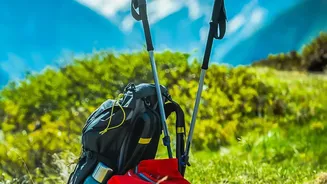
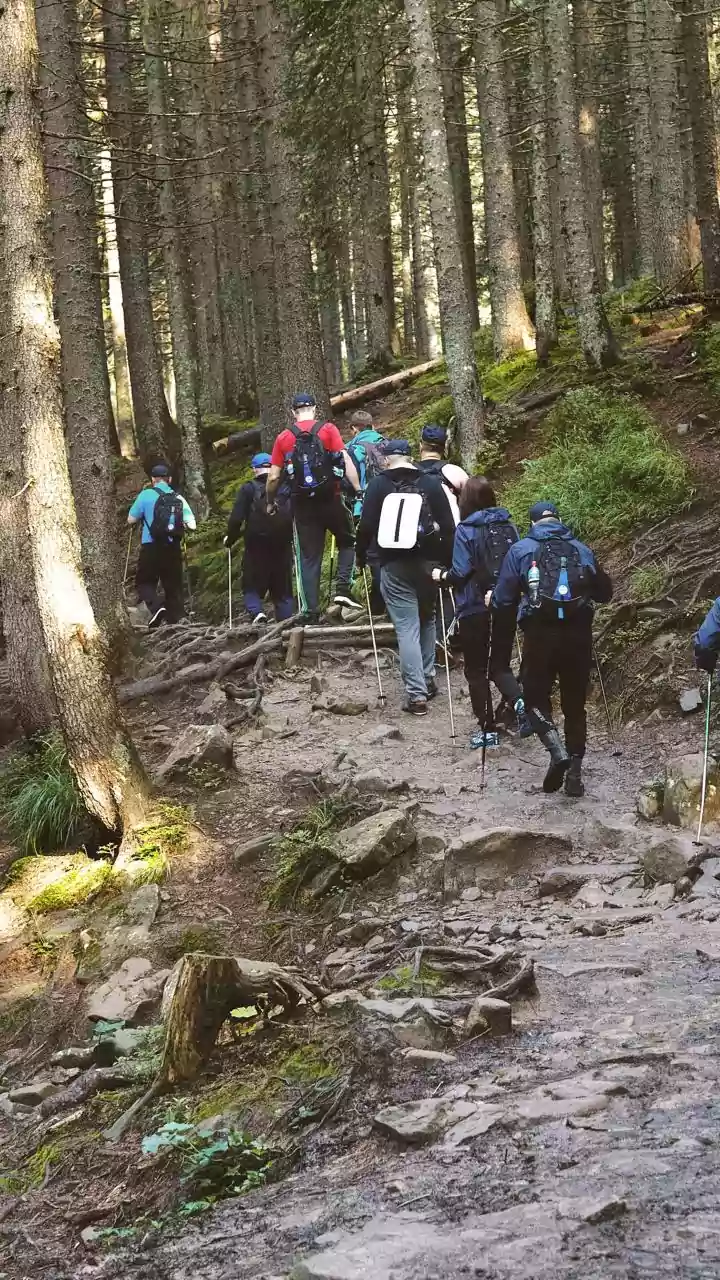
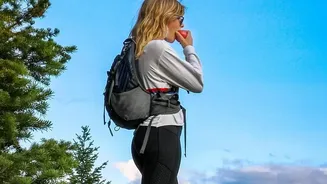
A few other items can significantly enhance your comfort and safety. Trekking poles are popular for reducing strain on the knees during steep descents and providing stability on uneven ground. A small daypack (around 20-35 litres) is perfect for carrying your gear. Since you'll want to capture the stunning vistas, a camera is a great addition. Finally, always check trail conditions with Parks Canada before you go and leave your itinerary with someone you trust.