




Deconstructing the Rs 72,000 Crore Figure
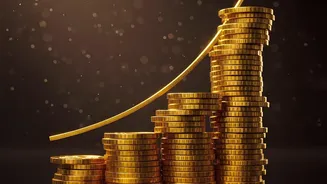
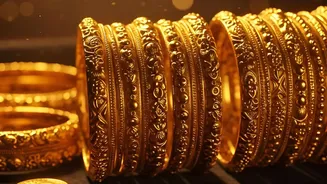
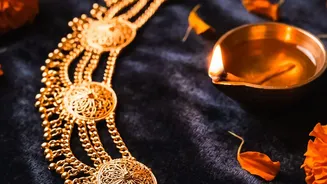
The India Bullion and Jewellers Association (IBJA) reported that during the Dhanteras and Diwali festive period of 2026, consumers purchased a remarkable 52 tonnes of gold, valued at approximately Rs 72,000 crore. This represents a significant 30% increase
in the volume of gold sold compared to the same period last year. The shopping frenzy was not limited to gold; silver sales also saw a 10% volume increase, with 300 tonnes worth Rs 5,400 crore being purchased. These numbers, driven by a combination of cultural tradition and economic factors, paint a picture of resilient consumer demand. While other industry bodies like the Confederation of All India Traders (CAIT) had earlier projected slightly lower but still robust figures for precious metal sales, the final estimates from IBJA confirm a blockbuster season for jewellers across the nation.
A 'Golden' Opportunity: Price Correction Fuels Demand
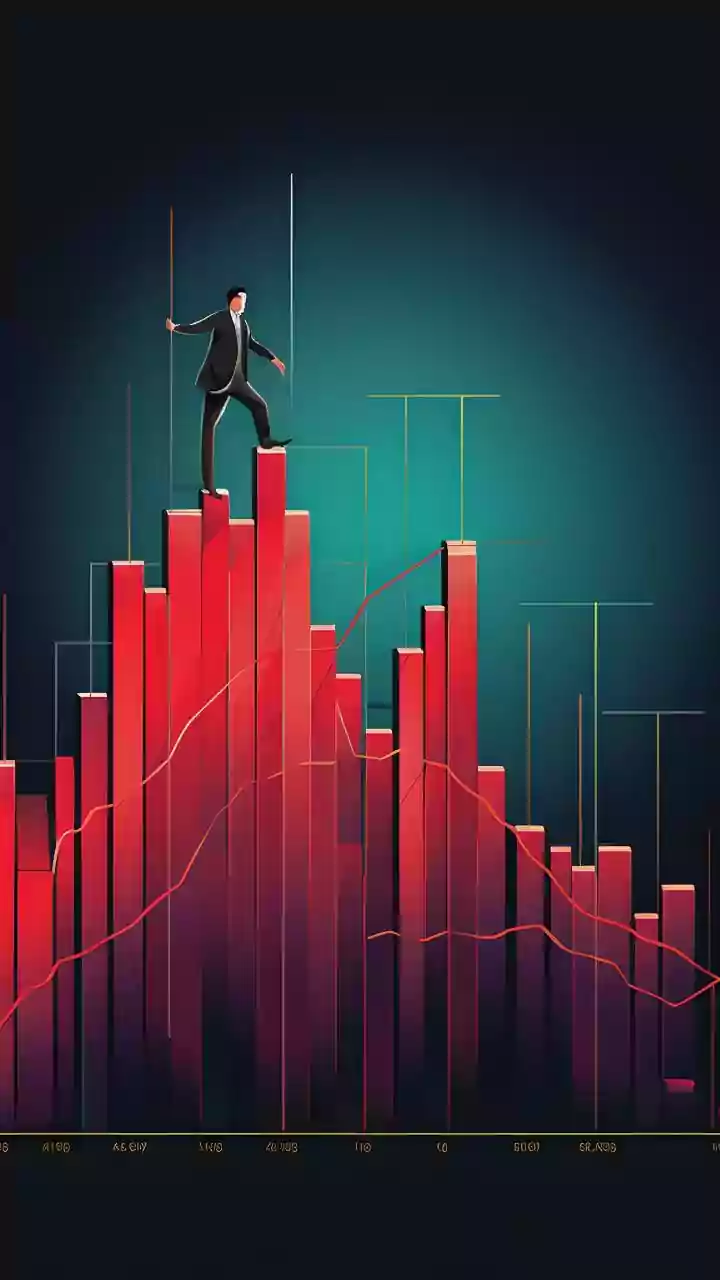
A key driver behind this year's surge was a timely correction in gold prices. After hitting a peak of around Rs 1.8 lakh per 10 grams in January 2026, prices fell to approximately Rs 1.42 lakh during the festive period. This dip was perceived by many as a golden opportunity to buy. A Kolkata-based bullion dealer noted that while retail buyers were already keen to make auspicious Diwali purchases, the price drop provided a powerful added incentive. This sentiment was echoed by jewellers across the country, who reported that many consumers who had been waiting on the sidelines returned to the market, leading to what some described as pent-up demand being released. The timing of the festivals, falling early in the month when salaries and bonuses are often disbursed, also likely contributed to the healthy cash flow in the market.
Shifting Habits: How Indians Are Buying Gold Now
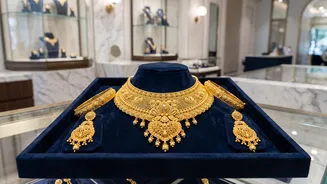
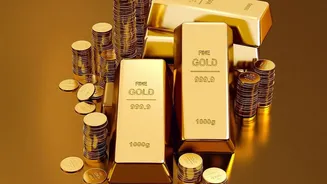
While the overall value of sales soared, high prices have subtly reshaped buying habits. Many consumers are strategically opting for lighter-weight jewellery or pieces with lower carat values, such as 14-carat and 18-carat gold, to stay within budget without forgoing the tradition of buying gold. This trend allows families to participate in the auspicious practice even when per-gram costs are high. Furthermore, there is a noticeable shift in what people are buying. While jewellery remains popular, especially with the wedding season kicking off, the demand for gold bars and coins has been robust. The digital space is also becoming a significant player, with digital gold and gold Exchange-Traded Funds (ETFs) attracting younger, tech-savvy investors. These platforms allow for smaller, more frequent investments, making gold more accessible than ever.
More Than an Investment: Culture and Confidence
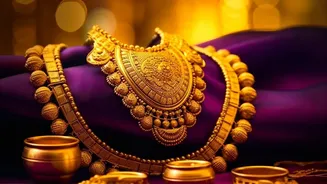
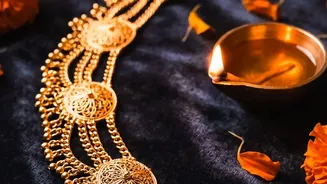
In India, gold is deeply woven into the cultural fabric, symbolising prosperity, security, and good fortune. Dhanteras is traditionally the most auspicious day of the year for purchasing precious metals. This cultural significance ensures a steady stream of demand, particularly for weddings and festivals, that is less sensitive to price fluctuations than pure investment demand. This year's record-breaking sales are also being interpreted as a strong signal of economic confidence. Despite concerns about inflation, the willingness of consumers to spend on big-ticket items like gold suggests a positive outlook on their financial future. The All India Gem and Jewellery Domestic Council (GJC) noted that even Gen Z consumers showed a keen interest in buying gold this year, viewing it as a reliable asset that has historically delivered strong returns.