

Know the Signs: When Is It Time to Repot?
Plants are good at telling you what they need. Repotting is usually necessary every one to two years, but look for specific clues. If you see roots growing out of the drainage holes at the bottom of the pot, that’s a clear sign your plant is out of space.
Another common indicator is how quickly the soil dries out; if you have to water far more frequently than you used to, the pot likely contains more roots than soil. Stunted growth, smaller new leaves, or a plant that looks top-heavy and unstable are also signs that it’s time for a new home. The best time to repot is during the plant's active growing season, typically spring or early summer, as this helps it recover more quickly.
Gather Your Supplies for a Smooth Process
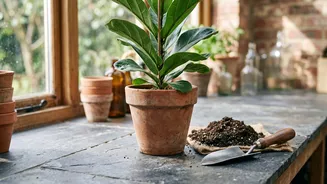
Being prepared makes repotting a clean and stress-free job. Before you start, gather everything you will need. First, select a new pot. It should be only one to two inches wider in diameter than the current one. Choosing a pot that is too large can lead to waterlogged soil and root rot because the soil retains moisture longer than the plant can use it. Ensure the new pot has drainage holes. You'll also need fresh, high-quality potting mix appropriate for your specific plant. For example, succulents need a free-draining mix, while many tropical houseplants prefer an airy, peat-based one. Having a small trowel, scissors, and a mat or newspaper to cover your workspace will also make the process much tidier.
The Gentle Removal: Freeing Your Plant
How you remove the plant is critical to preventing root damage. To make the process easier and less stressful for the plant, water it thoroughly a day or two before you plan to repot. This helps the soil and root ball hold together. When you’re ready, turn the pot on its side and gently tap or squeeze the sides to loosen the plant. Support the base of the stems with one hand while you carefully slide the plant out. Never pull the plant out by its stems, as this can cause significant damage. If it’s stuck, you can run a knife or a flat tool around the inside edge of the pot to help release the root ball.
Inspect and Prepare the Roots
Once the plant is free, take a moment to inspect its root system. Healthy roots are typically firm and light-coloured. If the roots are tightly wound in a circle (a condition known as being 'root-bound'), gently tease them apart with your fingers to encourage them to grow outward into the new soil. You don't need to remove all the old soil, especially if the root ball is healthy. Disrupting the roots too much can cause 'transplant shock', a period of stress where the plant may wilt or drop leaves. If you see any mushy, dark, or dead-looking roots, trim them away with clean scissors. A plant can easily survive losing some of its roots, and this pruning helps prevent root rot in the new pot.
Settling Into the New Home
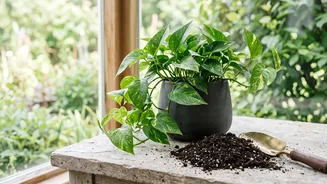
Now it's time to place your plant in its new pot. Start by adding a layer of fresh potting mix to the bottom. Position the plant in the center of the pot, ensuring the top of the root ball sits about an inch below the rim. This space is important for watering. Holding the plant steady, fill in the area around the root ball with more fresh soil, gently pressing it down to remove any large air pockets. Avoid packing the soil too tightly, as this can reduce oxygen flow to the roots. Tap the pot on your work surface a few times to help the soil settle naturally.
Essential Aftercare for a Happy Recovery
After repotting, your plant needs a little time to recover from the move. Water it thoroughly to help the new soil settle around the roots. Then, place the plant in a spot with similar light conditions to where it was before, but avoid direct, intense sunlight for a week or two. This helps minimize stress while it adjusts. Hold off on fertilizing for at least a month; the fresh potting mix contains plenty of nutrients, and adding fertilizer too soon can burn the sensitive, recovering roots. You should see signs of new growth once the plant has successfully settled into its new home.