


The Science of Nutrient Loss in Cooking
To understand why clay pots are beneficial, we first need to know what happens to food when it's cooked. Many essential nutrients, particularly water-soluble vitamins like Vitamin C and the B-vitamin family (including folate and thiamin), are quite delicate.
When exposed to the high, direct heat of modern metal cookware, these vitamins can degrade and lose their potency. Furthermore, when you cook with a lot of water and then discard it, these vitamins leach into the water and go down the drain. The aggressive, fast heat of a steel or aluminium pan creates hot spots that can scorch food and accelerate this nutrient destruction.
Gentle, Even Heat is the Key
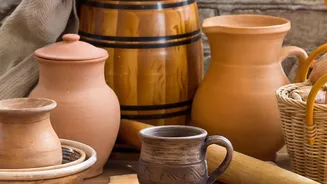
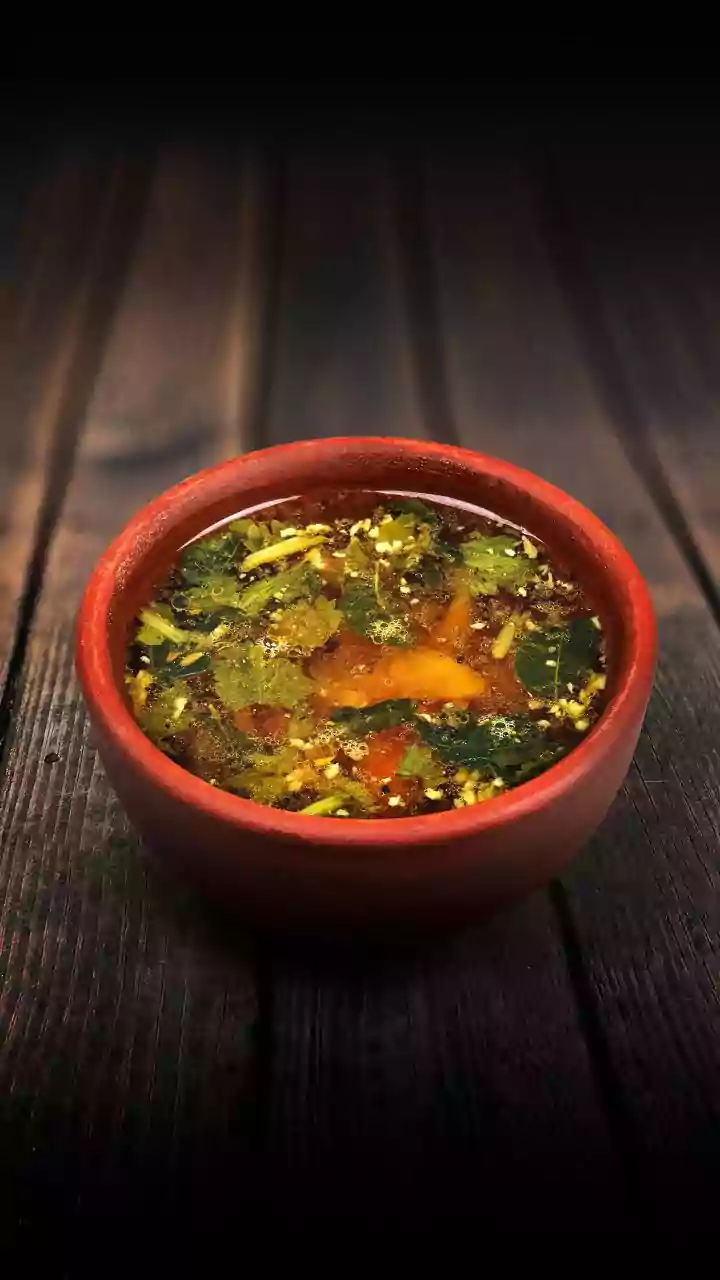
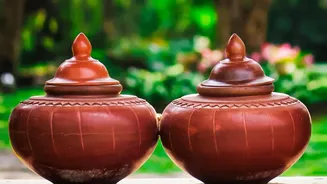
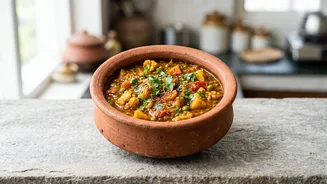
This is where clay cookware changes the game. Earthen pots are naturally porous and act as insulators. They heat up slowly and distribute that heat far more evenly than metal. Instead of assaulting your food with intense, near-infrared heat, a clay pot radiates a gentler, far-infrared heat that cooks food thoroughly from all sides at a lower, more stable temperature. This slow, steady process is much kinder to those fragile, heat-sensitive vitamins, allowing a higher percentage of them to survive the cooking process and make it to your plate.
Moisture Circulation and Natural Basting
The porous nature of clay does something else remarkable: it manages moisture perfectly. As the pot heats up, steam is created inside. Instead of escaping, this steam circulates within the vessel, creating a self-basting effect that keeps the food tender and moist. This means you don't need to add as much water or oil to your gravies. By cooking food in its own juices, the water-soluble vitamins are not leached out into excess liquid. The nutrients stay where they belong—in the food itself, waiting to be absorbed by your body.
Balancing Acidity for Better Taste
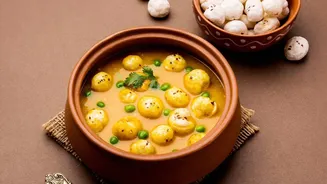
Many traditional Indian gravies rely on acidic ingredients like tomatoes, tamarind, or yoghurt for their signature tang. Clay is naturally alkaline, and this property can help neutralize some of the acidity in your food. This not only results in a more balanced, less sharp flavour profile but also can make the final dish gentler on the digestive system. It’s a subtle chemical interaction that contributes to both the taste and the perceived healthfulness of a slow-cooked meal.
Beyond Vitamins: Purity and Flavour
Beyond vitamin preservation, pure, unglazed clay pots offer another significant health advantage: they are non-reactive. Unlike some metal or coated pans that can potentially leach chemicals or metallic ions into your food, clay is an inert material. This ensures that the taste of your gravy remains pure and untainted. The slow cooking process also allows spices to meld more deeply, developing a complex aroma and flavour that simply can’t be replicated with fast, high-heat methods. It proves that what’s often best for nutrition can also be best for taste.