




A Nutritional Renaissance
For decades, the Indian diet has been dominated by wheat and rice, the celebrated heroes of the Green Revolution that secured the nation's food supply. But this focus came at a cost, pushing a vast diversity of indigenous grains, seeds, and vegetables
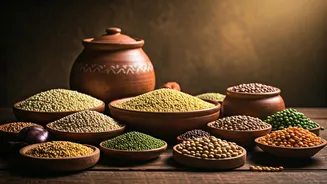
into obscurity. Today, a powerful counter-movement is gaining momentum. From urban kitchens to national policy, India is consciously turning back to its traditional food systems. This isn't just nostalgia; it's a strategic embrace of 'indigenous nutrition'—a diet rich in locally-grown, climate-resilient, and nutrient-dense foods that our ancestors thrived on.
The Mighty Millet's Comeback
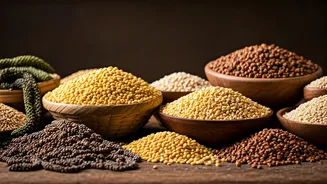
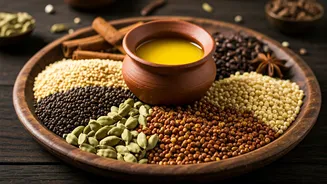
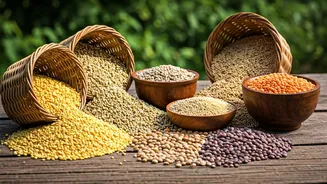
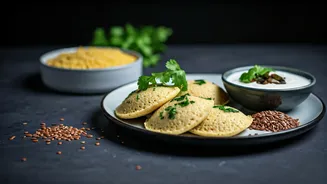
At the forefront of this shift are millets, a group of hardy cereals once dismissed as 'coarse grains' or 'poor man's food'. Now rebranded as 'nutri-cereals', varieties like jowar (sorghum), bajra (pearl millet), and ragi (finger millet) are the poster children of this nutritional awakening. The Indian government's successful campaign to have the UN declare 2023 as the 'International Year of Millets' was a masterstroke, catapulting these humble grains onto the global stage. This national push has translated into real action, with millets being incorporated into public distribution systems, school meals, and appearing in innovative forms—from ragi cookies and jowar pasta to millet-based breakfast cereals—on supermarket shelves.
More Than Just Food: A Health Corrective
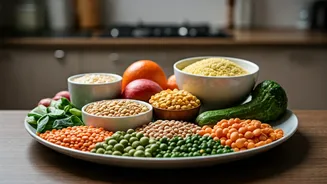
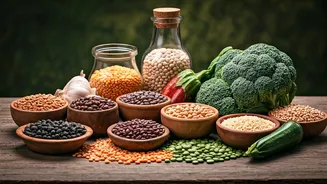
The embrace of indigenous nutrition is deeply intertwined with India's battle against lifestyle diseases. Millets and other traditional foods like amaranth (rajgira) and buckwheat (kuttu) are nutritional powerhouses. They are typically gluten-free, rich in fibre, packed with essential minerals like iron and calcium, and have a low glycemic index. This makes them ideal for managing diabetes, improving heart health, and combating malnutrition. For a growing number of health-conscious consumers, switching from refined flour to millet flour isn't a fad; it's a practical and effective way to take control of their well-being, turning the modern kitchen into a source of preventive medicine.
Climate-Smart and Farmer-Friendly
The benefits extend far beyond personal health. In an era of climate change, these indigenous crops are a crucial part of the solution. Millets are 'climate-smart' crops. They are incredibly resilient, capable of growing in arid, water-stressed regions with minimal chemical inputs like fertilisers and pesticides. Unlike water-guzzling rice and wheat, their cultivation is far more sustainable, helping to conserve precious groundwater and improve soil health. For India's millions of small and marginal farmers, this shift represents a vital economic opportunity. Reviving demand for traditional grains provides them with a stable livelihood, reduces their dependence on expensive inputs, and helps preserve the country's rich agricultural biodiversity.
A Taste of the Future
This movement is being championed by a new generation of chefs, entrepreneurs, and home cooks. Startups are creating innovative, ready-to-eat products that make traditional foods convenient for modern lifestyles. High-end restaurants are putting forgotten local greens and grains on their menus, celebrating regional culinary heritage. At home, people are rediscovering their grandmothers' recipes, finding pride and connection in the flavours of their past. This fusion of tradition and innovation ensures that the embrace of indigenous nutrition is not a temporary trend but a sustainable, long-term transformation.