






Navigating Monsoon Commutes
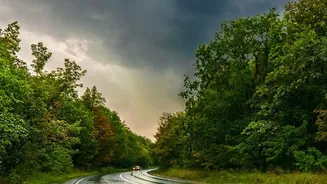
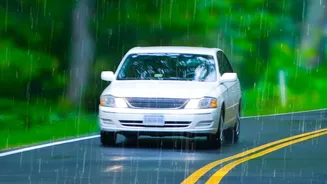
Getting a ride during a downpour can feel like a lottery of cancellations and surging prices. While these issues persist, there are signs of change aimed at improving rider experience. The core challenge for drivers is real; waterlogged roads pose a significant
risk to their vehicles, making them hesitant to accept rides in certain areas. This often leads to a frustrating cycle of bookings and last-minute cancellations for commuters. In response, regulatory bodies are stepping in. For instance, new aggregator rules being implemented in regions like Maharashtra aim to bring more accountability. These rules include penalties for drivers who cancel rides after acceptance, creating a stronger incentive to complete the trip. Furthermore, some policies mandate that if a vehicle breaks down mid-trip—a common monsoon hazard—the aggregator must arrange a replacement vehicle within a set timeframe. While not a perfect fix, this shift towards greater reliability signals that platforms are being pushed to better manage the operational chaos of the rainy season, moving the focus from mere availability to assured service.
Delivering Dry in a Downpour
The demand for food and grocery delivery skyrockets when people are stuck indoors due to rain. To meet this surge, companies like Zomato, Swiggy, and Zepto are rolling out comprehensive monsoon strategies. This directly addresses the “covered pick-up” concept, focusing on protecting both the delivery partner and the package. Companies are equipping their fleet with weather-proof raincoats, some with reflective strips for safety, and waterproof bags to ensure your order arrives dry. To keep partners on the road during challenging conditions, platforms offer special incentives, often called a 'rain fee' or surge pay. Zomato has even installed hundreds of rain shelters for delivery partners and real-time weather stations to help them avoid the worst of the weather. For the consumer, this increased reliability comes at a small cost. Many platforms now apply a nominal surge fee during heavy rain, a charge that often extends to premium subscription members as well. This fee is framed as a way to better compensate delivery partners for braving the elements, ensuring the network remains active when you need it most.
The Rise of Flexible Check-Ins
Monsoon travel is notoriously unpredictable. A two-hour journey can easily stretch into four, making it impossible to meet a rigid hotel check-in time. The hospitality industry is responding to this reality with a move towards much-needed flexibility. The traditional model of a fixed 2 PM check-in is slowly giving way to more adaptable options that cater to the stranded or delayed traveller. The most significant innovation is the growing availability of hourly or day-use hotels. Platforms like MiStay, Qwiksta, and Bag2Bag specialise in these short, flexible stays, allowing you to book a room for just a few hours to rest, freshen up, and wait out the storm without paying for a full 24-hour period. This trend isn't just limited to new apps; major travel portals like Yatra are also promoting 'Flexi-stay' hotels that allow check-ins at unconventional times. This is a game-changer for anyone navigating inter-city train or bus travel, turning a stressful delay into a comfortable pause.
How to Make It Work for You
Knowing about these evolving services can make your life significantly easier during the monsoon. When booking a ride, be patient with potential delays and communicate clearly with your driver if you're in a badly affected area. While surge pricing can be frustrating, understanding that it helps maintain service availability can soften the blow. For deliveries, ordering before the rain intensifies can sometimes help you avoid the highest surge fees. If you do order during a downpour, a little extra patience—and perhaps a better tip—for the delivery person goes a long way. When it comes to travel, proactively seek out flexible accommodation. Search for 'hourly hotels' or 'day-use' options near your destination, especially railway stations or airports. Even if you've booked a traditional hotel, a quick phone call to inform them of a rain-related delay can often result in a more accommodating response. Being informed and communicative is your best strategy.