




Why Your Plants Love Bananas
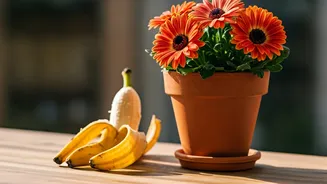
The magic of this homemade solution lies in the banana peel, a kitchen scrap we usually toss without a second thought. Banana peels are packed with essential nutrients that plants crave, most notably potassium. Potassium is a superstar nutrient in the plant world.
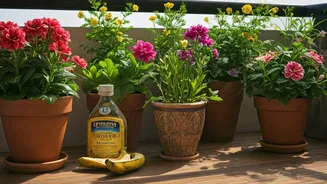
It plays a vital role in helping plants move water and nutrients between their cells, strengthening stems, fighting off diseases, and, most importantly for your balcony's beauty, encouraging bigger, brighter blooms. While your flowers also need nitrogen and phosphorus, a potassium boost is particularly beneficial for flowering and fruiting plants like petunias, roses, tomatoes, and bougainvillea. Using banana peels is a fantastic way to recycle kitchen waste and give your plants a natural, gentle feed without the risk of the chemical burn that can come from synthetic fertilizers.
First, Diagnose the Droop
It’s important to manage expectations. While this banana spray is an excellent nutrient booster, it’s not a cure-all. Plants droop for several reasons. The most common cause is watering—either too much or too little. Before you do anything else, stick your finger about an inch into the soil. If it’s bone dry, your plant is thirsty. If it’s soggy, the roots may be waterlogged. Drooping can also be caused by extreme heat, pest infestations, or disease. Our banana solution is most effective for plants that are drooping or looking lacklustre due to a nutrient deficiency. It will help a healthy but hungry plant perk up and produce more flowers. If your plant is suffering from a serious pest or watering issue, you’ll need to address that primary problem first.
The Simple Homemade Recipe
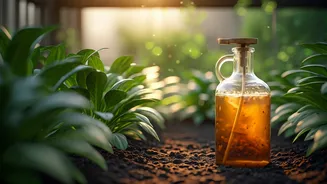
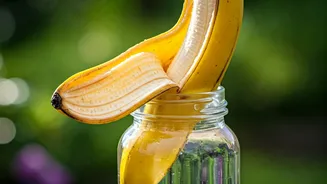
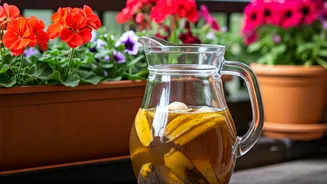
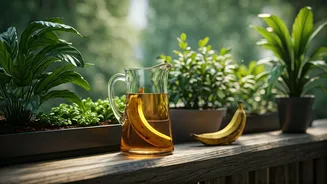
Making this 'banana tea' is incredibly simple and requires no special equipment. This recipe focuses on steeping, which creates a clean liquid that won’t clog your spray bottle. **What You’ll Need:** - Peels from 2-3 ripe bananas - A large glass jar with a lid (a 1-litre jar is perfect) - Water - A spray bottle or watering can **Instructions:** 1. Chop the banana peels into small, one-inch pieces. The smaller pieces provide more surface area, allowing more nutrients to leach into the water. 2. Place the chopped peels into your glass jar. 3. Fill the jar with water, leaving an inch or two of space at the top. Tap water is perfectly fine. 4. Seal the jar and place it in a cool, dark place for three to five days. You can give it a gentle shake once a day. 5. After a few days, the water will have turned a light brownish colour and may look a bit cloudy. This is a sign that the nutrients have been released. 6. Strain the liquid to remove the solid peel pieces. You can add these spent peels to your compost pile or bury them directly in your garden soil, away from the plant stems.
How to Use Your Banana Spray
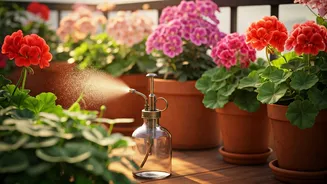
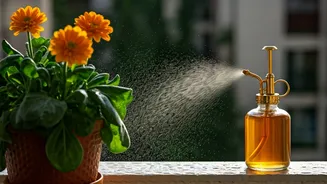
You now have a concentrated liquid fertilizer. For best results, dilute it before use. A good ratio is one part banana tea to five parts water. For example, if you have one cup of the banana liquid, mix it with five cups of plain water. There are two ways to apply it: 1. **Soil Drench (Recommended):** The most effective way for plants to absorb nutrients is through their roots. Use your diluted banana tea to water your plants as you normally would, pouring it directly onto the soil at the base of the plant until it starts to drain from the bottom. This method delivers the nutrients right where they are needed most. 2. **Foliar Spray (Use with Caution):** While the headline mentions a spray, foliar feeding (spraying the leaves) should be done carefully. Pour the diluted mixture into a clean spray bottle and lightly mist the leaves of your plants. The best time to do this is in the early morning. Avoid spraying in the harsh midday sun, which can burn the leaves, or in the evening, as leaves that stay wet overnight can be more susceptible to fungal diseases.
Frequency and Best Practices
This homemade fertilizer is gentle, but you can have too much of a good thing. Use this banana peel tea to water your balcony flowers once every two to four weeks during the growing season (spring and summer). In autumn and winter, when plant growth slows down, reduce feeding to once a month or stop altogether. Keep an eye on your plants. If you notice any small fruit flies gathering around, it’s a sign you might be overusing the spray or leaving residue on the pot. A clean application to the soil is usually pest-free. This simple, zero-cost trick can be the difference between tired-looking plants and a balcony bursting with colour.