








The Reality of the Skills Gap
The gap between what students learn in college and what industries need is one of the most significant challenges facing India's workforce. Multiple reports have consistently found that a large percentage of Indian graduates are not considered readily
employable. This isn't because they lack theoretical knowledge, but because the pace of technological and business change has outstripped traditional university curricula. Employers increasingly report a disconnect, where graduates with high marks struggle with real-world application, be it a finance graduate unable to build a complex financial model or a marketing student unfamiliar with setting up a digital ad campaign. This has led to a major shift in hiring, with a growing number of companies prioritising demonstrable skills over degrees alone.
Beyond the Textbook: Critical Soft Skills
While technical abilities are crucial, employers are increasingly vocal about the shortage of essential soft skills. These are the human-centric abilities that AI cannot easily replicate. Topping the list are skills like effective communication, critical thinking, problem-solving, and adaptability. In a hybrid, collaborative work environment, being able to clearly articulate ideas, work effectively in a team, and manage relationships is non-negotiable. Employers need people who can think on their feet, tackle unforeseen challenges, and take ownership of their tasks. These skills are often the deciding factor between a candidate who can simply follow instructions and one who can innovate and lead.
The New Non-Negotiable: Digital and Data Literacy
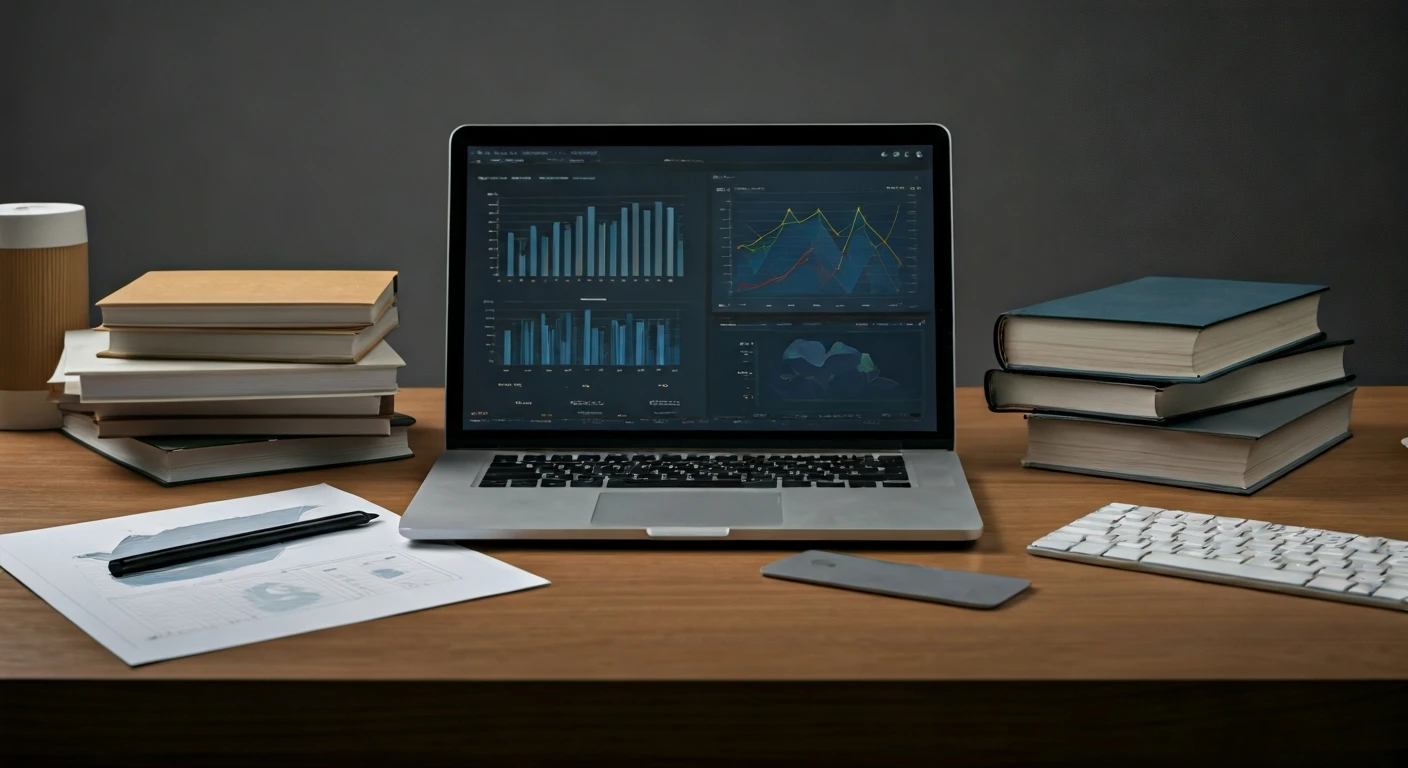
In 2026, a basic comfort with technology is no longer enough. Industries across the board, from finance to healthcare, are becoming data-driven. Graduates are expected to possess a certain level of digital and data literacy. This doesn't mean every graduate needs to be a data scientist, but having the ability to work with digital tools, understand data from dashboards, and use basic analytics is becoming a baseline expectation. Skills in AI, machine learning, data analytics, and cloud computing are in extremely high demand, often outpacing the supply of qualified talent. Even for non-tech roles, an understanding of how technology impacts the business is a significant advantage.
Proving Your Worth: The Power of Practical Experience
So how do you build these skills outside the classroom? The answer lies in gaining practical, hands-on experience. Internships, freelance projects, and personal portfolios are no longer optional extras but crucial components of a graduate's resume. These experiences prove to employers that you can apply your knowledge in a professional setting. Building a project, contributing to open-source software, or managing a small freelance digital marketing campaign can be more impressive than a perfect grade point average. It demonstrates initiative, a willingness to learn, and the ability to deliver tangible results—qualities that are highly valued in any workplace.
The Ultimate Skill: Adaptability and Continuous Learning
Perhaps the most critical skill in the modern economy is the ability to learn, unlearn, and relearn. With reports suggesting that a significant percentage of core skills will change in the coming years, adaptability is key to long-term career growth. Employers are looking for candidates who show curiosity and a proactive attitude toward upskilling. Your degree is a starting point, not a final destination. Embracing a mindset of continuous learning—through online courses, industry certifications, and workshops—shows that you are ready to evolve with the demands of the future of work.