




The Heart of the Proposal
A panel of 29 leading Indian medical experts has put forward a significant recommendation to tackle the country's rising rates of high blood pressure and heart disease. The core idea is to promote the widespread use of Low-Sodium Salt Substitutes (LSSS)
in Indian households. This consensus emerged from a conference organised by The George Institute for Global Health India and Resolve to Save Lives. The group is urging that these substitutes be integrated into national health strategies, including updating standards set by the Food Safety and Standards Authority of India (FSSAI) to formally recognise potassium-enriched salt as an 'edible salt' category.
Why Is This Happening Now?
The push comes in response to a serious public health issue. Current estimates show that Indians consume 8 to 11 grams of salt per day, which is nearly double the World Health Organization's (WHO) recommended limit of 5 grams. This excessive sodium intake is a primary driver of hypertension, or high blood pressure, which affects an estimated 35.5% of the population, or 315 million people. High blood pressure, in turn, is a leading cause of cardiovascular diseases like heart attacks and strokes, which account for a large percentage of deaths in India. With around 80% of sodium intake coming from salt added during cooking at home, experts believe targeting household salt is the most effective strategy for change.
What Exactly Are Salt Substitutes?
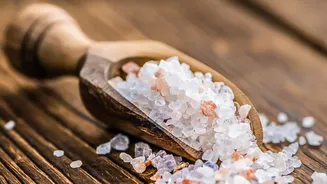
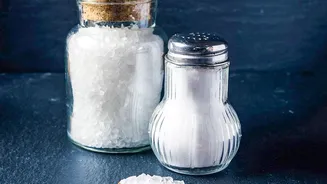
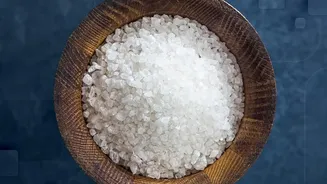
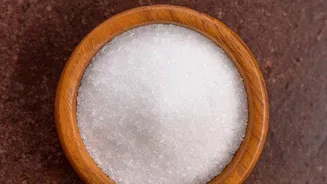
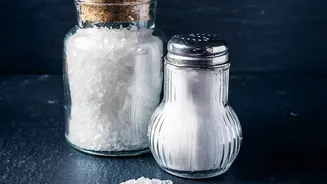
Low-sodium salt substitutes are not salt-free. They are specially formulated products where a portion of the sodium chloride (regular salt) is replaced with potassium chloride. Typically, these substitutes consist of about 70-75% sodium chloride and 25-30% potassium chloride. This formulation reduces the overall sodium content while increasing potassium intake. Potassium is a crucial mineral that helps counteract the effects of sodium and can help lower blood pressure. Importantly, these substitutes are designed to look, taste, and be used in cooking just like conventional salt, making the switch easier for consumers.
The Potential Health Benefits
The evidence supporting the benefits of LSSS is growing. A large-scale study in China involving nearly 21,000 people showed that using these substitutes led to a 14% reduction in strokes, a 13% reduction in major cardiovascular events, and a 12% decrease in overall mortality. A trial conducted in rural India also demonstrated a significant reduction in blood pressure among adults with hypertension who used potassium-enriched salt. A recent global study published in 'Nature Health' estimated that a nationwide switch to LSSS in India could prevent nearly 400,000 deaths and over 1.5 million new cases of cardiovascular and kidney disease annually.
Are There Any Risks Involved?
While LSSS are considered safe for the vast majority of the population, they are not recommended for everyone. The increased potassium can be harmful to individuals with certain health conditions, particularly advanced chronic kidney disease, as their bodies may not be able to regulate potassium levels effectively. People on specific medications, such as certain diuretics or ACE inhibitors, should also exercise caution. Experts stress the need for clear labelling and simple screening measures to guide consumers. However, they also note that the risks are often overstated compared to the significant population-level benefits, with estimates suggesting nearly 90% of people can safely make the switch.
What Comes Next?
The proposal is currently a strong recommendation from a body of experts. For it to become a reality, several steps are needed. The expert panel has called for policy integration, which means the FSSAI would need to update its regulations and LSSS would be included in national hypertension guidelines. They also recommend promoting its use in government-run food programs like mid-day meals and institutional kitchens to build familiarity and drive down costs. Public awareness campaigns will be crucial to educate people on the benefits and address any myths. Further research on its implementation in India is also recommended to ensure a smooth and effective rollout.