


The Tied-Strip Boho Shade
One of the easiest and most forgiving methods is to create a shaggy, bohemian-style shade. This technique requires no sewing or glue. Simply take an old lampshade frame, remove the original fabric, and clean the metal structure. Cut your fabric scraps
into long strips, roughly 1.5 to 2 inches wide. Then, tie the strips one by one around the bottom ring of the frame, letting the ends hang down. Alternate colours and textures to create a vibrant, eclectic look. You can also tie strips between the vertical supports of the frame for a fuller appearance. The beauty of this method is its randomness; the mix of lengths and fabrics adds to its charm.
Fabric Decoupage for a Smooth Finish
Decoupage is a classic craft technique that works wonderfully for lampshades, especially on smooth, plain shades. Using a product like Mod Podge, you can adhere fabric pieces to a paper or cardboard shade. Start by cutting your fabric scraps into desired shapes. You can use small squares for a patchwork effect or cut out specific motifs from a patterned fabric. Apply a thin layer of the decoupage medium to a section of the shade, place your fabric piece on top, and then paint another layer of medium over the fabric to seal it. For a textured, antique look, you can let the fabric crinkle slightly. This method is great for customising shades with intricate patterns that would be difficult to sew.
The Woven Wonder
For a more structured but equally stunning look, try weaving fabric strips onto a bare lampshade frame. This project is similar to creating a tied-strip shade, but with a neater, more uniform finish. First, secure a long strip of fabric or cord by tying it to one of the vertical supports on the frame. Then, begin weaving this horizontal piece over and under the vertical supports, working your way around the entire frame. As you finish one strip, simply tie on another and continue. This technique creates a beautiful, textured effect that adds depth and warmth to the light. Macrame cord can also be used for a sturdy, modern aesthetic.
The Classic Fabric Wrap
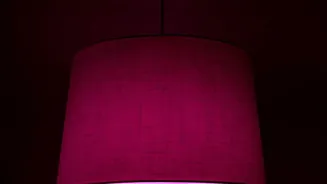
If you have a larger piece of scrap fabric, you can give a tired lampshade a completely new identity by re-covering it. This is best done with a simple drum-shaped shade. You will need to create a pattern of your shade by rolling it across a large piece of paper and tracing the top and bottom edges. Cut your fabric using this pattern, leaving extra material for the edges. Using a spray adhesive or fabric glue, carefully attach the fabric to the shade, smoothing out any bubbles as you go. Fold the excess fabric over the top and bottom rims and secure with hot glue for a clean, professional-looking edge. You can finish the look by adding decorative trim to the top and bottom.
A Note on Safety
When creating your own fabric lampshade, safety is paramount. The primary risk is fire from the heat generated by the bulb. The most important safety measure is to use LED bulbs, which produce significantly less heat than traditional incandescent bulbs and are much safer for use with fabric. Ensure there is adequate space between the bulb and the shade material. For an extra layer of protection, especially when using flammable natural fibres like cotton, consider using a fire-retardant liner like adhesive styrene or treating the fabric with a fire-retardant spray. Always test sprays on a small scrap first to ensure it doesn’t stain your fabric.