



Why Monsoon is a Gardener's Best Friend
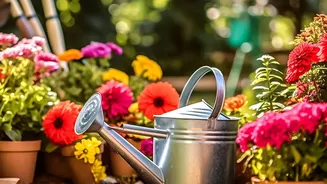
The rainy season provides a unique advantage for anyone with a balcony, terrace, or windowsill. The consistent moisture means you can often give your watering can a rest, while cooler temperatures reduce stress on plants. This environment encourages faster
seed germination, healthier leaf growth, and more vibrant flowering. High humidity is particularly beloved by many tropical plants, leading to visibly faster growth. Essentially, the monsoon creates a natural nursery, making it an ideal time for beginners and experienced gardeners alike to cultivate a thriving green space with less manual effort.
Setting Up for Success
Preparation is key to harnessing the monsoon's benefits. The primary challenge is preventing waterlogging, which can lead to root rot. Ensure every pot, container, or grow bag has adequate drainage holes at the bottom. Using a porous potting mix—a combination of garden soil, compost, and coco peat or sand—improves drainage and aeration. It's also wise to elevate pots slightly using bricks or plant stands to allow excess water to escape freely. Before the heavy rains begin, it's a good practice to clean your gardening space, remove weeds, and loosen the topsoil to improve water percolation.
Hardy Vegetables to Plant Now
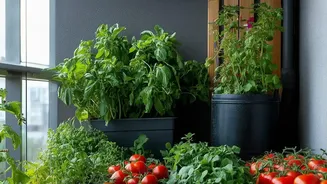
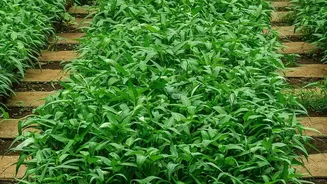
The monsoon is the perfect time to grow a variety of delicious vegetables. Gourds are a seasonal favorite, with varieties like bottle gourd (lauki), bitter gourd (karela), and ridge gourd (turai) producing abundantly in the humid weather. These climbers need a sturdy trellis for support to keep the fruit off the wet ground. Okra (bhindi) is another robust choice that thrives in the rainy season. Leafy greens such as spinach (palak), amaranth (chaulai), and fenugreek (methi) also grow quickly and can be harvested multiple times. For those looking for a bit of spice, green chillies are an excellent addition to a monsoon kitchen garden.
Fragrant Herbs and Flowers
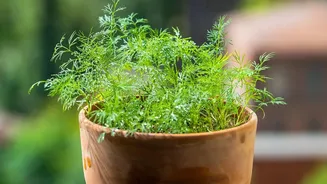
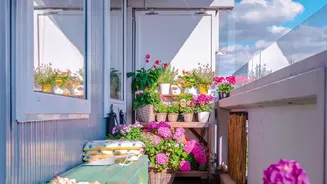
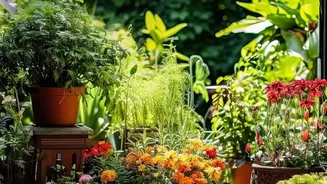
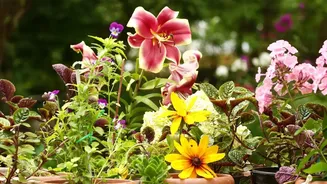
Beyond vegetables, the monsoon is ideal for cultivating aromatic herbs and colourful flowers. Herbs like tulsi (holy basil), mint, and coriander grow vigorously during this period. Mint, in particular, spreads rapidly and is best kept in its own container. Tulsi not only has medicinal value but also acts as a natural mosquito repellent. For a splash of colour, consider flowers that flourish in the rain. Hibiscus produces large, bright blooms, while marigolds are not only easy to grow but also help deter common garden pests. Other excellent choices include the fragrant jasmine, periwinkle (sadabahar), and the aptly named rain lily.
Avoiding Common Monsoon Pitfalls
While beneficial, the monsoon also presents challenges. The warm, wet conditions are a breeding ground for pests and fungal diseases. Regularly check your plants for signs of trouble, like spots on leaves or unwelcome insects. A simple solution of neem oil spray can help manage many common pests. Pruning is also essential; trimming away dead or damaged leaves and stems improves air circulation and reduces the risk of disease. Finally, even though it's raining, don't forget to nourish your plants. Heavy showers can wash away nutrients from the soil, so applying organic compost or vermicompost every few weeks ensures your plants remain healthy and productive.