



A Growing Appetite for New Flavours
For decades, dining out on 'foreign food' for many Indians meant Desi Chinese. While beloved, this has paved the way for a much broader culinary curiosity. Today’s diners, especially millennials and Gen Z, are more adventurous, having been exposed to
global cultures through travel and media. This has sparked a significant demand for authentic international flavours, moving far beyond the familiar. Pan-Asian cuisine, with its wide spectrum of tastes from the spicy and sour to the umami-rich and fragrant, offers a thrilling alternative to European or American food, which can sometimes feel less suited to the Indian palate. The 'strange familiarity' of robust Asian flavours, which often share a similar intensity to Indian cooking, makes cuisines from Japan, Vietnam, Thailand, and Korea an exciting yet accessible choice for many.
From Manchurian to Mochi and Beyond
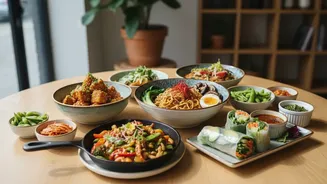
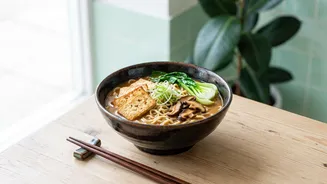
The evolution is clear on modern menus. The lone 'veg manchurian' has been joined by a sophisticated array of options. Restaurants are now serving everything from delicate vegetarian dim sum and sushi to hearty bowls of Japanese ramen and Vietnamese pho, all crafted without meat. Entirely vegetarian Pan-Asian restaurants are thriving, a testament to the depth of this trend. Concepts like Burma Burma have celebrated the vegetarian cuisine of Myanmar for years, while newer eateries are exploring everything from Asian-style street food to fine-dining tasting menus. This boom extends to desserts, with matcha lattes, mochi, and Japanese-style cheesecakes becoming popular, highly Instagrammable additions that prove the trend is about a complete and authentic dining experience.
Driven by Health and Innovation
The shift isn't just about flavour; it's also about wellness. A growing consciousness around health is fueling the demand for plant-based and vegetarian meals. Consumers are actively seeking out fresh, wholesome, and authentic dining options. This aligns perfectly with many Asian cuisines that are naturally rich in vegetables. Chefs are rising to the occasion, moving beyond predictable paneer and mushroom dishes to spotlight often-overlooked local vegetables in imaginative Asian preparations. Michelin-starred concepts are creating entire tasting menus from produce like turnips, bitter gourd, and jackfruit. This creative approach is redefining what vegetarian food can be, proving it can be sophisticated, innovative, and deeply satisfying without relying on imitation meats.
A Pan-India Culinary Movement
This is not just a big-city phenomenon. While metro areas like Mumbai, Bengaluru, and Delhi are hubs for this trend, the appetite for authentic vegetarian Asian food is growing across the country, including in Tier-II and Tier-III cities. The proliferation of Pan-Asian restaurants, which now number over 750 in India, shows the widespread appeal. This versatility is a key reason for its success. A single Pan-Asian menu can easily cater to a group with diverse preferences, offering something familiar for one diner and something new and adventurous for another. From casual cafes to fine-dining establishments, the integration of high-quality vegetarian Asian dishes reflects a fundamental shift in India's dining landscape.