






The Problem with Traditional Tests
For generations, the Indian education system has relied on a one-size-fits-all approach to testing. Whether it’s board exams or weekly unit tests, the format is largely static: every student gets the same questions, in the same order, with success measured
by a single percentage or grade. This model primarily tests memory and the ability to perform under pressure, rather than true understanding. It often fails to identify *why* a student is struggling—is it a foundational gap in a previous concept or a simple misunderstanding of the current topic? The feedback is slow, arriving days or weeks later, long after the moment for immediate correction has passed. This creates a cycle of anxiety and often encourages rote memorisation over deep, conceptual learning.
What Is a Personalized AI Tutor?
When we say 'AI tutor', don’t picture a robot walking around a classroom. Think of it as intelligent software, integrated into learning platforms used by companies like BYJU's, Vedantu, and others gaining traction in India. These systems use sophisticated algorithms to create a unique learning path for every student. The AI tracks a student's interactions—every question answered, every video watched, every concept they struggle with. It learns their pace, their strengths, and, most importantly, their weaknesses. This isn't just a digital textbook; it's a dynamic learning partner that adjusts its strategy based on the user's real-time performance.
How AI Changes the 'Test'
This is where the real revolution lies. With AI, testing is no longer a separate, stressful event. It's woven directly into the learning process. This is called adaptive testing. Here’s how it works: if a student answers a question correctly, the AI presents a slightly more challenging one to gauge the depth of their knowledge. If they get it wrong, the system doesn’t just mark it incorrect. It might offer a simpler, foundational question to diagnose the root of the confusion, provide a hint, or serve up a short video explaining the concept again. The 'test' becomes an ongoing, interactive conversation that diagnoses issues instantly and provides immediate support. The goal shifts from grading to guiding.
The Power of Instant Feedback
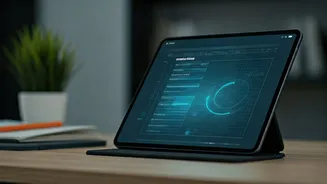
The word 'instantly' in the headline isn't just hype; it’s the core benefit. Traditional exams give a student a score of 75%. An AI-powered assessment tells them they scored 75% because they excel at algebra and geometry but consistently struggle with trigonometry, specifically with sine functions. This level of granular, immediate feedback is transformative. For students, it demystifies failure and provides a clear roadmap for improvement. For teachers, it’s like having a superpower—they receive a detailed dashboard of their entire class's progress, highlighting common misconceptions and students who need extra attention, allowing for targeted intervention instead of generic instruction.
The Challenges on the Ground
While the potential is enormous, the path forward is not without significant hurdles, especially in a country as diverse as India. The most glaring issue is the digital divide. Access to reliable internet and suitable devices is still a luxury for a vast portion of the student population. Furthermore, the quality of AI tutors can vary wildly, and a poorly designed system can reinforce biases or create new learning gaps. There are also critical questions about data privacy and how student performance data is stored, used, and protected. Finally, there's the risk of over-reliance on technology, potentially diminishing the crucial role of human teachers in providing mentorship, emotional support, and fostering creativity—qualities no algorithm can replicate.