

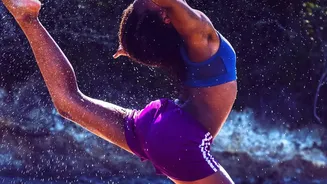

What Exactly Is a Freestyle Dance Workout?
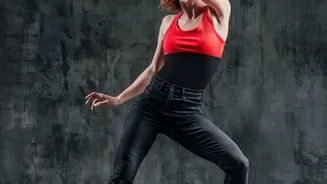
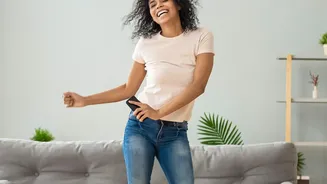
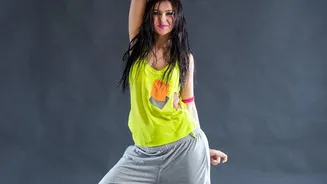
Freestyle dance is simply moving your body to music without any set choreography. Think of it as a personal dance party in your living room. Unlike structured classes like Zumba or hip-hop, there are no steps to learn or routines to memorise. The entire
point is to move in a way that feels good to you, reacting organically to the rhythm and beat. This 'show up as you are' approach removes the pressure of getting things 'right' and instead focuses on personal expression and enjoyment. It’s a form of dance improvisation where the only rule is to keep moving and have fun.
The Joy of Unstructured Movement
One of the biggest reasons people fall in love with freestyle dance is the sheer joy it brings. Without the mental load of following an instructor, your mind is free to connect with the music and your body. This can be incredibly therapeutic, acting as a form of 'moving meditation'. The focus shifts from performance to feeling, which can boost confidence and self-esteem. Studies and surveys show that expressive, unchoreographed dance helps improve mood and allows people to let go of stressful thoughts. It’s a chance to be playful, creative, and fully present in the moment, making your workout feel less like work and more like a celebration.
A Serious Workout in Disguise
While it may feel like pure fun, freestyle dancing is a legitimate cardiovascular workout. To count as cardio, an activity needs to elevate your heart rate and make your breathing harder, something dancing does very well. Because dance involves movement in all directions—accelerating, decelerating, and changing direction—it can burn a significant number of calories, sometimes more than 300 in a half-hour session. This constant starting and stopping challenges the body in ways that steady-state cardio, like jogging on a treadmill, does not. Regular dance sessions can strengthen your heart, improve stamina, and engage multiple muscle groups for a full-body workout.
More Than Just Physical Benefits
The benefits of dancing extend beyond your heart and muscles. The physical activity stimulates the production of endorphins, the brain's natural mood-lifters, which helps reduce stress and anxiety. The combination of music and movement is a powerful tool for emotional regulation. Furthermore, making up your own moves engages cognitive functions like creativity and coordination. Research has shown that dance can improve brain health, with some studies suggesting it can even help create new neural pathways as you connect movement to rhythm. This mind-body connection makes freestyle dance a holistic practice for overall well-being.
How to Start Your First Session
Getting started with freestyle dance is simple because there's no right or wrong way to do it. First, create a playlist with music that makes you want to move—pop hits, Latin beats, or '80s classics are all great options. Find a private space where you feel comfortable and won't be disturbed. Wear comfortable clothes and consider starting with a brief warm-up, like gentle stretching or jogging in place, to prepare your body and prevent injury. When the music starts, just move. Don't worry about how you look; focus on how the music makes you feel. Let your body react to the beat, whether that means swaying your hips, bouncing your shoulders, or just stepping side-to-side.
Making It a Consistent Habit
Like any form of exercise, consistency is key to reaping the long-term benefits. The best way to make freestyle dance a habit is to focus on the fun. Don't set rigid expectations for yourself. Some days you might dance for 30 minutes, and other days it might just be for one or two songs in your kitchen. The goal is to build a positive relationship with movement. If you feel self-conscious, avoid using a mirror at first and simply tune into your body. Over time, as you become more comfortable, you may even want to explore different music genres or take a structured dance class to expand your movement vocabulary. Remember that the primary goal is enjoyment; the fitness benefits will follow naturally.