





What is Biophilic Design?
At its heart, biophilic design is about reconnecting people with nature within the built environment. The term 'biophilia' literally means a 'love of life' and was popularised in the 1980s by biologist Edward O. Wilson, who argued that humans have an innate
tendency to seek connections with nature. In interior design, this translates to creating spaces that don't just look good, but also make us feel good by reducing stress and improving our well-being. It's not just about adding a few potted plants; it’s a holistic approach that uses natural light, materials, patterns, and even sounds to create a restorative sanctuary that counters the stresses of urban life.
Start with Greenery
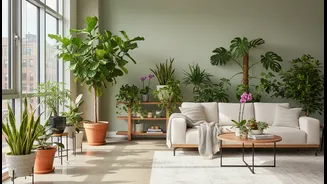
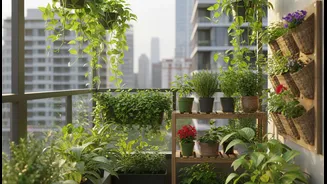
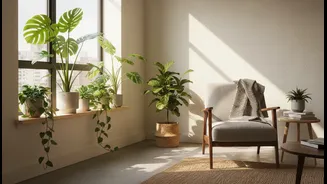
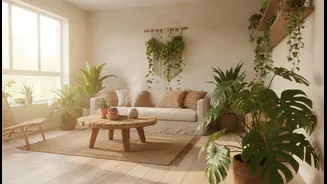
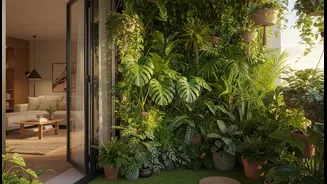
The most direct way to invite nature indoors is with plants. For compact Indian apartments, choose varieties that are hardy and don't demand much space or sunlight. The Money Plant, Snake Plant, and ZZ Plant are excellent choices as they are low-maintenance and known for their air-purifying qualities. The Peace Lily is another great option that thrives in low light and adds a touch of elegance with its white flowers. If floor space is a luxury, think vertically. Use hanging planters with cascading vines like Spider Plants, or install floating shelves and wall-mounted pots to create a living wall without taking up precious square footage.
Maximise Natural Light
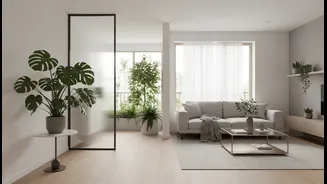
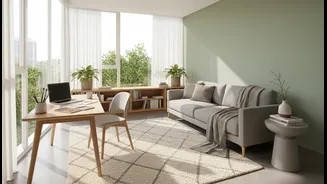
Natural light is a cornerstone of biophilic design and a powerful tool for making small spaces feel larger. Avoid heavy, dark curtains and opt for sheer or light-coloured fabrics like linen or cotton that allow daylight to filter through. A well-placed mirror can be a game-changer; by positioning a large mirror opposite a window, you can reflect light throughout the room, instantly making it feel brighter and more open. Painting your walls in light, neutral colours like white, beige, or soft grey also helps to bounce light around and create an illusion of spaciousness.
Embrace Natural Materials and Textures
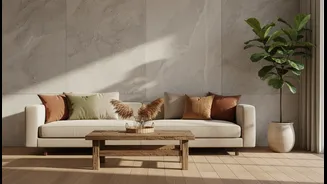
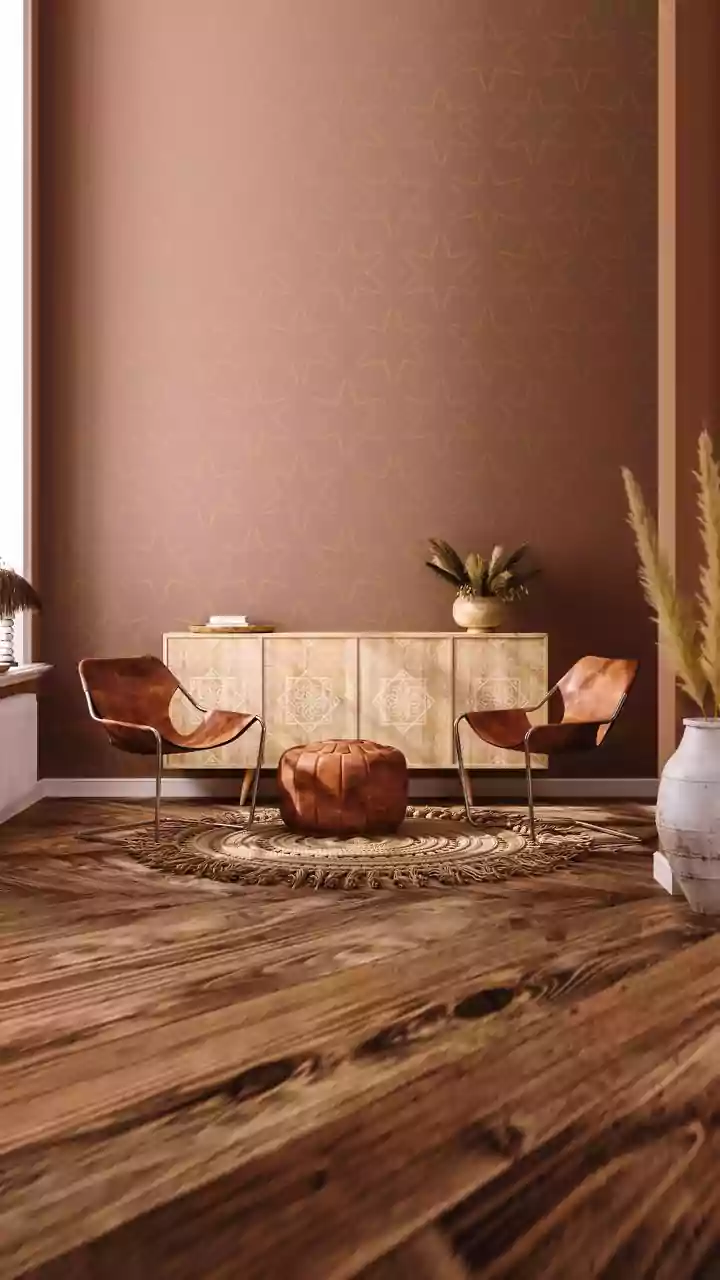
Beyond plants, focus on the feel of your space. Incorporating natural materials adds warmth, texture, and a tactile connection to nature. Think furniture made from woods like oak or teak, a jute or sisal rug underfoot, or a stone-topped coffee table. These elements don't have to be expensive. You can introduce natural textures through smaller decor items like clay pots, rattan trays, or linen and cotton cushion covers. The goal is to layer these different textures to create a space that feels rich, authentic, and grounding, moving away from flat, synthetic surfaces.
Incorporate Natural Shapes and Patterns
Nature rarely uses straight lines. Introducing organic shapes and patterns can soften the hard angles of a small apartment and create a more fluid, calming environment. Look for furniture with curved edges, like a round dining table or a sofa with soft contours. You can also bring in natural patterns through textiles and art. Think cushions with leaf prints, wallpaper with a subtle botanical motif, or artwork depicting natural landscapes. These elements mimic the complexity and order found in nature, which can have a deeply soothing effect on our minds.