



The Monsoon’s Hidden Health Challenge
The arrival of the monsoon is a relief for many, bringing cooler temperatures and nourishing rains. However, this season also ushers in a period of heightened health risks. The increased humidity, dampness, and potential for water contamination create
an ideal environment for bacteria, viruses, and fungi to thrive. This leads to a spike in water-borne and food-borne illnesses like typhoid, cholera, gastroenteritis, and general stomach infections. While we are often careful about drinking filtered water and avoiding street food, we sometimes overlook risks hiding in plain sight within our own healthy routines. One such area of concern for health experts during this season is the consumption of raw foods, particularly sprouts.
Why Raw Sprouts Become Risky
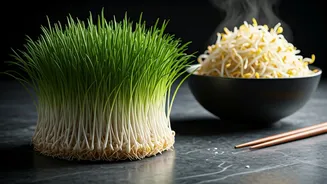
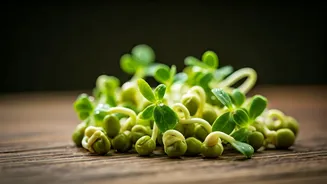
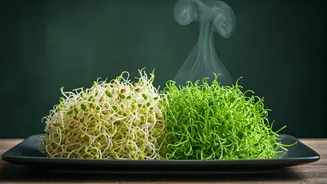
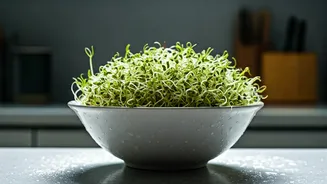
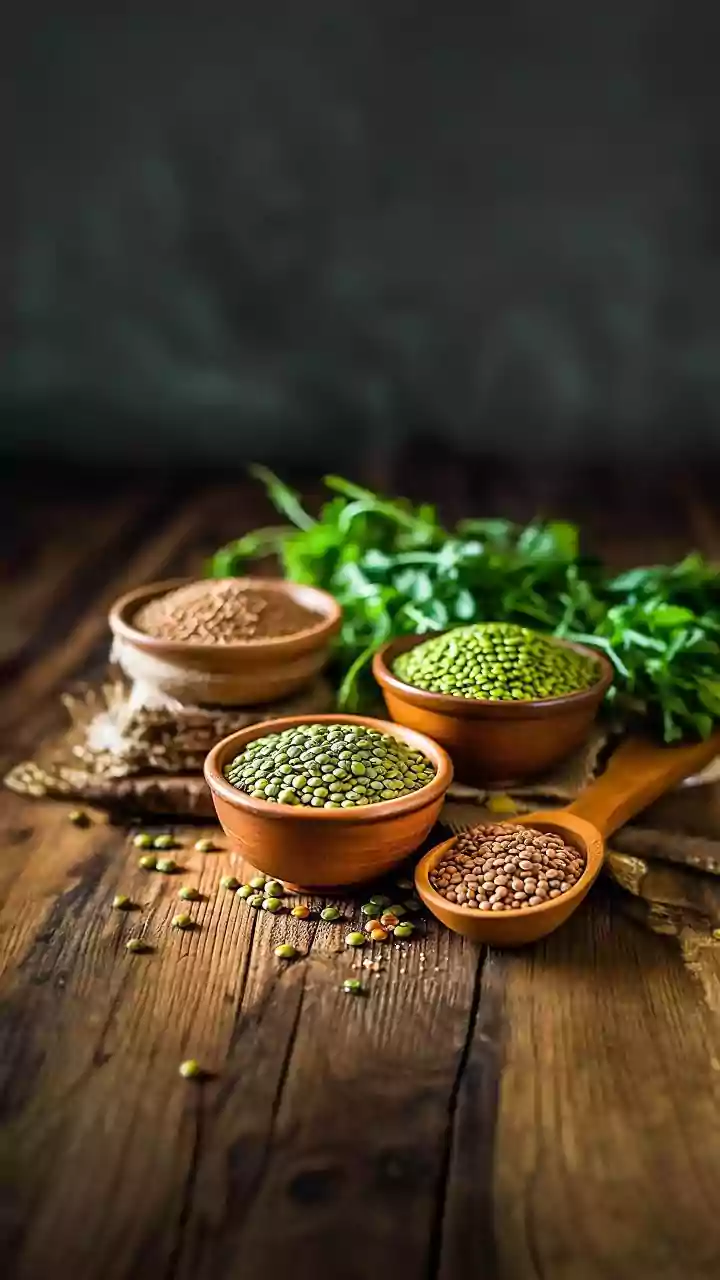
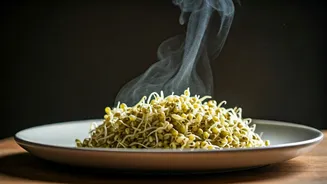
Sprouts, whether from moong, chickpeas, or alfalfa, are celebrated as a powerhouse of nutrition. They are rich in protein, fibre, vitamins, and enzymes. The very process that makes them sprout, however, is what makes them a potential hazard during the monsoon. Sprouting requires seeds to be soaked in water and kept in a warm, moist environment for several days—precisely the conditions that bacteria like E. coli, Salmonella, and Listeria love. During the rainy season, the ambient humidity is much higher, which can accelerate bacterial growth on the surface of the sprouts. Furthermore, the water used for soaking and rinsing the seeds might have a higher chance of being contaminated. Even if you use clean water at home, bacteria can be present on the seeds themselves, and the sprouting process provides the perfect incubator for them to multiply to dangerous levels. Consuming these raw can lead to unpleasant and sometimes severe food poisoning.
Cooking: Your Simple Safety Solution
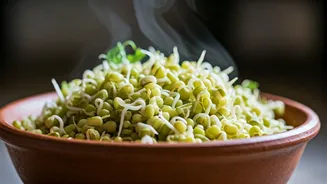
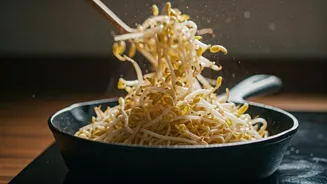
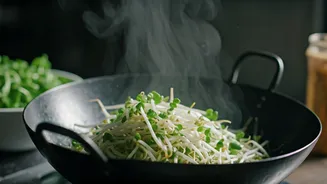
The recommendation from nutritionists and food safety experts is clear and simple: cook your sprouts before eating them. Heat is one of the most effective ways to eliminate harmful pathogens. A few minutes of cooking—whether through steaming, boiling, or stir-frying—is enough to kill off the bacteria that may have proliferated on the sprouts, rendering them safe for consumption. This small adjustment to your routine doesn't mean you have to give up on your favourite healthy food. It’s a pragmatic trade-off that allows you to continue enjoying the benefits of sprouts without exposing yourself to the seasonal risk of infection. Think of it as a temporary seasonal precaution, much like carrying an umbrella or wearing waterproof footwear. It’s a smart adaptation to the environmental conditions of the monsoon.
What About the Loss of Nutrients?
A common concern is that cooking will destroy the very nutrients that make sprouts so healthy. It's true that some delicate, heat-sensitive vitamins, particularly Vitamin C and certain B vitamins, may be slightly reduced during the cooking process. However, this loss is often minimal, especially with quick cooking methods like steaming or light sautéing. Moreover, cooking can have its own benefits. It helps break down complex carbohydrates and anti-nutrients like phytic acid, making the sprouts easier to digest and improving the body's ability to absorb other minerals like iron, calcium, and zinc. For many people, cooked sprouts are also gentler on the digestive system, preventing the bloating and gas that can sometimes accompany eating them raw. When you weigh the minor loss of some vitamins against the significant benefit of avoiding a nasty stomach bug, the choice becomes clear. The nutritional profile of cooked sprouts remains excellent.
Easy and Delicious Ways to Cook Sprouts
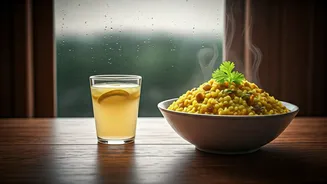
Switching to cooked sprouts doesn't have to be boring. In fact, it opens up a world of culinary possibilities. Instead of a raw salad, you can lightly steam the sprouts and toss them with chopped onions, tomatoes, chaat masala, and a squeeze of lemon for a warm, comforting snack. You can also stir-fry them with a bit of garlic, ginger, and your favourite spices for a quick and flavourful side dish. Adding sprouts to dishes like poha, upma, or vegetable curries towards the end of the cooking process is another great way to incorporate them into your meals. You can even blend boiled sprouts into a batter for cheelas or dosas, boosting their protein content. These methods not only ensure safety but also add variety and flavour to your diet, making your healthy eating journey more enjoyable during the monsoon.