

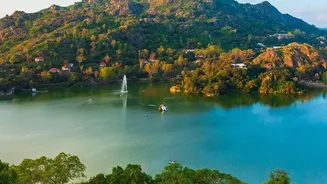
Naggar: History, Art, and Alpine Views
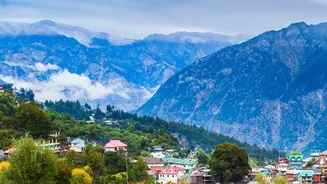
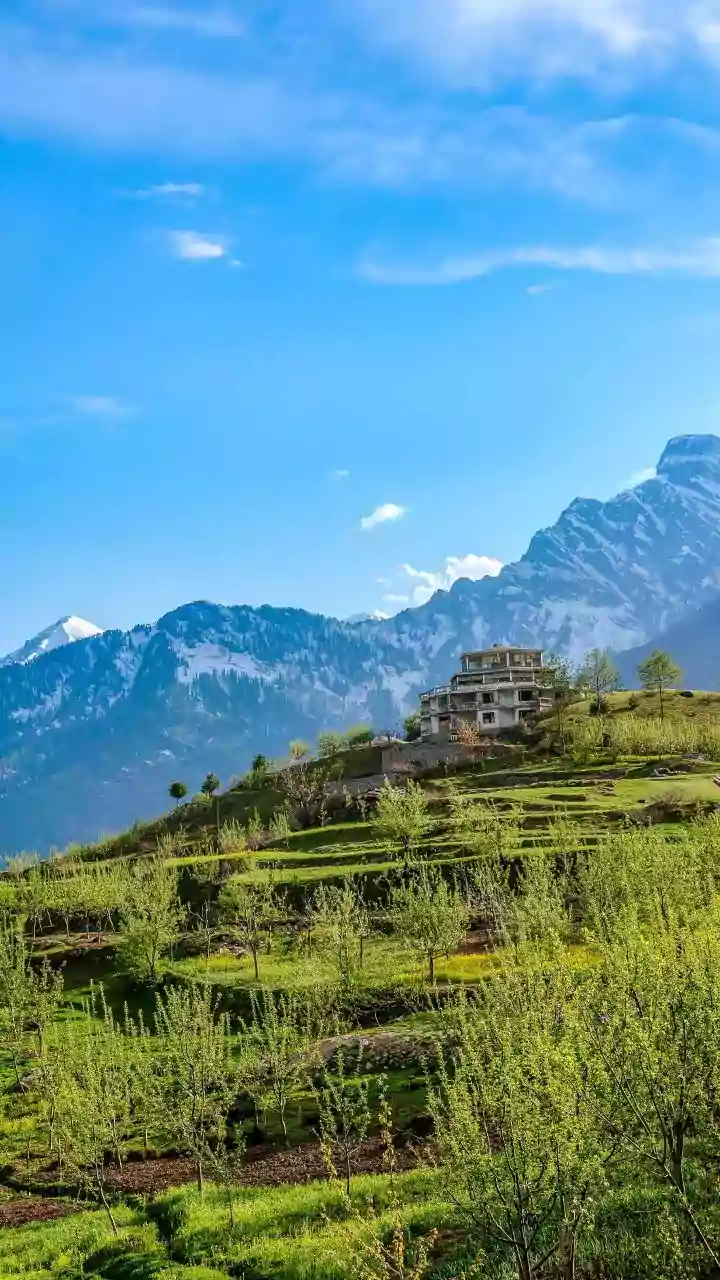
Nestled in the Kullu Valley, Naggar is a town steeped in history and creativity. Once the capital of the Kullu kingdom, its centerpiece is the ancient Naggar Castle, a beautiful example of traditional stone-and-wood architecture. The town also has a deep
connection to the arts, most famously through the Russian artist Nicholas Roerich, whose former home is now a well-known art gallery. This creative legacy gives Naggar a unique, contemplative vibe that attracts digital nomads, writers, and artists. For a workation, Naggar offers a balance between quiet village life and accessibility. It’s more developed than Jibhi, with a greater variety of cafes and guesthouses, but still far removed from the commercial rush of Manali. The landscape is a stunning mix of dense forests, apple orchards, and panoramic views of the Pir Panjal range.
Finding Budget Stays in Naggar
Naggar is well-suited for long-term stays, with many traditional homestays and guesthouses offering discounts for weekly or monthly bookings. You can find a range of options, from private rooms in a family home to entire cottages. For those seeking community, hostels like Pahadi Robinhood and GoStops are specifically designed for remote workers and long-term travellers, offering both dorms and private rooms. Costs can be quite reasonable, with hostel dorms starting around ₹600-1000 per night. Homestays often provide better value for longer durations, especially if you book directly with the host. Many properties are now equipped with fibre internet, but it's crucial to confirm the type of connection and power backup situation before booking.
Jibhi: A Riverside Escape in Tirthan Valley
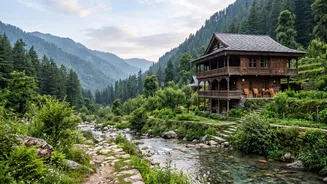
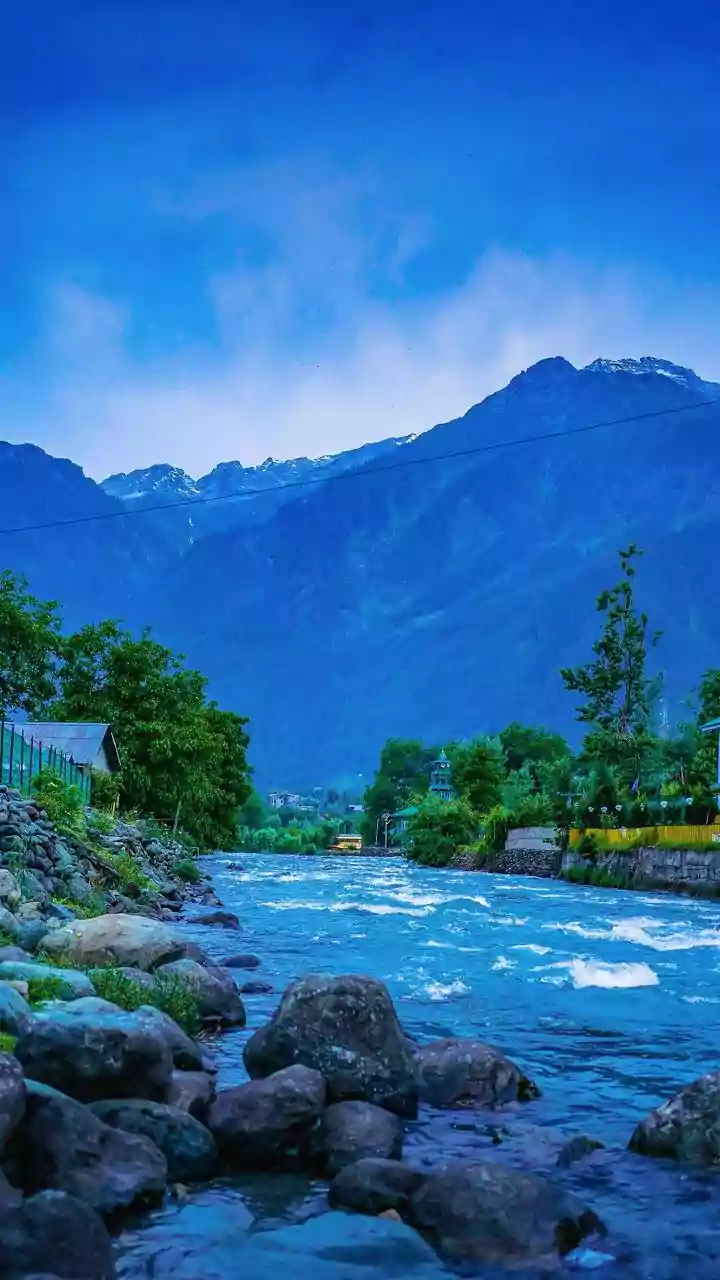
If your ideal workspace involves the sound of a flowing river and the feeling of being tucked away from the world, Jibhi is your destination. Located in the serene Tirthan Valley, Jibhi is less of a town and more of a riverside hamlet. Its appeal lies in its raw, unspoiled nature. The area is the gateway to the Great Himalayan National Park, a UNESCO World Heritage Site, offering countless trails through pristine forests. The lifestyle here is defined by the local concept of 'ailyak'—an unhurried, mindful way of living that perfectly complements deep work and creative thinking. Accommodation is primarily charming, wooden homestays and small guesthouses, many built in the traditional Himachali style that blends seamlessly into the landscape.
Connectivity and Stays in Jibhi
Until a few years ago, a workation in Jibhi was a risky bet due to poor connectivity. However, the situation has improved dramatically. Many homestays and cafes now offer dedicated fibre internet connections with reliable speeds suitable for video calls and cloud-based work. However, it's essential to verify this, as some cheaper stays might still rely on less stable mobile hotspots. Always ask about power backup, as electricity cuts can be common, especially during monsoons. Budget stays in Jibhi are plentiful, with homestays and hostels offering rooms for as low as ₹800-₹2500 per night. Brands like Madpackers and Zostel have properties here, alongside numerous family-run guesthouses that provide an authentic local experience.
Naggar vs. Jibhi: Which Should You Choose?
Your choice between Naggar and Jibhi depends on your personality and work style. Choose Naggar if you appreciate history, art, and having a few more cafes and amenities at your disposal. It's slightly easier to access and offers a more settled, town-like feel while retaining its mountain charm. Choose Jibhi if you crave deeper immersion in nature and a more offbeat, rustic experience. It is ideal for those who want to disconnect from distractions and find focus in a quieter environment defined by rivers and forests. Naggar offers a creative community vibe, while Jibhi offers serene solitude. Both offer a significant quality-of-life upgrade from a city apartment, but the flavour of that life is distinctly different.
Essential Tips for Your Himachal Workation
To ensure a smooth experience, keep a few things in mind. The best times to visit either location for work are generally from March to June and September to November, avoiding the heavy monsoon rains and extreme winter cold. While Wi-Fi has improved, always have a mobile data backup; Airtel and Jio generally work best in these regions. For Jibhi, remember that the nearest ATM is in Banjar, about 10 km away, so it's wise to carry sufficient cash. Finally, embrace the slower pace. A workation in the Himalayas isn't just about changing your background on a video call; it's about resetting your rhythm and finding a healthier balance between work and life.