


Understanding the Enemy: What Is Root Rot?
Root rot is exactly what it sounds like: the decay of a plant's root system. This happens when roots are deprived of oxygen because the soil is saturated with water. Without air, roots suffocate and begin to die, creating an opportunity for fungi and bacteria
in the soil to attack. This condition is most common in pots without adequate drainage holes and in heavy, compacted garden soil that doesn't allow excess water to escape.
Spotting the Warning Signs Above Ground
Often, the first clues of root rot appear on the leaves and stems. Look for widespread yellowing or wilting leaves, even when the soil is wet. This happens because the damaged roots can no longer absorb water and nutrients effectively. You might also notice stunted growth, where the plant just doesn't seem to be thriving. In some cases, a foul or musty odour might come from the soil, which is a strong indicator of decay happening below the surface.
The Definitive Check: Inspecting the Roots
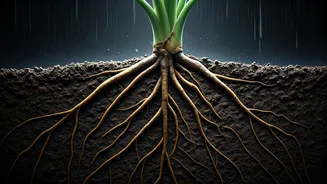
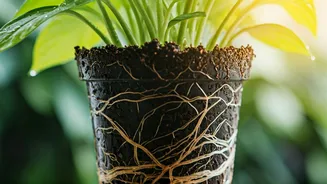
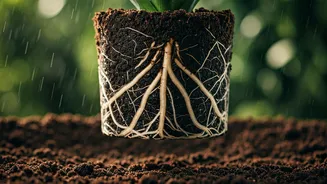
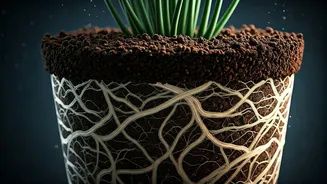
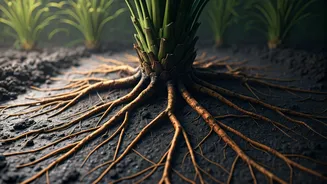
To be certain, you'll need to gently remove the plant from its pot or dig around its base. Healthy roots are typically firm and white or light-coloured. In contrast, rotting roots will be brown or black, feel soft and mushy to the touch, and may even fall apart easily. The outer layer of the root might pull away, leaving the stringy inner core behind. This is the undeniable sign of root rot.
Prevention Is Better Than Cure: Improve Drainage
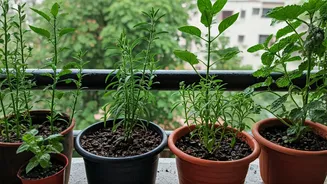
The single most important step to prevent root rot is ensuring excellent drainage. For potted plants, always use containers with multiple drainage holes. Elevating pots on bricks or 'pot feet' prevents these holes from getting blocked and allows water to flow out freely. For garden beds, especially those with heavy clay soil, improve the structure by mixing in organic matter like compost or well-rotted manure. This creates air pockets and helps excess water drain away. Creating raised beds is another excellent strategy to keep plant roots above waterlogged ground.
Smart Practices During Heavy Showers
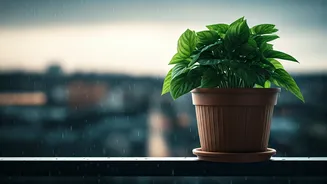
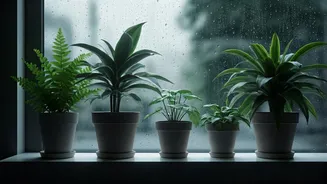
During the monsoon, stop all manual watering. If possible, move sensitive potted plants under a roof or porch during prolonged downpours. After a heavy rain, gently loosen the top layer of compacted soil with a small trowel to improve aeration. It’s also wise to remove saucers from under pots so they don't sit in a pool of collected water. Avoid adding fertiliser during this time, as waterlogged roots can't absorb it and it can cause further stress.
Emergency Rescue: How to Treat Root Rot
If you've confirmed root rot, you must act fast. Carefully take the plant out of its pot and wash away all the soil to get a clear look at the roots. Using a clean, sterilised pair of scissors or shears, trim off all the black, mushy roots, cutting back into the healthy, white tissue. If a significant portion of the roots were removed, prune back about one-third of the plant's leaves. This reduces the stress on the remaining roots, which now have fewer leaves to support. Finally, repot the plant in fresh, well-draining potting mix in a clean pot. Do not reuse the old, contaminated soil.