







You’re not just imagining it: that biryani or curry really does lose its magic on a train or at 30,000 feet. But it's not always the kitchen's fault. Your own body, and the environment around it, are quietly working against your taste buds.
Taste Is Mostly Smell
Before we can
understand why travel food seems so dull, it’s crucial to remember a simple fact: most of what we perceive as flavour is actually aroma. Our taste buds are relatively simple, detecting five basic tastes: sweet, salty, sour, bitter, and umami (savoury). The rich, complex experience we call 'flavour' — the difference between a strawberry and a raspberry, for example — comes from our sense of smell. When your ability to smell is compromised, like when you have a cold, food seems bland. A similar, though more subtle, process happens when you travel.
What is Olfactory Fatigue?
Olfactory fatigue, also known as nose blindness or odour adaptation, is the temporary inability to distinguish a particular smell after being exposed to it for a while. Your brain is designed to notice new stimuli in the environment as a survival mechanism. When you first enter a bakery, the smell of fresh bread is overpowering. But after a few minutes, you barely notice it. Your brain has decided the smell is constant and not a threat, so it begins to filter it out to save energy and stay alert for new scents. This isn't a permanent loss of smell; it's a temporary desensitisation of your olfactory receptors.
The Cabin and Carriage Environment
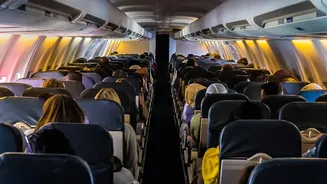
Airplane cabins and, to a lesser extent, air-conditioned train carriages are unique sensory environments that accelerate olfactory fatigue and dull taste in other ways. In an airplane, the combination of low pressure and extremely low humidity is the main culprit. At cruising altitude, cabin humidity can drop below 12%, which is drier than many deserts. This dry air dries out the mucous membranes in your nose, making your smell receptors less effective. The low pressure has also been shown to reduce our sensitivity to sweet and salty tastes by as much as 30%. Add to this the constant, loud drone of the engines—around 85 decibels—which studies have shown further suppresses our perception of sweetness while, oddly, enhancing our ability to taste umami. While train travel isn't as extreme, the sealed, air-recirculated environment, constant motion, and background noise also contribute to a general dulling of the senses over time.
How Caterers Fight Back With Flavour
Airlines and their caterers are well aware of these challenges and design their menus specifically for the in-flight environment. A dish that tastes perfectly seasoned on the ground will be bland at altitude. To compensate, chefs intentionally add more salt, spices, and acidic ingredients. They also lean heavily on ingredients that are naturally rich in umami, the one taste that isn't diminished and may even be enhanced by cabin noise. This is why you see so many tomato-based sauces, mushroom gravies, and parmesan-topped dishes on airline menus. Tomato juice, a famously popular drink in the air but less so on the ground, is a perfect example of our bodies craving the savoury umami flavour that cuts through the sensory fog.
Making Your Meal Taste Better
While you can't change the cabin pressure, you can take small steps to improve your dining experience. The most important is to stay hydrated. Sipping water throughout the journey helps keep your nasal passages and mouth from drying out, which can modestly improve your sense of smell and taste. When it's time to order, choose a dish with bold, spicy, or savoury flavours over something delicate and sweet. A flavourful curry or a pasta with a rich tomato sauce will always fare better than a simple sandwich. Understanding the science at play can not only explain a disappointing meal but also help you choose a more satisfying one next time you travel.