


The Classic White Base: Rice Flour
The foundation of any great rangoli is its outline, and rice flour is the perfect traditional and eco-friendly choice. Unlike chemical powders, rice flour is completely biodegradable. In fact, traditionally, it was used with the intention of feeding ants
and small birds, symbolizing harmony with nature. For a classic, crisp white, you can use store-bought rice flour. For a slightly more granular texture that can be easier to handle, you can grind rice at home. This white base allows any colours you add to truly pop, creating a stunning contrast on your floor. You can draw your design directly with the flour or use it to create a clean, white canvas before adding other elements.
Vibrant Hues from Marigold Petals
Marigold flowers are synonymous with festive decorations in India for a reason. Their brilliant shades of yellow and orange add instant vibrancy. Instead of buying synthetic colours, use fresh marigold petals to fill in your designs. They provide a wonderful texture and a natural fragrance. For best results, first draw your outline with rice flour to create a boundary, then fill the sections with densely packed petals. This keeps the design looking neat and vibrant. You can use the petals whole or separate them for finer details. Floating marigold petals in a bowl of water at the centre of your rangoli can also create a beautiful focal point.
DIY Pigments from Your Kitchen
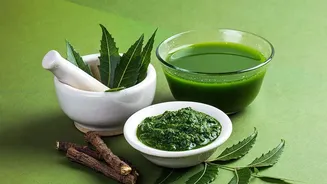
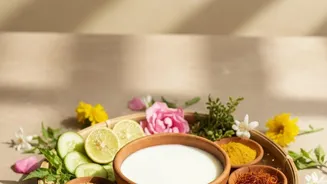
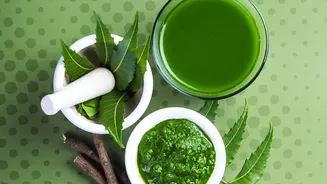
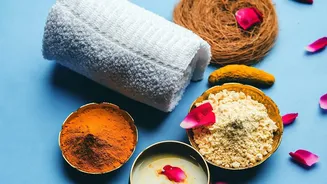
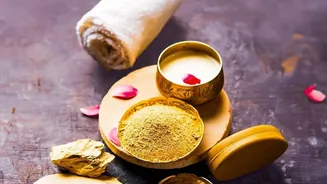
Your kitchen pantry is a treasure trove of natural pigments. You can create a whole palette of colours without any harmful chemicals. For a bright yellow, nothing beats turmeric powder. For a deep red or pink, use beetroot powder or kumkum. To make your own coloured powder, mix these natural ingredients into rice flour or salt. For a natural green, you can use dried and powdered spinach or neem leaves. Cinnamon powder provides a lovely earthy brown. To prepare, simply mix your chosen pigment with rice flour until you achieve the desired shade. For a more intense colour, you can create a paste with a little water, spread it to dry in the sun for a couple of days, and then grind it into a fine powder.
Adding Texture with Grains and Pulses
For a rangoli with more depth and texture, look no further than grains and pulses. These are fantastic, biodegradable materials that come in a surprising variety of natural colours. Red kidney beans (rajma), green mung beans, yellow lentils (moong dal), and black lentils (urad dal) can be used to fill in larger sections of a design. Not only do they add a unique, rustic charm, but they also create a three-dimensional effect that is visually interesting. Using different grains for different parts of a pattern can produce a mosaic-like appearance. This is also a wonderful way to get children involved, as handling grains is easier for small hands than managing fine powders.
Design Tips for Natural Rangoli
Working with natural materials can be slightly different from using synthetic powders. Circular and floral patterns are often great choices as they are forgiving and highlight the organic nature of the ingredients. Using stencils can be a great help, especially for beginners, ensuring a clean and professional-looking design. A simple but effective design is to create a large circle of marigold petals with a clay diya placed in the middle. To make your natural powders stay in place, you can lightly sprinkle the surface with water before creating your design. Don't be afraid to mix materials; a combination of flower petals, coloured rice flour, and whole grains can create a truly unique and stunning piece of festive art.