



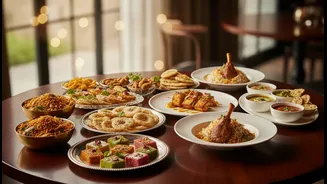


From Packets to Plates: A Strategic Shift
The journey of an Indian snack brand overseas traditionally ended on a supermarket shelf. But a significant strategic evolution is underway. Legacy companies, built on the trust of packaged sweets and savouries, are now investing in high-end, quick-service
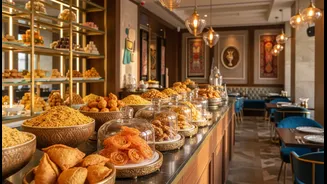
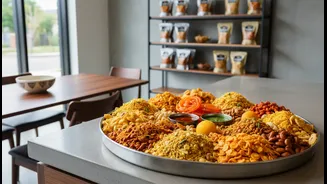
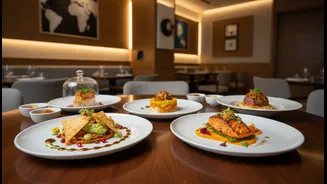
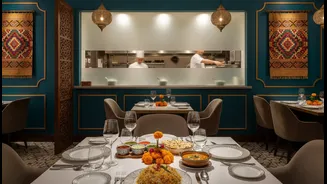
and casual dining restaurants in major international cities. This isn't just about expansion; it's a fundamental change in business models. Instead of merely exporting a product, they are now exporting a complete culinary experience. Recent openings confirm this trend, with Haldiram's launching a 120-seat restaurant in London's Leicester Square in June 2026 and expanding its presence in Dubai. Similarly, Bikanervala has established outposts across the UAE, USA, UK, and New Zealand, moving from retail to restaurant reality.
The Recipe for Global Growth
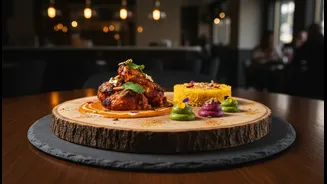
So, why would a successful snack company dive into the notoriously tough restaurant business abroad? The strategy is multi-layered. First, it's about brand control and creating an immersive experience. A restaurant allows a brand to present its food in a perfectly controlled, high-quality environment, from the sizzle of the dosa to the final presentation. It builds a deeper connection with customers, turning brand loyalty into a tangible destination. Second, the profit margins on freshly prepared food are significantly higher than on packaged goods. Finally, it creates a powerful flagship presence. A premium restaurant in a city like London or Dubai acts as a massive advertisement, elevating the perception of their retail products and creating a 'halo effect' that benefits the entire business. This ambition was highlighted by Haldiram's leadership, who stated the goal is to sell an experience, not just food.
Serving an Authentic, Diverse India
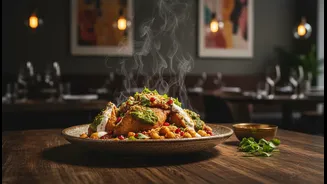
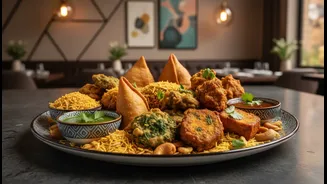
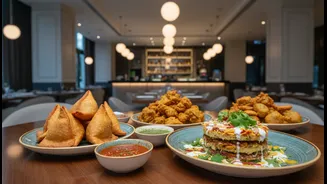
These new dining concepts are also playing a crucial cultural role. For years, the global understanding of Indian food was often limited to a few generic 'curry house' staples. Brands like Haldiram's and Bikanervala are shattering that stereotype by showcasing the vast diversity of Indian cuisine. Their menus are a celebration of regional specialties, offering everything from North Indian chole bhature and Delhi-style chaat to Mumbai's pao bhaji and South Indian delicacies. They are educating a global audience, demonstrating that Indian food is not a single entity but a rich tapestry of regional flavours and traditions. This move caters not only to the Indian diaspora craving an authentic taste of home but also to an increasingly curious global diner eager to explore genuine, specific cuisines. The long queues at the recent London opening of Haldiram's, dominated by excited NRIs, prove the powerful pull of nostalgia and authenticity.
Challenges on the Global Table
The path to global dining dominance is not without its obstacles. Setting up restaurants in foreign markets involves navigating complex local regulations, high operational costs, and intense competition. Building a reliable supply chain to ensure authentic ingredients and consistent taste across continents is another significant hurdle. However, these legacy brands have a distinct advantage. Many, like Haldiram's, already had international manufacturing and distribution networks for their packaged goods, which can be leveraged to support their new restaurant ventures. Bikanervala's long-standing international presence in multiple countries also provides a ready-made playbook for expansion. While the investment is substantial and the risks are real, the strategy is clear: these brands are playing a long game, establishing a global footprint that will define the next generation of their growth.