





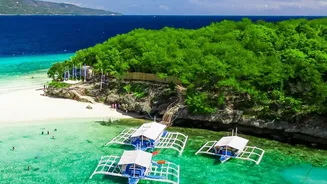
The Philippines boasts world-class beaches, but its most famous destinations are often overrun. Here's how to sidestep the crowds and discover the archipelago's equally stunning, but quieter, treasures.
The Boracay Dilemma
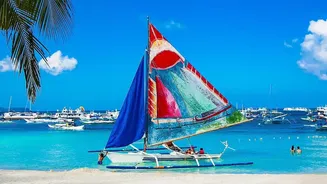
Boracay's White Beach is legendary for its powdery
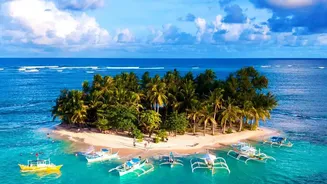
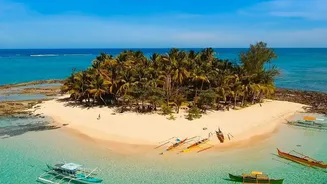
sand and electric sunsets. However, its fame has also brought significant commercialization and crowds, especially along the main beach stations. While rehabilitation efforts have helped, finding a peaceful spot during peak season can be a challenge. The main draw is the vibrant nightlife and endless dining options, but this can detract from the serene tropical paradise many travellers seek. One way to manage this is by visiting during the day when many tourists avoid the sun, as beaches can be surprisingly empty between 10 AM and 4 PM. For a different vibe, consider Anda in Bohol. A three-hour ride from the main city of Tagbilaran, Anda offers miles of fine white sand, enchanting cave pools, and a rich marine life without the crowds. Alternatively, Camiguin, the 'Island Born of Fire', provides a mix of pristine sandbars like White Island, volcanic landscapes, and an un-touristed, friendly atmosphere. It's an option that offers stunning nature without the overwhelming party scene.
Beyond El Nido's Famous Lagoons
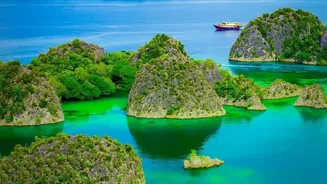
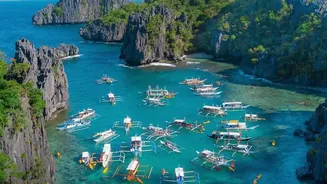
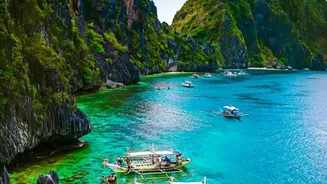
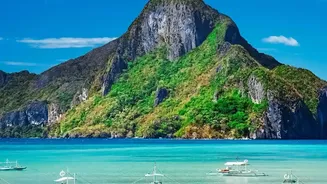
El Nido, Palawan, is the definition of dramatic tropical beauty, with its towering limestone karsts and iconic lagoons. But its popularity means the standard island-hopping tours (Tours A, B, C, and D) are often packed, with boats queuing up for the best spots. This can lead to a less-than-magical experience at world-famous sites like the Big and Small Lagoons. Instead of joining the main flotilla, consider booking a private tour to visit less-common spots or travel on a reverse schedule. An even better alternative is to head south to Port Barton. This quieter beach town offers a more laid-back atmosphere with excellent, less-crowded island hopping and better snorkelling opportunities. While it lacks El Nido's dramatic cliffs, it makes up for it with a more authentic village feel, healthier coral reefs, and the chance to swim with wild sea turtles.
Siargao's Surfing Scene
Known as the 'Surfing Capital of the Philippines', Siargao has exploded in popularity. The main hub of General Luna is now a bustling town with a lively social scene, packed with cafes, bars, and tourists. While the surf at Cloud 9 is world-class, the island's other attractions like Magpupungko Rock Pools and the popular island-hopping trio of Naked, Daku, and Guyam islands can also feel overrun. For a quieter but still beautiful island experience, consider Romblon. This group of islands is known for its marble industry but also boasts incredible, uncrowded beaches, sandbars, and pristine dive sites. It provides a glimpse of the Philippines before the major tourism boom. Another option is the Caramoan Peninsula, which gained some fame from the TV show 'Survivor' but remains largely untouristed, offering a more rugged and authentic island adventure.
Rethinking Whale Shark Encounters
Swimming with whale sharks is a bucket-list activity, and Oslob in Cebu is widely known for guaranteeing sightings. However, this guarantee comes at a cost. The practice of feeding the sharks to keep them in the area yearround has raised significant ethical concerns among marine scientists, as it alters their natural migratory and feeding behaviours. For a more responsible and ethical encounter, head to Donsol in the Bicol region. Recognized for its communitybased ecotourism project, Donsol allows you to see these gentle giants in their natural habitat during their migration season (typically November to June), with no feeding involved. Another excellent ethical alternative is Sogod Bay in Southern Leyte, where encounters are also completely wild and regulations are strictly enforced to protect the animals.
General Tips for a Better Trip
Beyond choosing alternative destinations, a few simple strategies can help you avoid the crowds and have a more sustainable journey. Travelling during the shoulder seasons—typically MayJune and OctoberNovember—can mean fewer tourists and lower prices. When visiting popular areas, hire local guides who can lead you to lesserknown spots. Opting for homestays or locallyowned guesthouses not only provides a more authentic experience but also ensures your money directly supports the local community. Finally, don't be afraid to venture to regions that require a little more travel time, like the islands of Romblon, the province of Aurora, or the Camotes Islands. The extra effort is almost always rewarded with pristine nature and a more genuine connection to the Philippines.