


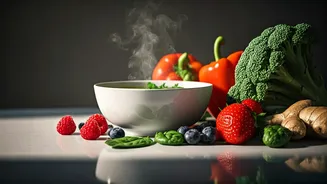


The Monsoon Health Challenge
The rainy season is a time of renewal, but it’s also when our bodies become more susceptible to infections. The increased humidity and moisture in the environment create a perfect breeding ground for bacteria, viruses, and fungi. This leads to a higher
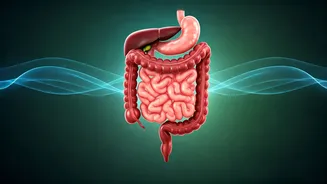
risk of water-borne and food-borne illnesses like typhoid, cholera, and gastroenteritis. Furthermore, many people experience a dip in their digestive capabilities during this season. Traditional wisdom, including Ayurveda, often refers to a weakened 'digestive fire' or 'Agni' during the monsoon, making it harder for the body to break down and absorb nutrients from heavy or raw foods. This combination of heightened pathogen risk and compromised digestion means we need to be extra careful about what we eat.
Why Raw Vegetables Pose a Risk
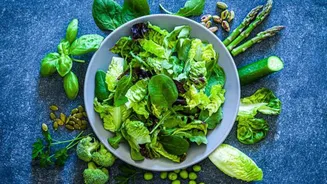
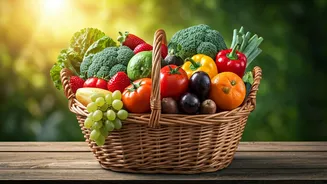
While salads and raw vegetable juices are fantastic for health in other seasons, they become a risky choice during the monsoon. Leafy greens like spinach, lettuce, and cabbage, as well as other vegetables grown close to the ground, can be contaminated with soil, mud, and microbes. The dampness of the season makes them prone to harbouring worms, larvae, and harmful bacteria that are not always visible to the naked eye. Even rigorous washing isn't always enough to eliminate these contaminants, especially when the water used for washing might itself be compromised. Consuming these raw can introduce a host of pathogens directly into your digestive system, leading to stomach infections, diarrhoea, and other serious health issues.
The Protective Power of Cooking
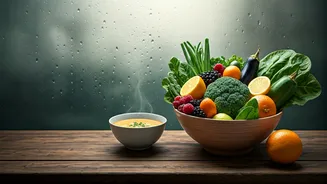
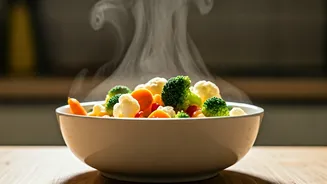
This is where the simple act of cooking comes to the rescue. Applying heat to vegetables—whether through boiling, steaming, sautéing, or roasting—is one of the most effective ways to ensure food safety. Heat kills most of the harmful bacteria, viruses, and parasites that may be present on the surface of the produce. This simple step neutralises the primary risk associated with consuming vegetables during the monsoon. It transforms potentially unsafe produce into a wholesome and safe meal. So, instead of a raw salad, consider a warm vegetable soup or a light stir-fry. You still get the goodness of veggies, but without the accompanying health risks.
Boosting Digestion and Nutrient Absorption
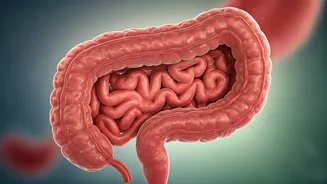
Beyond just safety, cooking vegetables also makes them more practical for your monsoon diet by aiding digestion. The cooking process helps break down complex fibres and cellular walls in vegetables, making them much easier for your weakened digestive system to handle. This means your body can absorb essential vitamins and minerals more efficiently, without the bloating, gas, or discomfort that can come from eating raw foods during this season. For example, the beta-carotene in carrots and the lycopene in tomatoes become more bioavailable after cooking. So, a warm bowl of vegetable soup not only comforts you on a rainy day but also delivers nutrients in a form your body can readily use.
Smart Choices and Cooking Methods
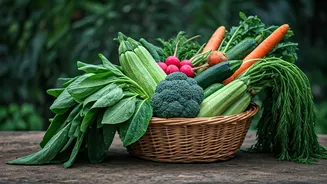
To make the most of your monsoon nutrition, focus on seasonal vegetables like gourds (bottle gourd, ridge gourd, bitter gourd), pumpkin, and sweet potatoes. These are not only fresh but also inherently easy to digest. When it comes to cooking methods, light is right. Opt for steaming, boiling, and pressure cooking, as these methods retain maximum nutrients without adding excess oil. A simple dal with seasonal vegetables, a hearty vegetable stew, or lightly sautéed greens with garlic and cumin are all excellent choices. These preparations are nourishing, easy on the stomach, and perfectly align with the body's needs during the rainy season.