






Why Humidity Is a Fringe's Worst Enemy
Before diving into solutions, it helps to understand the problem. Hair, especially if it's dry, damaged, or naturally porous, acts like a sponge in humid air. Moisture from the atmosphere penetrates the hair's outer layer, or cuticle, causing the strands
to swell and become unruly. This is why a perfectly styled fringe can separate, puff up, or stick to your forehead the moment you step outside in the Indian monsoon or a sticky summer heat. The key to fighting this isn't just about loading up on products; it's about choosing the right style and using a routine that seals the hair cuticle against excess moisture.
The Effortless Curtain Fringe
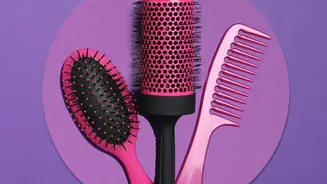
Made famous by style icons, curtain bangs are perhaps the most forgiving fringe for humid climates. Parted in the middle and sweeping to the sides, this longer style is less about rigid perfection and more about soft, face-framing movement. Because they are not meant to sit in a straight, solid line, a little bit of weather-induced texture can actually enhance the look. Stylists note that their length allows them to be easily tucked away or pinned back on days when you want your hair completely off your face. To style, blow-dry them with a round brush, pulling them forward and then away from the face to create that signature sweep.
The Adaptable Wispy Fringe
A wispy, textured fringe is another excellent choice because it's designed to be light and feathery, not blunt or heavy. This style works with your hair's natural texture rather than against it. Since the strands are already somewhat separated, it's less obvious if they don't lie perfectly flat. According to stylists, this cut is chic, low-maintenance, and suits most face shapes. The trick is to keep the bangs light enough so that your forehead is still visible, which helps create a balanced and effortless appearance. A quick tousle with your fingers is often all you need to refresh the look.
The Forgiving Shaggy or Layered Fringe
A modern shag with a layered fringe is structurally built to handle humidity. The choppy, varied lengths are meant to create texture and volume, so a bit of expansion from moisture can actually play into the style, making it look intentionally fuller. This type of fringe blends seamlessly into the rest of your hair, making it extremely versatile. It can be styled straight, wavy, or simply left to air-dry with a bit of smoothing serum to tame any major flyaways. This is a great option for those with wavy hair who want a fringe that embraces their natural texture.
Your Anti-Humidity Styling Toolkit
No matter which style you choose, a few products and techniques are non-negotiable for humid weather. Start by prepping damp hair with a leave-in conditioner or anti-frizz serum to hydrate the hair and seal the cuticle. When blow-drying, direct the air downward and finish with a blast of cool air to set the style. Dry shampoo is your best friend for combating oil and sweat from your forehead, which can make bangs separate and look greasy; a quick spritz at the roots will instantly revive them. Finally, a light-hold, humidity-resistant hairspray will act as a shield, keeping moisture out without making your fringe feel stiff or heavy.
Emergency Fixes for Frizzy Moments
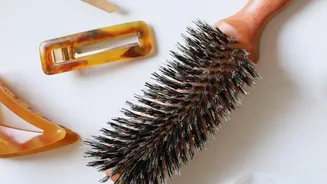
Even with perfect prep, some days are just too humid. For those moments, have a backup plan. Oil-blotting papers for your forehead can prevent oil from transferring to your fringe. A travel-sized dry shampoo can absorb moisture on the go. And never underestimate the power of a chic accessory. On the most challenging days, sweeping your bangs to the side with a stylish clip, using a bobby pin, or even wearing a headband can be a fashionable way to manage your hair until the weather cools down.