








Beyond the Poncho: Outerwear That Breathes
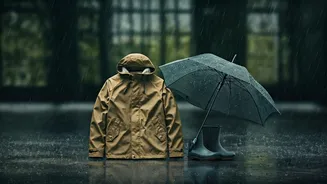
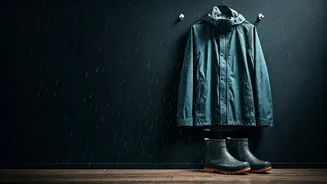
The days of shapeless, suffocating plastic raincoats are over. The new mantra for monsoon outerwear is breathability. [9] Modern rain jackets are moving towards high-performance waterproofing with sharp, everyday aesthetics, leaving behind the transparent
PVCs of the past. [9] Look for fabrics like nylon with a DWR (Durable Water Repellent) finish, which offers a lightweight and premium feel. [11] Many brands are now focusing on smart synthetic membranes that block heavy rain from the outside while allowing body heat and moisture to escape, so you arrive at your destination dry, not drenched in sweat. [9] Trends for 2026 also show a shift to bolder colours like mustard yellows and deep olives, with smarter silhouettes that feature adjustable waists and structured hoods, proving you don't have to sacrifice style for dryness. [9]
The Tech-Ready Commuter's Kit
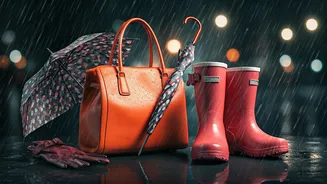
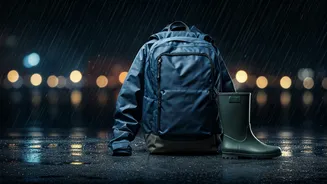
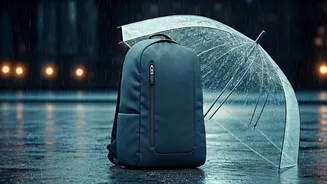
For the modern Mumbaikar, protecting electronics is as crucial as staying dry. A standard backpack won't cut it against the city's sideways rain. The solution lies in genuinely waterproof bags or, at a minimum, bags with a dedicated, high-quality rain cover. [8] Many new backpacks feature water-repellent faux leather, integrated rain covers, and even anti-theft pockets with USB slots. [2] For maximum protection for a laptop, a three-layer approach is recommended: a standard padded sleeve, an internal TPU dry bag for the laptop itself, and an external rain cover for the entire backpack. [8] Techwear influences are also showing up in jackets, with functional utility pockets designed to keep smartphones safe and dry. [9]
A Step Up: Rethinking Monsoon Footwear
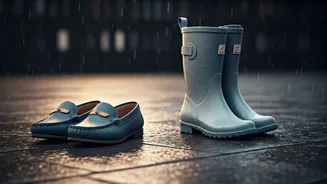
Squelching around in water-logged shoes is a universal monsoon misery. While rubber boots have been the traditional go-to, they are often bulky and lack breathability. [3] The smarter choice for Indian monsoons is often quick-drying footwear rather than fully waterproof shoes. [6] Once water gets inside a waterproof shoe, it can take a very long time to dry in humid conditions, whereas quick-dry materials are designed to shed water fast. [3, 6] Look for footwear made from EVA or other synthetic materials that don't act like a sponge. [3] Brands like Birkenstock and Walkaroo offer stylish and practical options, from EVA sandals to clogs, that provide good grip on slippery surfaces and are easy to clean. [5, 7] These modern options ensure your feet stay comfortable and avoid the fungal infections that can come with perpetually damp footwear. [3]
The Sustainable Downpour
As environmental consciousness grows, so do options for eco-friendly rain gear. Sustainability in rainwear is no longer a niche concept. [11] Many brands are now offering raincoats and jackets made from recycled polyester, often derived from used plastic bottles. [11, 21] This process reduces reliance on virgin resources and helps divert plastic waste from landfills and oceans. [21] These recycled fabrics don't compromise on performance, offering the same durability and water resistance as their traditional counterparts. [21] When shopping for your next piece of rain gear, look for labels that mention recycled materials or PFC-free waterproof coatings to make a choice that's better for the planet without sacrificing protection. [25]