




A Seasonal Rite of Passage
For thousands of travellers across India and the world, the annual opening of Ladakh's mountain passes is more than a logistical update; it's a starting gun. After a long, harsh winter that cuts the region off from road access via Manali and Srinagar,
the clearing of snow from passes like Zoji La and Rohtang is a monumental effort by the Border Roads Organisation (BRO). This event transforms Ladakh from an isolated winter wonderland into the country's undisputed adventure capital. This year, the clearing has been met with a particularly high level of enthusiasm, as a growing number of solo backpackers, armed with itineraries and a thirst for self-discovery, are planning their journeys to the 'Land of High Passes'.
The Irresistible Allure of Solo Travel in Ladakh
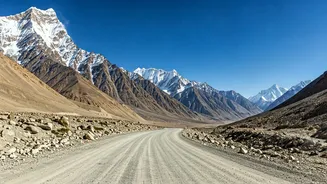
Why Ladakh, and why solo? The region offers a unique combination of extreme beauty, profound solitude, and a surprising degree of safety that makes it a magnet for lone travellers. The journey itself—whether on a roaring motorcycle, in a shared taxi, or on foot—is a transformative experience. It’s a chance to disconnect from the digital noise and reconnect with oneself against a backdrop of surreal landscapes: prayer flags fluttering against stark mountains, emerald-blue lakes reflecting a vast sky, and ancient monasteries clinging to cliff faces. For many, a solo trip to Ladakh is a personal pilgrimage, a test of endurance, and a spiritual reset button rolled into one.
Key Routes and Passes Now Open
The two main arteries into Ladakh are now welcoming travellers. The Srinagar-Leh highway, passing through the formidable Zoji La (11,575 ft), offers a gradual acclimatisation process as the landscape shifts from the green valleys of Kashmir to the arid terrain of Ladakh. The Manali-Leh highway is a more challenging and arguably more dramatic route, crossing several high passes including the Rohtang Pass, Baralacha La (16,040 ft), and Tanglang La (17,480 ft). Within Ladakh, crucial internal passes like Khardung La (once claimed as the world's highest motorable pass) to Nubra Valley and Chang La to Pangong Tso are also typically cleared, opening up the region’s most iconic sights. Always check the latest BRO updates before starting, as weather can be unpredictable.
Your Solo Backpacker's Essential Checklist
Heading out alone requires smart preparation. First, acclimatisation is non-negotiable. Spend at least two full days in Leh (11,483 ft) doing nothing strenuous before venturing higher. Second, pack in layers: thermals, fleece jackets, and a windproof/waterproof outer layer are essential, even in summer. Sun protection—hat, sunglasses, and high-SPF sunscreen—is critical in the thin mountain air. Carry a basic medical kit with medication for altitude sickness (consult a doctor first), pain relief, and bandages. While connectivity is improving, have offline maps and important contacts saved. Finally, budget for permits. An Inner Line Permit (ILP) is required for most popular areas like Nubra Valley and Pangong Tso, which can be easily obtained online or via agents in Leh.
Navigating the 'Surge': How to Travel Responsibly
The increasing popularity of Ladakh means it's more important than ever to be a responsible tourist. The reported 'surge' in backpackers puts pressure on local resources. To mitigate your impact, consider booking homestays over large hotels to ensure your money directly supports local families. Carry a reusable water bottle to reduce plastic waste, which is a significant problem in this fragile ecosystem. Respect local customs: dress modestly when visiting monasteries, always ask before taking photographs of people, and be mindful of the quiet, spiritual nature of these places. While the main hubs like Leh can get crowded, a little exploration will lead you to quieter villages and valleys where the true essence of Ladakh remains untouched.