




Decoding 'Crowdsourced Live Digital Charts'
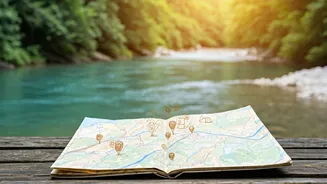
First, let's demystify the term. A “crowdsourced live digital chart” isn’t a single app you can download. It’s a concept that describes any digital platform where a community of users collectively builds and shares information in real-time. Think of a shared
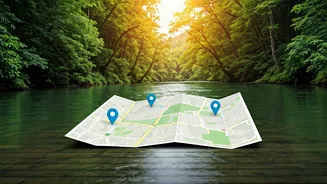
Google Map dotted with user-approved budget homestays, a Reddit thread constantly updated with affordable travel tips, or a Facebook group where members exchange contact numbers for local cabin owners. These are your treasure maps, drawn by fellow travellers, for fellow travellers. The data is live because it's constantly being vetted, updated, and added to by the community, making it more reliable and current than a static travel guide.
Harnessing the Power of Reddit
Reddit is a goldmine for this kind of information. Subreddits like r/IndiaTravel, r/Shoestring, and city-specific subs (e.g., r/Goa, r/Mumbai) are filled with candid advice. Your strategy here is targeted searching. Don't just search for “budget cabins.” Use specific, long-tail keywords like “affordable lakeside stay near Pune,” “cheap beach hut Gokarna student,” or “backwaters homestay contact Alleppey.” Pay attention to trip reports and comments. Often, the best recommendations are buried in a comment thread where a user shares a direct contact number or a specific location pin for a place that isn't listed on major booking websites. Save these threads and build your own list.
Mastering Google Maps for Hidden Gems
Google Maps is more than just a navigation tool. Start by searching for a general area, for example, “Vembanad Lake, Kerala.” Now, instead of looking for hotels, zoom in and look for small, un-promoted business listings like “Lakeside Homestay” or generic icons for lodging. Read the reviews carefully. Travellers often leave detailed comments, including price estimates and photos that give you a real sense of the place. Even better, look for user-created lists. People often create and share public maps titled “My Goa Trip” or “Himalayan Budget Stays.” These are curated lists from actual visitors, often featuring places that fly under the radar of commercial travel sites.
Diving into Niche Facebook Groups
Facebook groups dedicated to backpacking and budget travel in India are invaluable. Join groups like “Backpacking India” or “The Himalayan Club.” Once you’re in, use the search function within the group to look for past discussions on your destination. The information here is often highly specific. Members frequently share phone numbers of hosts, warn about tourist traps, and even coordinate group trips to get better rates. You can also post a query yourself. A post like, “Hi everyone, a group of students looking for a budget-friendly waterfront cabin in Rishikesh for 3 nights. Any direct owner contacts?” will often yield direct leads from experienced travellers or even the hosts themselves.
The Final Step: Verification and Booking
Once you have a shortlist of potential cabins from these crowdsourced charts, the final step is verification. If you have a phone number, call the owner directly. This is often the best way to get the lowest price, as it bypasses any commission fees from booking platforms. Ask for recent photos or a video of the property and its surroundings. Cross-reference the location on Google Maps to ensure it is genuinely on the waterfront. Check recent reviews or posts about the place to make sure the information is still current. For students, it's also wise to ask about safety, especially for late-night access and security, before finalising your booking.