





An Old Fight with a New Enemy
For generations, farmers across India have faced a persistent threat that can wipe out a season's hard work in a matter of days: crop disease. From fungal blights in tomatoes to yellow rust in wheat, identifying and treating these ailments is a constant
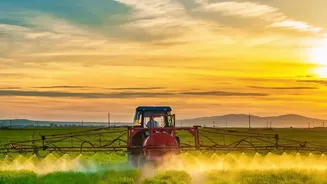
struggle. Traditionally, farmers relied on experience or advice from local agricultural extension officers, but this process can be slow and imprecise. By the time a disease is correctly identified, it may be too late, leading to significant financial losses. Estimates suggest Indian farmers lose up to ₹90,000 crores annually due to pests and diseases. The common solution—widespread pesticide use—is often a shot in the dark, leading to wasted money, potential environmental damage, and crops that absorb unnecessary chemicals.
A Digital Doctor in Every Farmer's Pocket
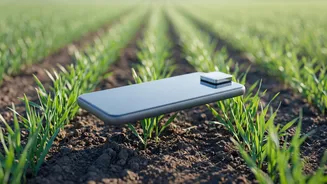
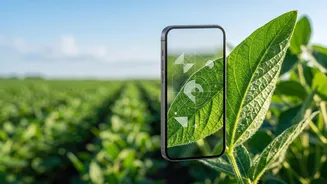
The solution isn't a complex new piece of machinery but an accessible tool many farmers already own: a basic smartphone. A new generation of mobile applications is turning these phones into powerful diagnostic tools. Apps like Plantix, Wadhwani AI's CottonAce, and the Punjab-specific Fasal Doctor are empowering farmers to become their own crop doctors. The premise is simple yet revolutionary. A farmer notices a suspicious spot on a leaf, opens an app, and takes a photo. Within seconds, artificial intelligence analyzes the image and provides a diagnosis. This technology effectively places a digital agronomist in the hands of every farmer, available 24/7, right in the field.
How AI Turns a Photo into a Prescription
The magic behind these apps lies in machine learning. Developers train the AI models by feeding them millions of images of plants in various stages of health and disease, each one labelled by human experts. Plantix, for instance, has a database of over 30 million images. When a farmer uploads a new photo, the AI cross-references it with this vast visual library to find a match, identifying the specific pest or disease with remarkable accuracy. But the service doesn't stop at diagnosis. Crucially, the app provides a clear, actionable plan. It recommends the correct type of pesticide or fungicide and, just as importantly, the precise amount needed for the specific level of infestation detected. This targeted approach prevents the overuse of chemicals, saving farmers money and leading to healthier crops.
Built for the Realities of Rural India
For this technology to be truly effective, it has to work within the constraints of rural life. Many of these apps are designed to be low-cost or entirely free to use. Developers also understand that internet connectivity can be unreliable in remote areas. In response, apps like Fasal Doctor are designed to work completely offline, performing all the analysis directly on the phone itself, without needing to send data to the cloud. This is a critical feature for farmers in parts of Punjab like Bathinda and Faridkot where network signals can be weak. The information is also provided in multiple local languages, making it accessible to a wide range of users. Furthermore, the data collected can be aggregated to create early-warning systems, alerting nearby farmers if a particular pest is spreading in their area.
The Tangible Impact on the Ground
This isn't just a futuristic concept; it's already delivering real-world results. Wadhwani AI reports that its CottonAce app has helped increase farmer profits by 20% while reducing pesticide expenses by as much as 25%. With millions of farmers in India already using apps like Plantix, this technology is moving from a niche experiment to a mainstream agricultural tool. The World Bank has thrown its support behind these "small AI" initiatives, recognizing their potential to transform agriculture for hundreds of millions of smallholder farmers. By making expert knowledge accessible and affordable, these tools are levelling the playing field, making farming more productive, profitable, and sustainable.