
Master Your Protein Powerhouses
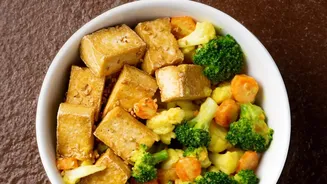
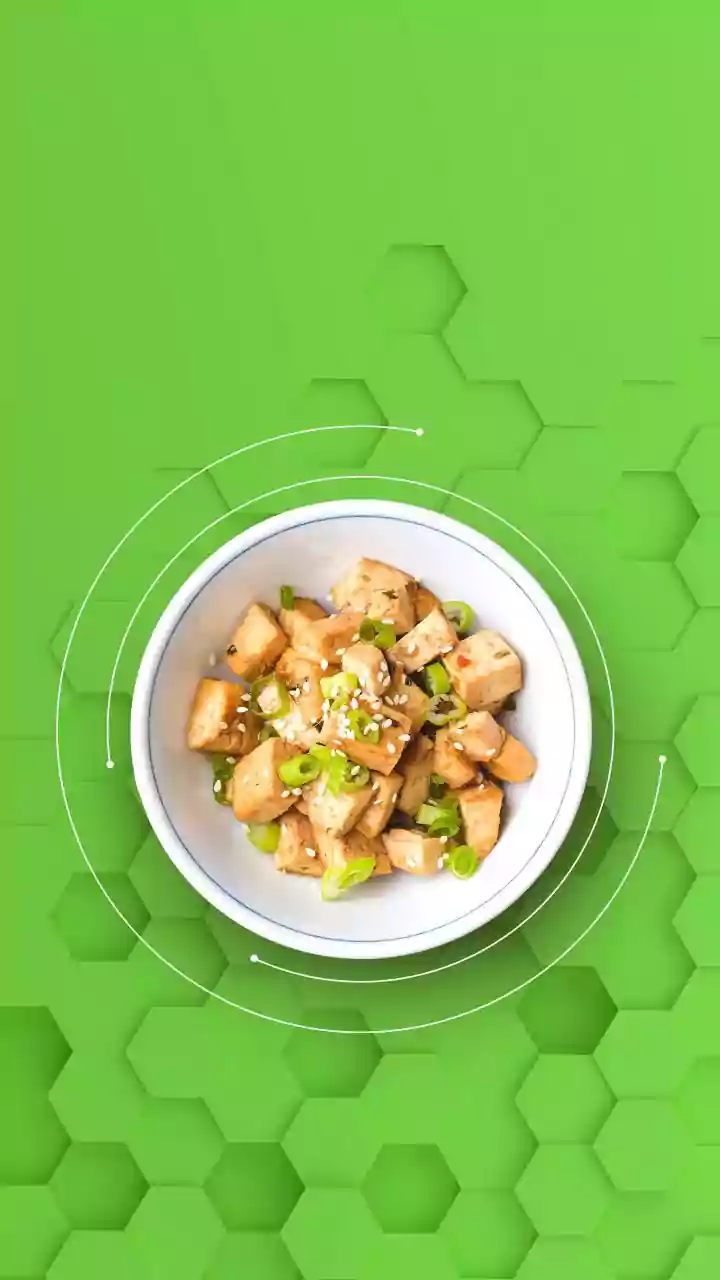
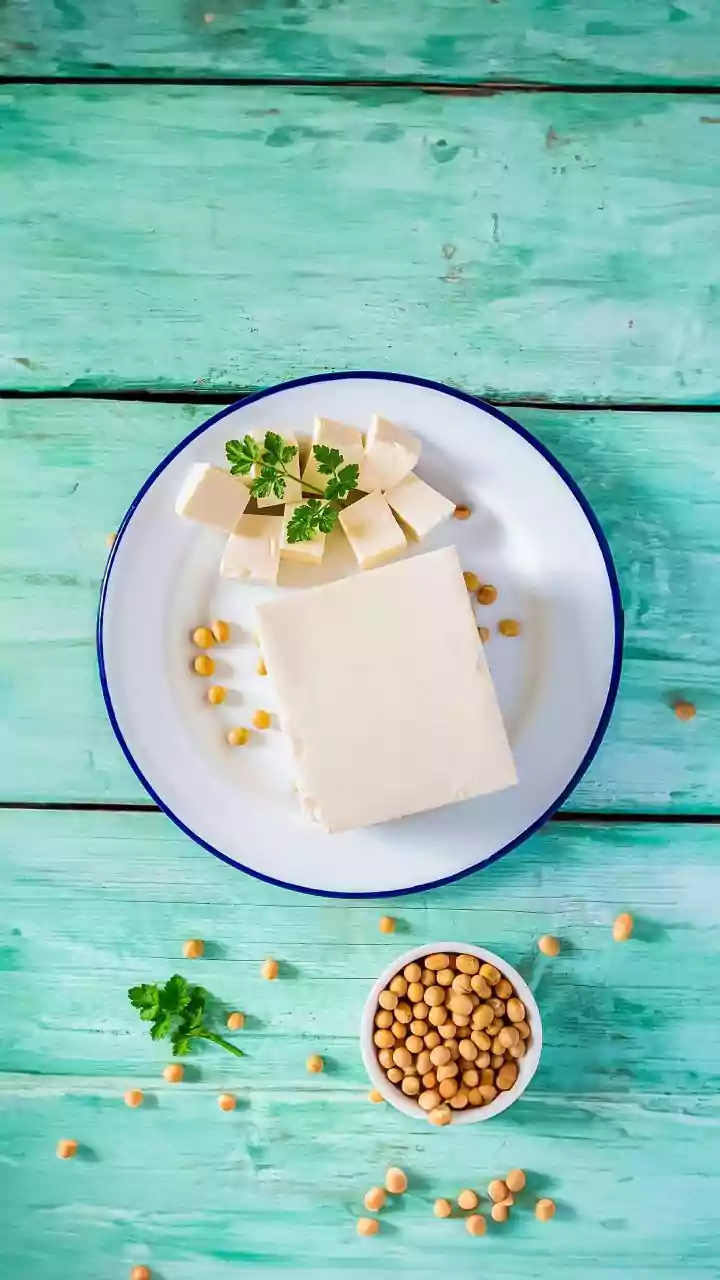
The foundation of a high-protein plant-based diet is having your core proteins ready to go. Dedicate a portion of your weekly prep time to cooking these key ingredients. Tofu, tempeh, lentils, and chickpeas are your best friends. Press and bake a block
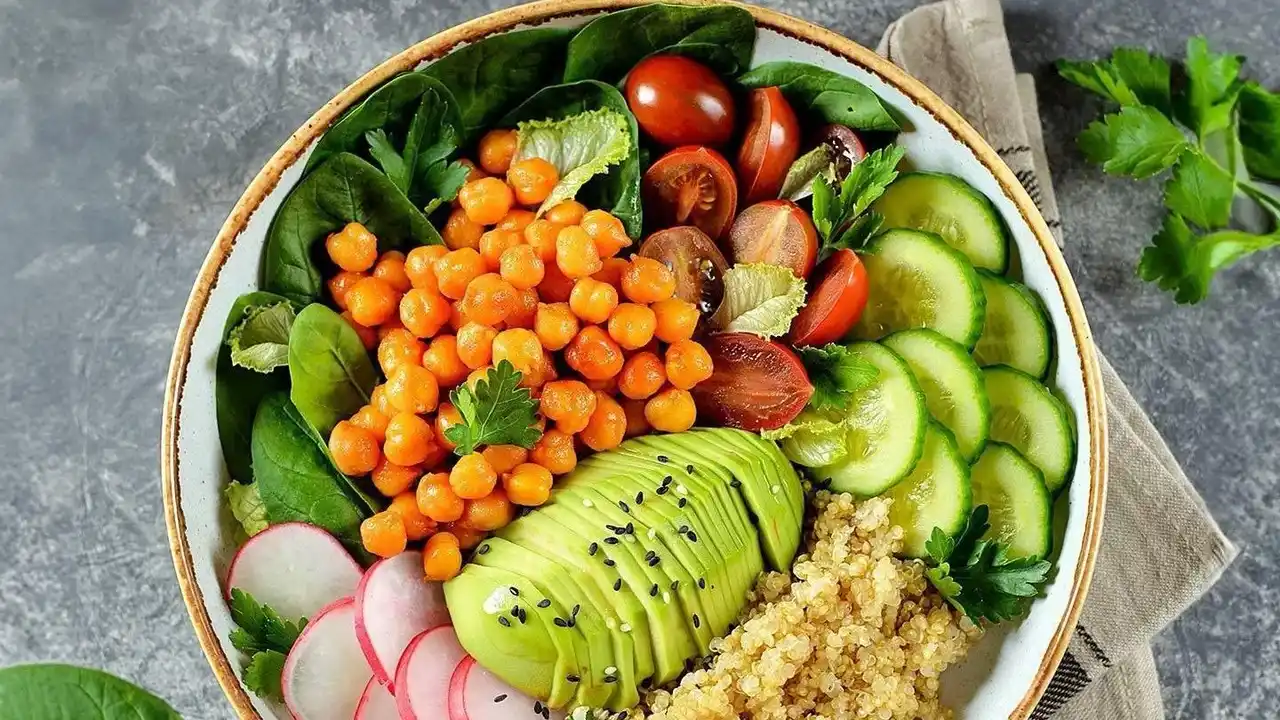
of tofu, or marinate and cook tempeh so it's ready to be added to salads and bowls. Simmering a large pot of lentils or chickpeas provides a versatile base that can be transformed into patties, added to soups, or mixed into salads throughout the week. For instance, spiced lentils can become the filling for a quick taco, while cooked chickpeas can be tossed with seasoning for an instant protein boost.
Batch Cook Grains and Bases
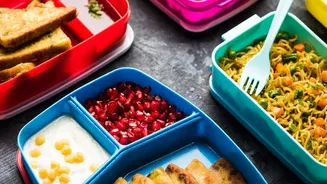
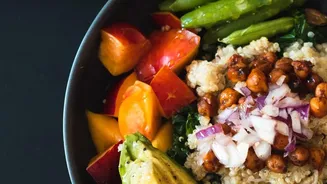
Protein needs a partner. Cooking a large batch of a versatile grain like quinoa, which is a complete protein itself, is a non-negotiable meal prep step. Brown rice, farro, and barley are also excellent choices that add fibre and substance to your meals. Once cooked and cooled, store them in an airtight container in the fridge. This simple step means you are only ever a few minutes away from assembling a filling and nutritious grain bowl. You can portion these out into individual containers or keep them in one large container to scoop from as needed for lunches and dinners.
Embrace Component Prepping
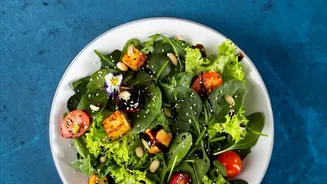
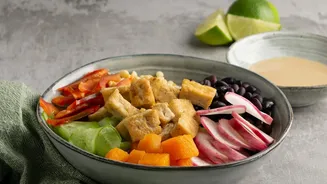
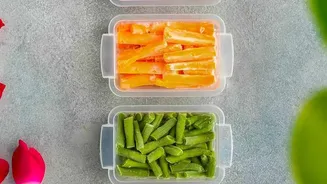
You don't always need to prepare entire, finished meals. Often, the most flexible and sustainable method is 'component prepping'. This means preparing individual ingredients that can be mixed and matched later. Wash and chop vegetables like bell peppers, broccoli, and carrots. Make a large container of salad greens. Roast a sheet pan of sweet potatoes or Brussels sprouts. This approach prevents flavour fatigue and allows for creativity. When it’s time to eat, you can build a custom bowl or wrap in minutes using your prepped components, pulling a protein from here, some roasted veggies from there, and placing it all on a bed of pre-cooked grains.
The Secret is in the Sauce
A delicious sauce or dressing can tie everything together and turn a simple bowl of ingredients into a gourmet-tasting meal. Prep one or two versatile sauces at the beginning of the week. A lemon-tahini dressing, a flavourful peanut sauce, or a zesty vinaigrette can be used on salads, grain bowls, and wraps, or as a dip for raw vegetables. A great pro-tip is to make a base sauce that can be altered. For example, a simple Asian-style dressing can be used as-is one day, and then have sriracha or extra lime juice added the next to create a new flavour profile from the same basic prep.
Plan for High-Protein Snacks
For busy fitness enthusiasts, snacking is crucial for maintaining energy and hitting protein goals. Your meal prep should include snacks. Roasted chickpeas are a classic, crunchy, and savoury option you can make in large batches. Portion out servings of edamame, which just needs a quick steam or boil. Homemade protein balls, often made with oats, nut butter, and seeds like chia and hemp, are perfect for a pre- or post-workout boost. Having these healthy, protein-rich options on hand will help you avoid reaching for less nutritious, convenient alternatives when hunger strikes.
Use Your Freezer Strategically
Your freezer is one of the most powerful tools in your meal prep arsenal. You can batch-cook and freeze entire meals like bean chili, lentil soup, or veggie burgers, ensuring you always have a healthy meal on hand for extra-busy nights. You can also freeze components. Create pre-portioned smoothie packs with spinach, fruit, and a scoop of plant-based protein powder or hemp seeds. This way, all you have to do in the morning is add liquid and blend. Freezing leftover grains and beans in single-serving portions is another way to reduce waste and ensure you always have a quick meal component ready to defrost.