







Understanding Monsoon Travel Woes
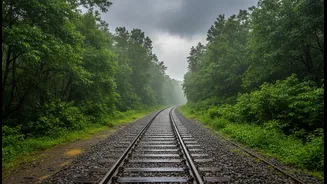
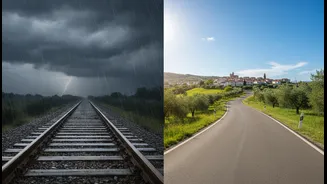
The magic of a monsoon train journey is often tempered by reality. Heavy rainfall can lead to significant disruptions. Waterlogging on tracks, especially in low-lying areas, and landslides in hilly regions like the Ghat sections can cause massive delays,
diversions, or outright cancellations of trains. For example, the vital Mumbai-Pune route has been suspended in the past due to landslides in the Bhor Ghat section during intense rains. This unpredictability means a journey planned for eight hours can easily stretch into twelve, and sometimes, it may not happen at all. Beyond delays, there's the simple discomfort of navigating crowded, slippery stations, protecting your luggage from the downpour, and the potential for limited services, including pantry car availability.
Book in Advance, But Also Flexibly
The golden rule of booking train tickets in India is to book early, as bookings open 120 days in advance. This is doubly true for popular monsoon routes. However, rigidity can be your enemy. When booking, consider opting for features like the 'Vikalp' scheme. This allows you, if your original ticket is on the waitlist, to be allotted a confirmed berth in an alternate train on the same route without any extra charges. While it doesn't guarantee a seat, it improves your chances. Also, look at the cancellation policy. A slightly more expensive ticket with a flexible cancellation policy might save you more money if weather advisories force you to change your plans at the last minute.
The Tatkal Dilemma
For last-minute plans, the Tatkal quota is often the only hope. However, securing a Tatkal ticket during any busy season is a challenge, and monsoon is no different. The booking window (10 AM for AC classes, 11 AM for non-AC) sees a massive rush, and tickets vanish in seconds. To improve your chances, prepare ahead. Use the 'Master List' feature on the IRCTC website to save passenger details in advance, which saves crucial time during booking. Also, use fast payment methods like UPI. It's a high-risk, high-reward strategy; if you succeed, you have a confirmed ticket for urgent travel, but the chances of failure are high.
Your Smartphone is Your Best Friend
Technology is the modern traveller's most powerful tool against monsoon uncertainty. Before you even leave for the station, use the National Train Enquiry System (NTES) app or website to check your train’s live running status. These platforms provide real-time information on the train's location, expected delays, and, most importantly, any cancellation or diversion alerts. This information is critical, as it can save you from a pointless trip to the station. Following the official social media handles of zonal railways, like Central or Western Railway, can also provide live updates during severe weather events.
Don't Skip the Travel Insurance
When booking on the IRCTC portal, you will see an option to add travel insurance for a nominal fee, often less than a rupee. It’s an option many travellers ignore, but during the monsoon, it's a smart choice. This insurance primarily covers accidents, offering compensation for death or disability. However, some comprehensive domestic travel insurance plans can offer wider coverage that may include financial protection against trip cancellations and major delays due to weather. Given the high probability of disruptions, this small investment provides a crucial financial safety net and peace of mind.
Packing Smart for the Rain
Your booking strategy extends to how you prepare for the journey itself. Pack light, but smart. Waterproofing is key. Use waterproof bags or rain covers for your luggage to protect your belongings. Keep electronics, tickets, and other important documents in smaller zip-lock bags. Wear footwear with a good grip to safely navigate wet and slippery station platforms. Carrying a small umbrella, a light raincoat, and some ready-to-eat snacks and a water bottle is also advisable, in case the train gets delayed for an extended period and pantry services are unavailable.