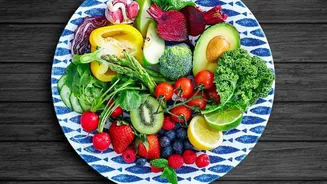







The Bitter Truth About Healthy Eating
For years, the advice has been simple: bitter foods are good for you. They are often packed with beneficial compounds like polyphenols and flavonoids that may offer antioxidant and anti-inflammatory benefits. This has led to a common assumption that people
who eat more bitter vegetables, like those in the cruciferous family, must have a healthier diet and, by extension, better health outcomes. However, a study involving thousands of adults has introduced a surprising twist to this narrative. Researchers set out to explore the link between a person's genetic sensitivity to bitter tastes, their actual diet, and their cardiometabolic health. The results challenge our one-size-fits-all approach to nutrition.
It's All In Your Genes
Why can one person happily munch on arugula while another finds it unbearably pungent? The answer lies largely in our DNA. A specific gene, known as TAS2R38, acts as a receptor for bitterness. Variations in this gene mean some people are 'tasters' or 'supertasters', who perceive the bitter compounds in foods like broccoli and Brussels sprouts with intense clarity. Others are 'non-tasters', who barely notice the bitterness at all. This genetic lottery has long been known to influence food preferences and, consequently, dietary habits. The logical next step was to ask whether these genetic differences, by steering people away from or toward vegetables, ultimately impact long-term health markers like blood pressure, cholesterol, and blood sugar.
More Greens, But No Guarantee
The study confirmed part of the long-held hypothesis: people with a higher genetic predisposition to perceive bitter tastes did, in fact, tend to eat fewer vegetables. But here is the crux of the findings that has experts talking: this difference in vegetable consumption didn't translate into significant differences in cardiometabolic risk factors. In other words, being genetically wired to dislike and avoid bitter foods wasn't clearly linked to worse health outcomes in the measures examined. One study on over 5,000 women even found that 'supertasters' had a higher risk of cancer, despite the researchers' initial hypothesis that their diet would be the explanatory factor. This suggests that simply eating or not eating a specific category of vegetables might not be the all-important health lever we once thought.
Redefining a 'Quality' Diet
These findings do not mean that vegetables are suddenly unhealthy. Bitter foods contain numerous compounds with proven health benefits, from improving digestion to providing antioxidants. Instead, the research suggests that overall diet quality is a much more complex and holistic picture. It is not just about forcing down kale if you can't stand it. The study serves as a reminder that a person's entire dietary pattern—the sum of everything they eat—is more important than their intake of any single food group. Health is influenced by a constellation of factors, including total calorie intake, sugar consumption, the variety of nutrients from all sources, and lifestyle habits like exercise. Focusing solely on a genetic distaste for bitterness may miss the forest for the trees.
So, Should You Ditch The Broccoli?
Absolutely not. The practical takeaway isn't to get a genetic test and use it as an excuse to avoid vegetables forever. Rather, it’s about personalisation and sustainability. If you're a 'supertaster' who finds raw broccoli intensely bitter, perhaps roasting it with olive oil and spices will make it more palatable. If you can't learn to love kale, find other nutrient-dense foods you do enjoy. The goal is to build a healthy eating pattern that works for you in the long run. Health isn't a punishment, and a diet built on foods you despise is unlikely to last. This research frees us from the guilt of not loving every 'superfood' and encourages us to find our own enjoyable path to a balanced and nutritious diet.