
Powering Effective Muscle Repair
A common question surrounding plant-based fitness is whether it provides enough protein for muscle growth and repair. Research and athletes are increasingly showing that it can. A well-planned plant-based diet can provide all the essential amino acids
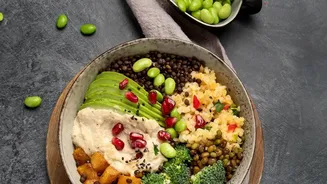
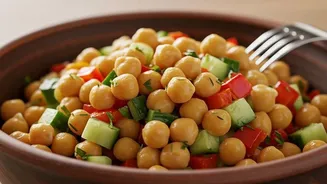
necessary for muscle protein synthesis, the process your body uses to repair and build muscle after a workout. Sources like soy, quinoa, and buckwheat are considered complete proteins, containing all essential amino acids. Other powerful sources like lentils, chickpeas, beans, tofu, and tempeh are protein-rich and can be easily combined with grains like rice to form a complete amino acid profile. Studies have shown that as long as total protein intake is sufficient, plant-based protein can support muscle strength and mass gains comparably to animal-based protein.
Reducing Exercise-Induced Inflammation
Intense exercise naturally causes micro-tears in muscle tissue, leading to an inflammatory response and that familiar next-day soreness. While this is a normal part of the muscle-building process, chronic or excessive inflammation can hinder recovery and performance. Plant-based diets are naturally rich in anti-inflammatory compounds. Fruits, vegetables, nuts, and seeds are packed with antioxidants, phytochemicals, and vitamins that help combat oxidative stress and moderate the body's inflammatory response. In fact, plant foods have, on average, 64 times the antioxidant content of animal foods. This anti-inflammatory effect can lead to reduced muscle soreness, quicker recovery times between training sessions, and a lower risk of overuse injuries.
Boosting Long-Term Health and Vitality
The benefits of a whole-food, plant-based diet extend far beyond the gym. These eating patterns are consistently linked with significant long-term health advantages. Diets rich in fibre, vitamins, and minerals from plants support cardiovascular health by helping to lower blood pressure and cholesterol. They are also associated with a reduced risk of chronic conditions like type 2 diabetes and certain cancers. Furthermore, the high fibre content in plant foods promotes a healthy gut microbiome, which is crucial for nutrient absorption, immune function, and even mood regulation. For an athlete, a healthier body overall means a more resilient and efficient system ready for the next challenge.
How Meal Prepping Makes It All Work
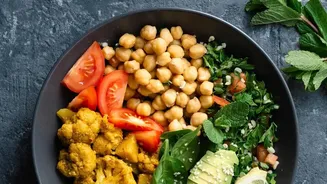
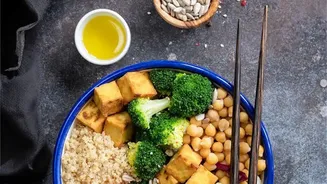
Understanding the benefits is one thing, but consistency is what brings results. This is where meal prepping becomes a game-changer. By planning and preparing meals in advance, you ensure that you always have nutrient-dense, recovery-focused food ready when you need it. This eliminates the guesswork and the temptation to reach for less healthy convenience foods after a tough workout. A typical meal prep session might involve cooking a large batch of quinoa or brown rice, roasting a variety of vegetables like broccoli and bell peppers, and preparing a protein source like baked tofu, lentil bolognese, or a black bean salad. Having these components ready allows you to quickly assemble balanced meals throughout the week, ensuring you consistently fuel your body for optimal performance and recovery.