





First, What Are Dark Stores?
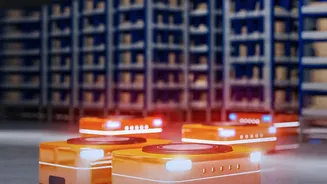
Imagine a supermarket that has no customers. The aisles are packed with products, but they are optimised for speed and efficiency, not for browsing. This is a dark store. It's a small, local warehouse or micro-fulfillment center that exists solely to pack online
orders for express delivery. Unlike massive, centralised e-commerce warehouses located on the outskirts of metros, dark stores are strategically placed deep within residential areas. Their purpose is singular: to get goods to your doorstep in minutes, not days. This model is the engine of 'quick commerce' (Q-commerce), a sector that has exploded in recent years by promising near-instantaneous delivery of everyday items.
The Strategic Shift to Smaller Towns
For years, e-commerce was a game dominated by metros. But as companies compete for the next wave of growth, they are aggressively expanding into Tier-II and Tier-III cities like Jaipur, Indore, Coimbatore, and Lucknow. Reports indicate that about a third of all new dark stores are now opening in these smaller urban centers. This expansion is driven by simple but powerful economics. Real estate costs for setting up warehouses are significantly lower than in congested metros like Mumbai or Bengaluru. Smaller towns also offer a large, available workforce, helping companies scale their operations quickly. More importantly, these towns represent a vast, untapped consumer base with rising disposable incomes and increasing digital fluency. Companies are finding that demand in these markets is robust, making the investment in local infrastructure worthwhile.
A New Wave of Job Creation
This expansion is directly fueling a surge in local employment. The Q-commerce and logistics sectors are expected to create lakhs of new jobs, with a significant portion based in and around these new regional hubs. These roles are not just limited to delivery partners. Dark stores require a team of indoor staff, including warehouse associates, order pickers, inventory managers, and shift supervisors, to function. For many job seekers in smaller towns, these positions offer a reliable entry point into the formal economy, complete with monthly salaries, social security benefits like PF and ESI, and structured career growth paths. Hiring in these cities has seen a marked increase, with some reports noting a 22-25% jump in seasonal hiring compared to metros. These jobs include warehouse workers, logistics coordinators, and customer support executives, creating a diverse employment ecosystem.
Reshaping Local Economies and Challenges
The influx of dark stores does more than just create jobs; it revitalises local economies by converting underused commercial properties into active economic hubs. It also forces an upgrade in local logistics infrastructure and brings more consumers into the digital economy. However, the growth is not without challenges. Profitability can be thinner in less-dense markets, and companies face the logistical puzzle of maintaining a complex supply chain far from major distribution centres. While the jobs are welcome, questions remain about the long-term stability and the pressure this rapid development places on local infrastructure. Despite these hurdles, the trend shows no sign of slowing down, with major players projecting a near-tripling of dark stores across India by 2030, a large share of which will be outside the top metros.