





Nature's Own Sea Wall
Mangrove forests are much more than just coastal woodlands; they are nature's frontline defenders. Termed a 'bio-shield', these remarkable ecosystems provide powerful protection against the extreme weather events that frequently batter India's eastern
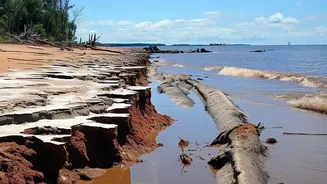
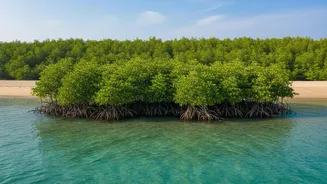
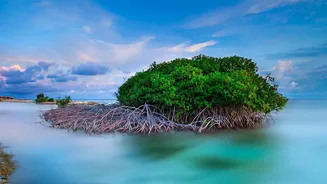
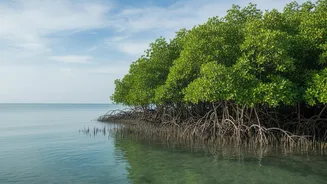
shoreline. Their dense, tangled root systems act like a natural barrier, absorbing and dissipating the energy of storm surges and high-velocity waves during cyclones. Studies have shown that a healthy mangrove belt can significantly reduce wave height, lessening the impact of flooding and preventing coastal erosion by trapping sediment and stabilising the shoreline. During past cyclones, areas sheltered by robust mangrove cover have consistently reported less damage, proving their effectiveness as a life-saving natural infrastructure.
Power to the People
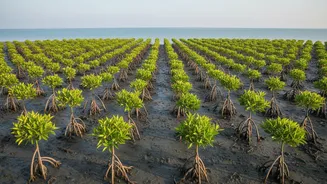
What makes the current wave of mangrove restoration so compelling is that it is being driven from the ground up. Across coastal states like Odisha, Andhra Pradesh, and Tamil Nadu, local communities are the primary stakeholders. In the Devi river estuary in Puri, for instance, a women-driven initiative has planted tens of thousands of saplings, transforming their relationship with the forest from one of resource extraction to one of protective stewardship. These community-led projects often involve establishing local nurseries, training villagers in planting techniques, and ensuring the long-term monitoring of the saplings. This approach not only ensures higher survival rates for the plants but also empowers local populations, giving them a direct role in safeguarding their own future.
More Than Just Protection
The benefits of a thriving mangrove ecosystem extend far beyond coastal defense. These forests are critical biodiversity hotspots and act as vital nurseries for numerous species of fish, crabs, and molluscs. For coastal communities, this translates directly into enhanced livelihood security, supporting both local and commercial fisheries. Furthermore, mangroves are carbon sequestration powerhouses, capturing and storing up to four times more carbon per hectare than terrestrial tropical forests, making them a crucial ally in the fight against climate change. From providing fuel wood and timber to filtering pollutants from the water, the restoration of these forests revitalises the entire coastal economy and environment.
The Path to a Greener Coastline
Despite the success stories, the path to restoring India's mangrove cover is not without its challenges. Rapid coastal development, pollution from industries and agriculture, and the overarching threat of climate change continue to place these vital ecosystems under stress. Successful restoration requires more than just planting saplings; it demands a scientific approach. This includes selecting diverse native species suited to local salinity levels and tidal patterns, rather than relying on monocultures. Projects like the one in Astaranga, Odisha, which aim to plant one million mangroves by 2030, showcase the ambition needed. These efforts highlight that long-term success depends on sustained community involvement, supportive government policies, and partnerships with NGOs and research institutions.