



1. Go Back to Ancient Grains
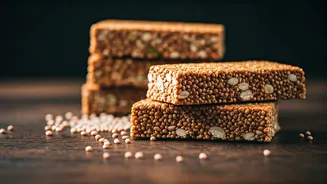
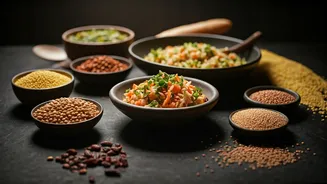
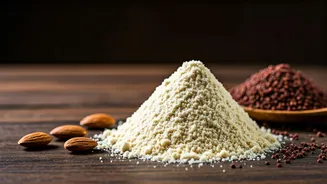
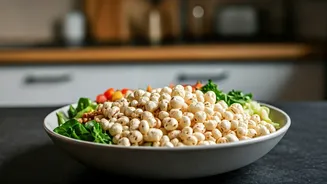
For decades, refined wheat flour (maida) and polished white rice have dominated our plates. But our ancestors ate a much wider variety of grains. It’s time to bring them back. Millets like ragi, jowar, and bajra are nutritional powerhouses, packed with
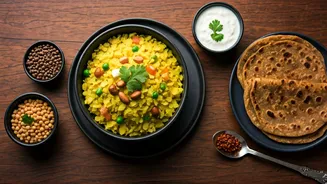
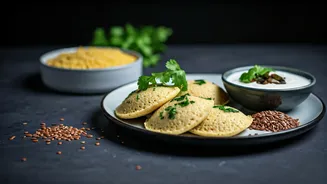
fibre, protein, and essential minerals. They are also naturally gluten-free and have a lower glycaemic index, which helps in managing blood sugar levels. How to use them? Start simple. Make your everyday rotis with a 50/50 mix of whole wheat atta and a millet flour like jowar. Try making dosa batter with ragi or create a delicious upma with foxtail millet (kangni) instead of semolina (suji). These small changes significantly boost the nutritional value of your meal without sacrificing the comforting feel of a traditional dish.
2. Rethink Your Relationship with Oil
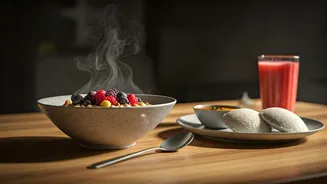
Indian cooking is often unfairly criticised for its oil content. The problem isn't the oil itself, but the quantity and type used. Deep-frying is not the only way. Our traditions also include steaming (idli, dhokla), roasting (baingan bharta), and slow-cooking. To make your daily meals healthier, focus on 'tadka' for flavour rather than cooking the entire dish in pools of oil. A good non-stick pan or a well-seasoned iron kadai can drastically reduce the amount of oil needed. When you do use oil, choose wisely. Cold-pressed mustard, groundnut, or sesame oils used in moderation are far better than refined vegetable oils. And that spoonful of ghee on your dal or roti? It’s a source of healthy fats and vitamins, not a villain to be avoided.
3. Embrace the Power of Pulses
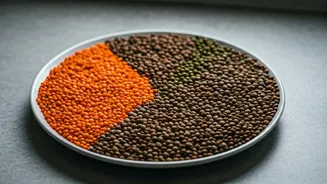
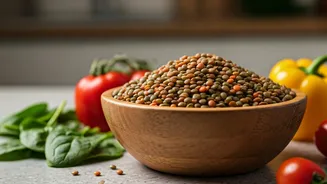
From rajma-chawal to dal-roti, lentils and legumes are the backbone of Indian cuisine for a reason. They are one of the best sources of plant-based protein and dietary fibre. A diet rich in pulses keeps you feeling full longer, aids digestion, and provides sustained energy. The key is in the preparation. Avoid loading your dals with excessive cream and butter. Instead, let the natural, earthy flavours shine through with a simple tempering of ghee, cumin, and asafoetida (hing). Sprouting legumes like moong or black chickpeas before cooking them as a sabzi or salad also unlocks their nutrients and makes them easier to digest. Don’t forget besan (gram flour), used to make chilla or kadhi, which is another excellent way to get your protein.
4. Let Spices Be Your Medicine
The secret to flavour in Indian food isn't fat or sugar; it's our incredible array of spices. And they do more than just taste good. Turmeric (haldi) contains curcumin, a powerful anti-inflammatory agent. Fenugreek (methi) seeds help regulate blood sugar, and ginger is a potent digestive aid. Cumin, coriander, cloves, and cardamom all have unique health benefits. By using a generous and varied hand with spices, you can create complex, satisfying flavours without needing to add extra oil or salt. A well-spiced dish is naturally delicious and reduces the craving for unhealthy additives. Toasting your spices before grinding them can also amplify their aroma and health properties.
5. Reinvent Traditional Desserts
The Indian sweet tooth is legendary, but so is the mountain of refined sugar that often comes with it. To give your mithai a healthy makeover, look to natural sweeteners. Jaggery (gur) is a fantastic substitute for white sugar, as it contains iron and other minerals. Dates, figs (anjeer), and raisins can be blended into a paste to sweeten kheer or barfi without any added sugar. Instead of a heavy, ghee-laden halwa, try a fruit-based dessert. A bowl of warm, cinnamon-spiced stewed apples or a simple fruit chaat can be just as satisfying. For dishes like kheer, swapping full-fat milk for a lighter alternative and using millets or oats instead of white rice can create a guilt-free indulgence.