


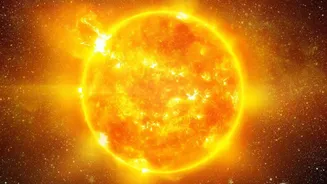
The Sun's Turbulent Cycle
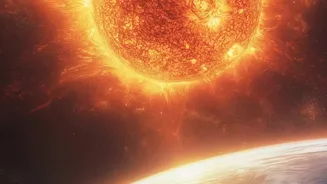
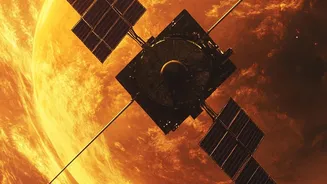
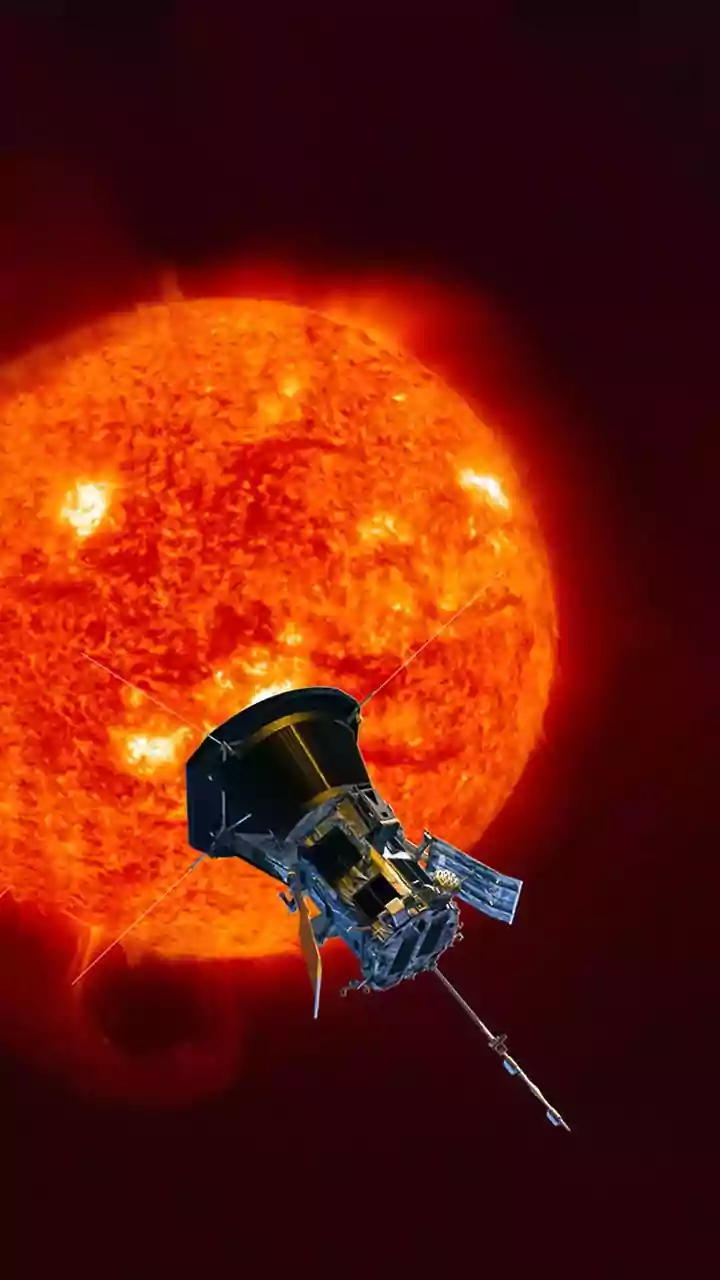
Every 11 years, the Sun undergoes a natural cycle of activity, moving from a quiet minimum to a turbulent maximum. We are currently in Solar Cycle 25, which began in December 2019. Predictions from scientific bodies like NOAA indicate the peak of this
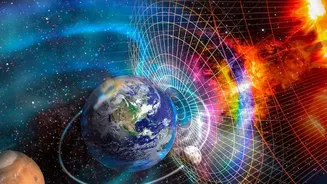
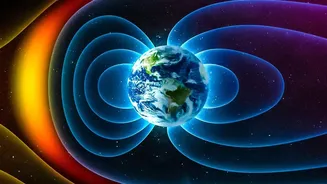
activity is occurring between late 2024 and early 2026. While some models suggest the absolute peak may have occurred in late 2024, 2026 remains a period of significant solar activity, with the potential for powerful solar flares and coronal mass ejections (CMEs) still high. These events hurl vast amounts of radiation and charged particles into space, creating what is known as space weather. When Earth is in the path of these solar outbursts, our planet's technological backbone is put at risk.
Satellites Under Direct Threat
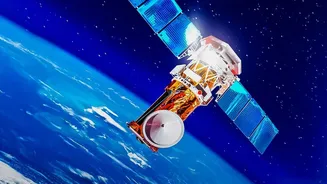
Space weather challenges satellites in several distinct ways. One of the most significant threats, especially for those in low-Earth orbit (LEO), is atmospheric drag. During a geomagnetic storm, energy from the sun heats and expands Earth's upper atmosphere. This increased density acts like a brake on satellites, causing them to lose altitude faster. If they cannot boost themselves back into a stable orbit, they risk premature reentry. In a stark example from February 2022, a relatively moderate storm caused the loss of up to 40 newly launched Starlink satellites. Beyond drag, high-energy particles can bombard a satellite's sensitive electronics, causing everything from data corruption (known as single-event upsets) to permanent failure. This radiation also degrades solar panels over time, reducing a satellite's operational lifespan.
The Paradox of Modern Infrastructure
Ironically, the very advancements that have made satellites more accessible and powerful also make them more vulnerable. The trend towards miniaturization means smaller, more densely packed electronics that are often less shielded and more susceptible to radiation damage than their bulkier predecessors. Furthermore, the rise of mega-constellations, such as SpaceX's Starlink, introduces a new level of systemic risk. These networks, comprising thousands of interconnected satellites, create a much higher density of traffic in LEO. A major solar storm that disrupts communication and navigation systems could turn the carefully managed choreography of collision avoidance into chaos. With satellites in these constellations needing to perform dozens of avoidance maneuvers each year, a widespread loss of control could lead to a chain reaction of collisions, potentially rendering certain orbits unusable for generations.
Building Resilience Against Solar Storms
Recognizing the growing threat, space agencies and commercial operators are actively developing mitigation strategies. Improved forecasting from organizations like NOAA's Space Weather Prediction Center provides crucial early warnings, allowing operators to take protective measures. These can include temporarily putting satellites into a protective "safe mode" to shield electronics or adjusting orbits to minimize drag. On the hardware front, engineers continue to develop radiation-hardened components and more effective shielding materials. For large constellations, a degree of resilience is built into the business model itself; the ability to rapidly produce and launch replacements makes the loss of some satellites economically manageable. This blend of forecasting, operational planning, and robust design is essential for safeguarding the orbital infrastructure that underpins so much of the global economy.