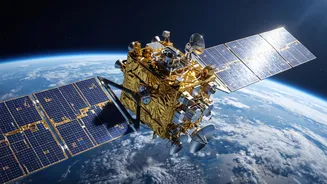


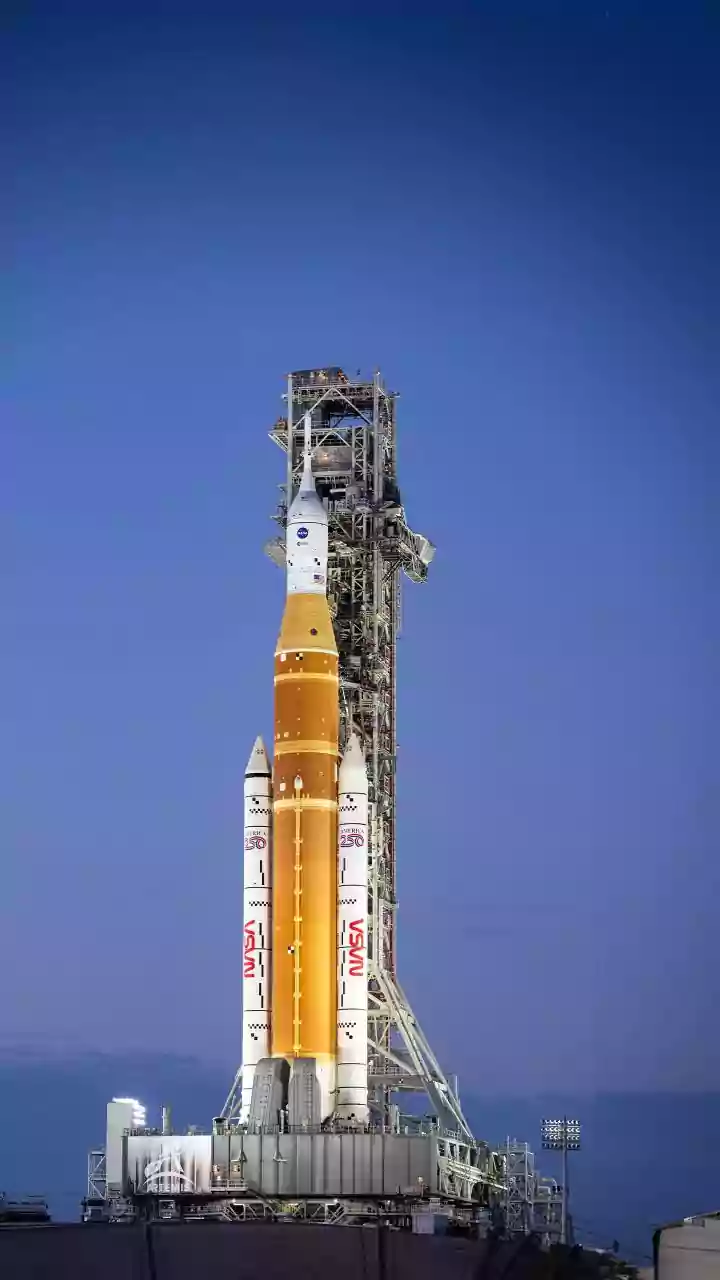



India's homegrown navigation system, NavIC, is getting a crucial upgrade. The NVS series of satellites, including the recently launched NVS-03, are designed to make this network more robust, reliable, and accessible for everyone.
India’s Answer to GPS
Navigation with Indian
Constellation, or NavIC, is the country's independent regional satellite navigation system, developed by the Indian Space Research Organisation (ISRO). Think of it as India's version of the American GPS, Russia's GLONASS, or Europe's Galileo. Its primary purpose is to provide reliable positioning, navigation, and timing services without depending on foreign systems, a crucial capability for national security and strategic autonomy. The system is designed to cover the entire Indian landmass and an area extending up to 1,500 kilometres beyond its borders, offering two main services: a Standard Positioning Service (SPS) for all users and an encrypted Restricted Service (RS) for authorised users, like the military.
Why an Upgrade Was Needed
The original constellation of NavIC satellites, known as the IRNSS series, faced significant challenges. Several of the first-generation satellites suffered from failures in their imported rubidium atomic clocks. These clocks are the heart of any navigation satellite, providing the ultra-precise timing needed to calculate a user's location. An error of even a microsecond can throw off a position by hundreds of metres. These clock failures rendered several satellites non-functional for navigation tasks, reducing the constellation's overall health and reliability and creating a pressing need for a new generation of replacements to ensure service continuity.
Enter the Next-Generation NVS Satellites
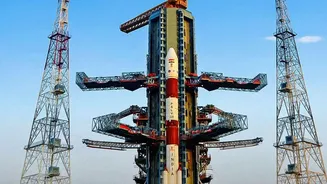
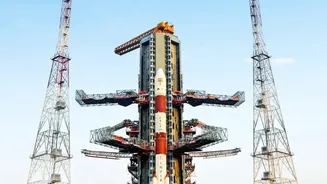
To address the issues and ensure the long-term health of NavIC, ISRO began deploying a second generation of satellites, known as the NVS series. The NVS-01 was launched in May 2023, followed by the successful launch of NVS-03 on October 30, 2026. These new satellites are not just replacements; they are significant upgrades. Designed for a longer mission life of 12 years, they are meant to augment the existing constellation, enhance its features, and guarantee that the NavIC network remains robust and uninterrupted for years to come. The launch of NVS-03 was particularly vital, as it restored the constellation to the minimum of four operational satellites required for standalone navigation services.
A Leap in Homegrown Technology
The most significant upgrade in the NVS series is the inclusion of an indigenously developed rubidium atomic clock. Developed by the Space Applications Centre in Ahmedabad, this 'Made in India' clock is a major step towards self-reliance, reducing dependence on foreign components that caused issues in the past. Another key improvement is the addition of a new L1 frequency band for civilian signals, alongside the existing L5 and S bands. The L1 band is widely used by global navigation systems like GPS, which means its inclusion will make it easier for chipsets in everyday devices like smartphones and wearables to become NavIC-compatible.
What It Means for You
While the technology is complex, the benefits are tangible. A more reliable and accurate NavIC network means better location services on your phone, more efficient vehicle tracking for logistics, and improved fleet management. It's also critical for disaster management, helping to provide early warnings and coordinate rescue operations. For sectors like transportation, banking, and power grids, which rely on precise timing, NavIC ensures synchronised and stable operations. Ultimately, strengthening NavIC bolsters India's strategic independence, ensuring that critical navigation and timing services remain secure and under its own control, benefiting citizens, industries, and defence forces alike.