









What Are Continuous Glucose Monitors?
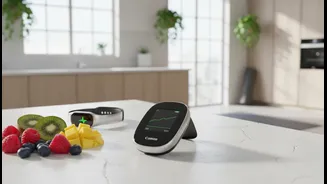
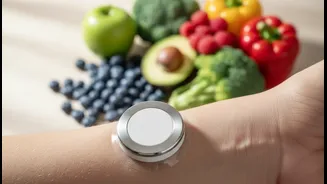
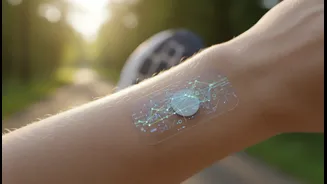
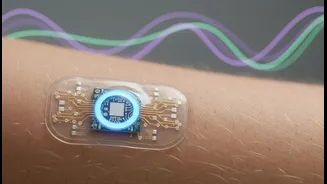
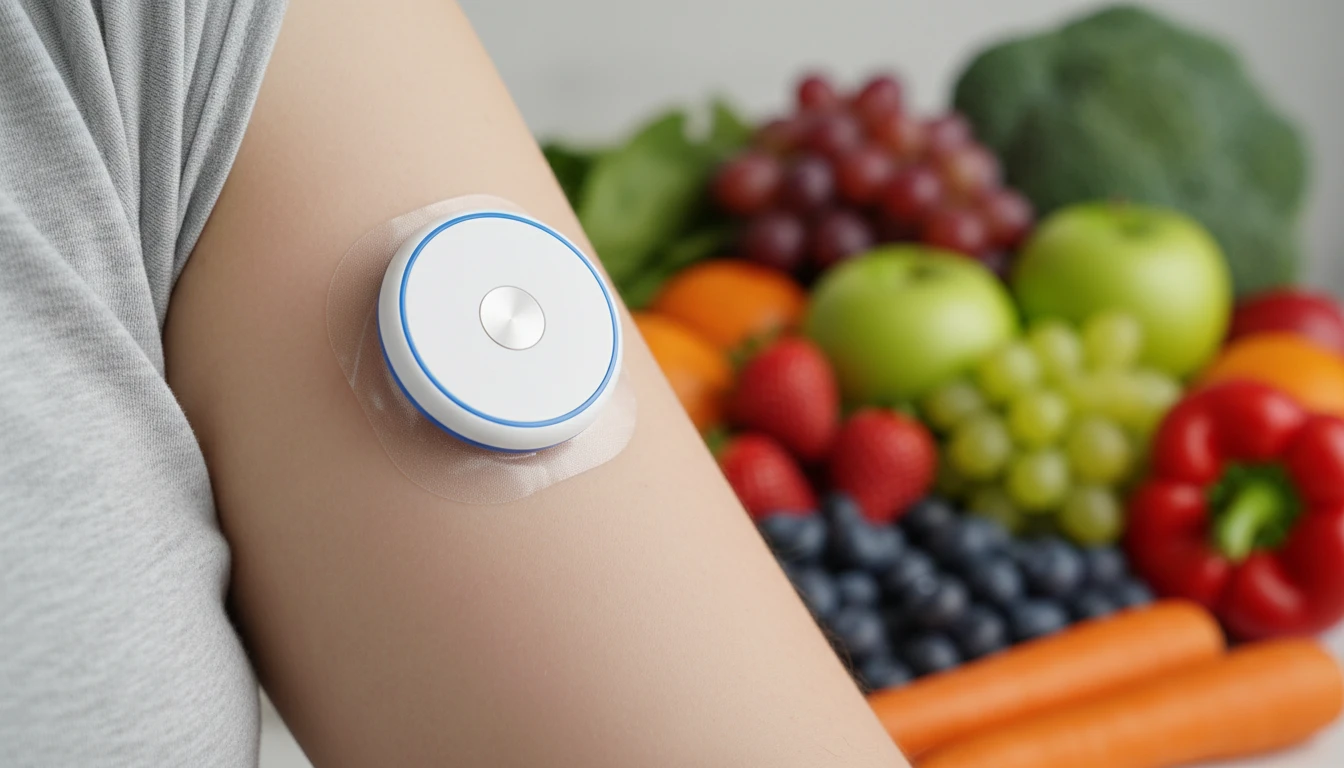
Originally developed for people with diabetes, a CGM is a wearable medical device that tracks your glucose (sugar) levels around the clock. A tiny sensor is inserted just under the skin, typically on the arm or belly, where it measures glucose in the fluid
between your cells every few minutes. This data is sent wirelessly to a smartphone app, providing a constant stream of information about how your body's sugar levels respond to food, exercise, stress, and sleep. Unlike a traditional finger-prick test, which gives a single snapshot in time, a CGM offers a dynamic movie of your body's metabolic response.
The New Bio-Hacking Tool
The latest adopters of CGMs are not diabetics, but health-conscious individuals, athletes, and 'bio-hackers' looking to optimize their performance and well-being. The core idea is that by monitoring glucose in real-time, you can make personalized dietary choices to prevent energy-sapping sugar spikes and crashes. Companies like Levels, Nutrisense, and Ultrahuman are marketing CGMs to the general public, promising a path to stable energy, weight management, improved mood, and long-term metabolic health. The promise is alluring: moving beyond generic dietary advice to discover exactly which foods work best for your unique biology.
What Do Users Hope to Gain?
Users are looking for data-driven answers to everyday wellness questions. They want to see the real impact of a banana versus a piece of toast, or how a post-meal walk can flatten a glucose curve. For many, seeing a sharp spike after eating a supposedly 'healthy' food can be a revelation, leading to immediate behavioral changes. Proponents believe this instant feedback loop is far more powerful than traditional calorie counting. They aim to keep their glucose levels within a stable range, which they believe leads to sustained energy, fewer cravings, better cognitive function, and a reduced risk of chronic diseases down the line.
A Reality Check From Experts
While the trend is booming, many medical experts urge caution. A primary concern is that there isn't enough evidence to show that using a CGM provides significant health benefits for people without diabetes. Endocrinologists point out that temporary fluctuations in glucose are a normal physiological response to eating and are not necessarily harmful in a healthy person. There are also risks of data misinterpretation, which can lead to unnecessary food fear, restrictive eating patterns, and health anxiety. Some studies even suggest that CGMs can overestimate blood sugar levels in healthy individuals, leading to a distorted perception of health. Furthermore, a CGM cannot diagnose prediabetes or diabetes; that still requires formal laboratory tests.
The Cost of Knowing
This level of personalized data doesn't come cheap. In India, CGM sensors from brands like Abbott's FreeStyle Libre or local players like GoodFlip can cost several thousand rupees for a sensor that lasts about two weeks. Subscription services that pair the device with an app and coaching can run into a significant annual expense. Without insurance coverage for non-diabetic use, the cost is a major barrier for the average person. Experts question whether this money is better spent on more proven health interventions, such as consulting a registered dietitian, joining a gym, or simply buying more whole, unprocessed foods.