





The 'Green Premium' in Real Estate
It’s a well-documented phenomenon in global real estate known as the 'green premium' or the 'park effect'. Properties located near well-maintained parks, green belts, and open spaces consistently command higher prices than comparable homes farther away.
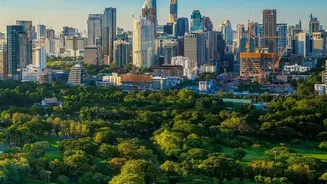
Numerous studies have quantified this, showing that homes within a short walk—typically around 500 feet—of a park can see their value increase by anywhere from 8% to 20%. This isn't just a trend in Western markets; a study in Pune, India, found that properties with access to natural amenities like hills and lakes saw a significant increase in both capital and rental values. In dense metropolitan areas like Mumbai, Delhi, and Bengaluru, where open space is scarce, this premium becomes even more pronounced. The logic is simple: as cities grow more crowded, the perceived value of nature, clean air, and recreational space skyrockets.
A Prescription for Higher Value
The most significant driver of the green premium is the direct impact on quality of life and health. Parks offer residents a convenient escape from the urban grind, providing space for exercise, relaxation, and mental recuperation. Access to nature has been linked to reduced stress, lower anxiety, and improved cognitive function. This wellness benefit is a powerful magnet for homebuyers, particularly families and health-conscious professionals. The environmental benefits also translate into tangible value. Trees and vegetation improve air quality by filtering pollutants and help mitigate the urban heat island effect, creating a cooler, more pleasant microclimate. This can lead to lower energy costs for homeowners. Furthermore, the natural sound barrier provided by green spaces reduces noise pollution, adding to the tranquillity and desirability of a neighbourhood.
The Social Fabric of a Neighbourhood
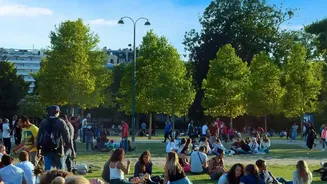
Parks are more than just green patches on a map; they are the social hearts of our communities. They serve as natural gathering places where neighbours connect, children play, and community events unfold. This fosters a stronger sense of community identity and social cohesion, which are intangible but highly valued qualities in a residential area. A well-used park signals a safe, active, and engaged neighbourhood—a key selling point for any property. The recreational opportunities are a clear draw, providing 'free' amenities that would otherwise be unavailable in a dense city. Playgrounds, walking trails, and sports facilities add immense lifestyle value, making the area more attractive to a wider range of buyers.
Aesthetics, Scarcity, and Prestige
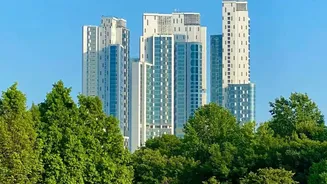
In top-tier metropolitan neighbourhoods, a park-facing address is often a status symbol. The aesthetic appeal of a green vista, as opposed to a view of another concrete building, is a luxury many are willing to pay a premium for. This 'view premium' is a distinct component of the overall property value uplift. As cities become more developed, the scarcity of these green views only increases their value over time. For urban planners and developers, incorporating green spaces is no longer an afterthought but a core part of a strategy to create thriving, high-value communities. A project with integrated parks or proximity to a large public green space has a built-in marketing advantage and is seen as a more resilient long-term investment.
Not All Green Spaces Are Equal
While the positive correlation is strong, the size and quality of the park matter. Large, well-maintained parks with diverse amenities like playgrounds and walking trails tend to have the biggest impact. Proximity is key, with most studies showing the premium drops off significantly for properties located more than 500-600 feet away. Conversely, poorly maintained, unsafe, or noisy parks can sometimes have a neutral or even negative effect on property values, as issues like congestion and lack of privacy can outweigh the benefits. Therefore, for homebuyers and investors, the assessment is not just about being near a park, but being near the right park.