




The Science of Soggy Air
The root of the problem is simple: humidity. During the monsoon, the air outside is saturated with moisture. Think of the air as a sponge that is already full of water. This is measured as high relative humidity, meaning the air is holding close to the maximum
amount of water vapour it can at its current temperature. When this heavy, moisture-laden air flows into your home, it brings all that water with it, instantly raising the humidity levels indoors. Without proper ventilation, this moist air gets trapped, creating the foundation for a damp and uncomfortable environment.
Why Your Walls Feel Wet
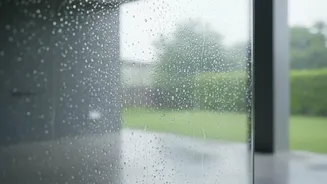
That slightly wet feeling on your walls and floors isn't just your imagination. It’s a scientific process called condensation. When the warm, humid monsoon air from outside enters your relatively cooler home, it comes into contact with cooler surfaces like tiled floors, windows, and concrete walls. As the air cools against these surfaces, it can no longer hold as much moisture. The excess water vapour is then released and turns back into liquid droplets, leaving a fine layer of water. It's the same reason a cold glass of water “sweats” on a humid day. Your house is essentially doing the same thing on a larger scale.
Decoding That Musty Smell
The distinct musty or earthy odour is the most unwelcome sign of monsoon dampness. This smell is not from the moisture itself, but from what thrives in it: mould and mildew. These are tiny fungi that flourish in damp, poorly ventilated spaces. The constant moisture on your walls, in your closets, and on your furniture provides the perfect breeding ground. As these fungi grow and multiply, they release gases known as microbial volatile organic compounds (MVOCs), which produce the characteristic stale smell. Beyond the unpleasant odour, mould can damage clothes, warp wooden furniture, and trigger allergies, asthma, and other respiratory issues.
Ventilation: Your First Line of Defence
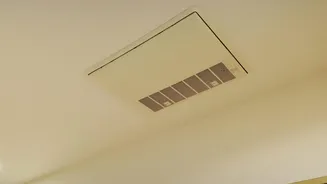
The most powerful and cost-effective tool against indoor dampness is good ventilation. Trapping humid air inside is the core problem, so the goal is to get it moving and get it out. Try to open windows and doors for at least 30 minutes every day, ideally creating a cross-breeze that flows through the house. Make it a rule to use exhaust fans every time you cook or shower, as these activities release significant amounts of moisture into the air. If you don't have an exhaust, opening a nearby window can help. The simple act of circulating air prevents moisture from settling and keeps mould from getting a foothold.
Clever Ways to Dehumidify Your Space
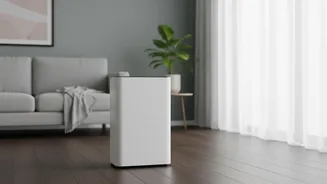
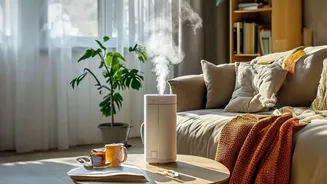
While an electric dehumidifier is highly effective, there are several low-cost, DIY methods to absorb excess moisture from the air. Placing open bowls of rock salt or charcoal briquettes in damp corners, cupboards, or rooms can work wonders. Both materials are hygroscopic, meaning they naturally attract and absorb water from the atmosphere. You'll need to replace them every so often as they become saturated. For closets and wardrobes, hang small pouches of silica gel or even a few pieces of chalk to protect your clothes and prevent that dreaded musty scent from setting in.
Protecting Your Walls and Furniture
Your belongings need protection too. Keep a gap of a few inches between furniture and walls to allow air to circulate behind them, preventing moisture from getting trapped. This is especially important for wooden items, which can swell and warp in high humidity. Before the monsoon hits, it’s a good idea to check for and repair any cracks or leaks in your roof and walls that could let water in. For clothes in storage, ensure they are completely dry before packing them away, and consider using camphor balls or neem leaves, which act as natural moisture repellents.