






Why Bother with Your Breath?
Intentional breathing exercises, or breathwork, can have a significant impact on your well-being. By deliberately slowing your breath, you can activate the parasympathetic nervous system, often called the 'rest-and-digest' system. This shift helps lower
your heart rate, reduce levels of the stress hormone cortisol, and promote a sense of calm. Studies show that a regular practice can lead to reduced anxiety and depression, better emotional regulation, improved focus, and even better sleep quality. It's a simple, free tool you can use anytime, anywhere to manage your mental and emotional state.
Safety First: A Gentle Approach
While gentle breath awareness is safe for most people, it's important to approach any new practice with caution. The key is to listen to your body; breathing exercises should feel supportive, not forced. If you feel dizzy, lightheaded, or panicked, stop the exercise and return to your natural breathing pattern. Certain intense techniques involving hyperventilation or long breath holds are not recommended for beginners and carry risks for individuals with specific health conditions. People with a history of cardiovascular disease, high blood pressure, epilepsy, glaucoma, severe asthma, or who are pregnant should consult a doctor before starting any structured breathing practice, especially more intensive forms.
A Simple Start: Diaphragmatic Breathing
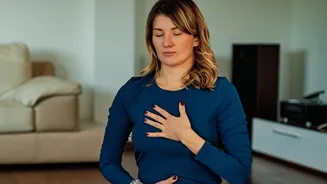
One of the most foundational and calming exercises is diaphragmatic or 'belly' breathing. Many of us tend to breathe shallowly into our chests, but belly breathing encourages a fuller, deeper breath. To try it, find a comfortable position, either sitting or lying down. Place one hand on your chest and the other on your belly. Inhale slowly through your nose for a count of four, focusing on making your belly rise while your chest stays relatively still. Then, exhale slowly through your mouth for a count of six, feeling your belly gently fall. The longer exhale helps deepen the relaxation response. Repeat this for five minutes.
Another Easy Technique: Box Breathing
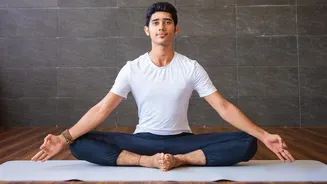
Box breathing, or square breathing, is another simple yet powerful technique for calming the nervous system and improving focus. It gets its name from the four equal sides of a box, with the practice broken into four equal parts. To practice, sit comfortably with your back straight. Exhale all the air from your lungs. Then, inhale slowly through your nose for a count of four. Hold your breath for a count of four. Gently exhale through your nose for a count of four. And finally, hold your breath again for a count of four. Each four-part cycle can be repeated several times.
From One-Off to Daily Habit
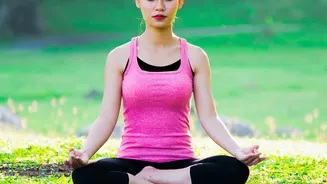
The real benefits of breath awareness come from consistency. To build a lasting habit, start small. Begin with just two to five minutes a day at a time that works for you. A great strategy is 'habit stacking'—linking your new breathing practice to an existing daily routine, like right after you brush your teeth or before your morning coffee. Find a quiet space where you won't be disturbed. Don't worry about emptying your mind; the goal isn't to stop thinking but to gently return your focus to the breath whenever your mind wanders. Be patient and kind to yourself. If you miss a day, just begin again the next. The goal is progress, not perfection.