

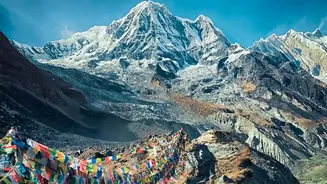

Rohtang Pass, Himachal Pradesh
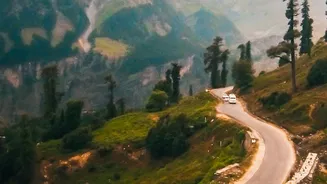
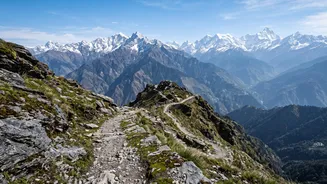
Connecting the Kullu Valley with Lahaul and Spiti, Rohtang Pass is a legendary name among road-trippers. Sitting at an altitude of 13,058 feet, its name translates to 'pile of corpses', a grim nod to the perils of crossing it. While the Atal Tunnel now
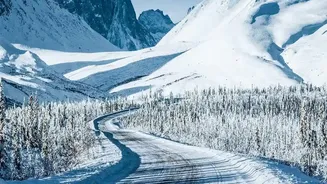
bypasses the pass for year-round connectivity, the old road remains a bucket-list drive for enthusiasts. The journey from Manali is a dramatic ascent through pine forests before the landscape opens up to a stark, snow-covered world. The thrill lies in its hairpin bends, unpredictable weather, and the sheer drop-offs. In winter, access is heavily restricted and often completely closed, but shoulder seasons like late May or October can offer the perfect blend of snow and drivable conditions. Authorities may permit 4x4 vehicles for limited periods even in early winter if conditions are favourable, but this is an exception, not the rule. Always check the official status before attempting the drive, as the weather can turn treacherous without warning.
Zoji La, Jammu and Kashmir
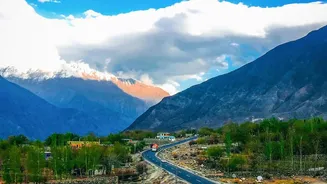
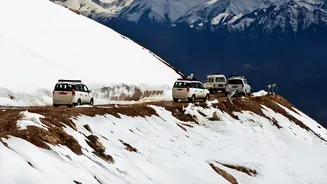
Serving as the gateway between Kashmir and Ladakh, Zoji La is a formidable pass on the Srinagar-Leh Highway. At approximately 11,575 feet, it's notorious for its dramatic scenery and challenging conditions. The drive is a mix of awe and anxiety; the road is often a narrow ledge carved into the mountainside, with steep drops and the potential for slush and ice. Fresh snowfall was reported as recently as October 14, 2026, leading to traffic restrictions and snow-clearing operations. While the pass typically closes for winter, its opening in late spring (around April or May) is a spectacular event, with towering walls of snow flanking the cleared road. The drive requires careful navigation, especially with one-way traffic regulations often in place to manage the flow of vehicles. For many, the highlight is reaching 'Zero Point' just beyond the pass, a popular spot for tourists to experience snow.
Sela Pass, Arunachal Pradesh
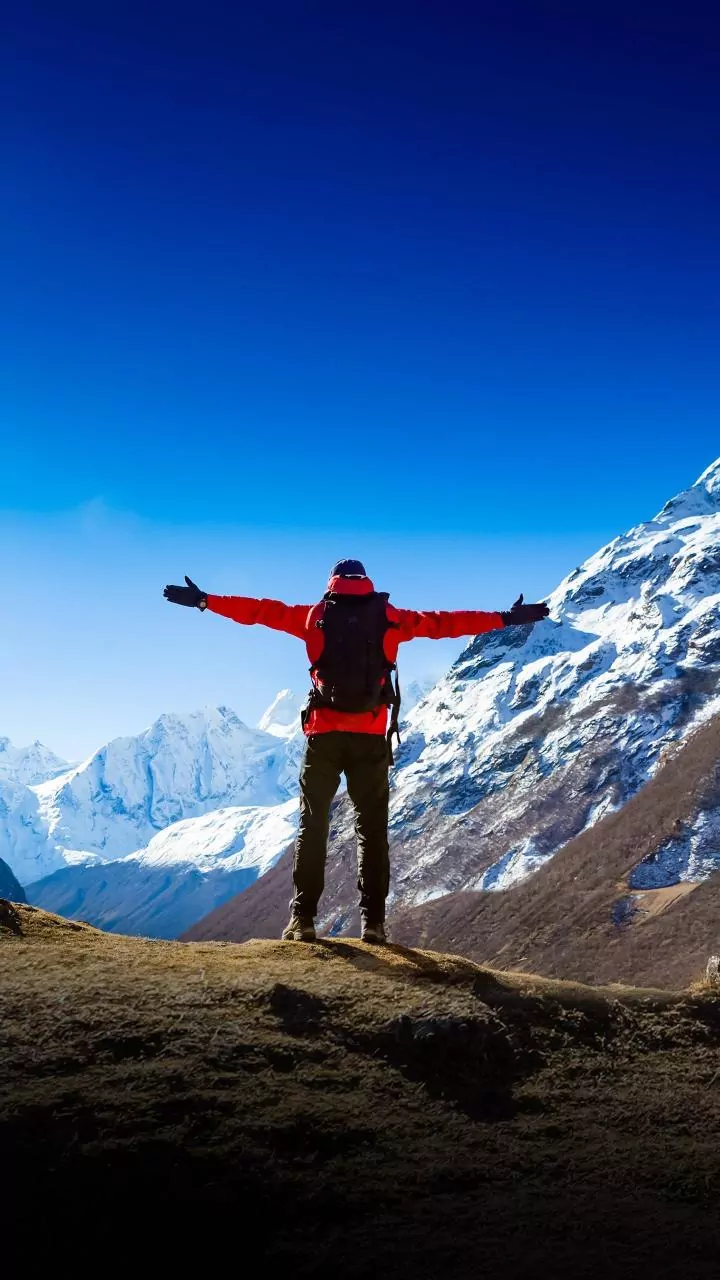
At nearly 13,700 feet, Sela Pass connects the Tawang district to the rest of India and is a place of breathtaking, stark beauty. The route from Dirang is an ascent into a different world, leaving lush valleys behind for a rugged, treeless terrain often covered in a blanket of white. The drive is mesmerising, winding past the stunning Sela Lake, a sacred glacial lake that often remains frozen for much of the year. While the new Sela Tunnel, inaugurated in 2024, now offers a more reliable all-weather connection, thrill-seekers can still opt for the old route over the top to experience the raw beauty and challenge of the pass itself. The road can be treacherous, with snow and ice making the journey a true test of a driver's skill, but the panoramic views are an unforgettable reward.
Khardung La, Ladakh
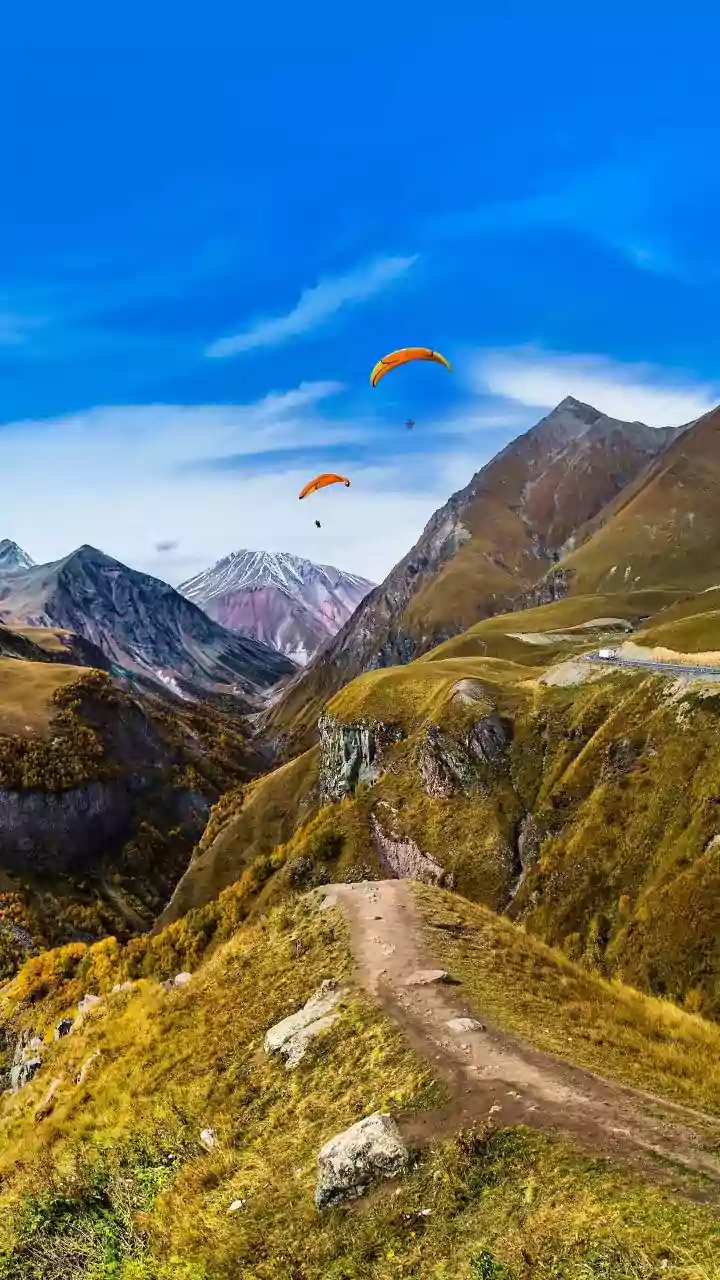
Once famously (and incorrectly) known as the world's highest motorable road, Khardung La, at an official altitude of 17,582 feet, is the gateway to the Shyok and Nubra Valleys. The drive from Leh is a steady, winding climb that offers magnificent views of the surrounding peaks. Due to its strategic importance, the Border Roads Organisation (BRO) works to keep the pass open for much of the winter, though heavy snowfall can cause temporary closures lasting hours or even days. This makes a winter drive a possibility, but one fraught with uncertainty. The low oxygen levels at this altitude make both physical exertion and vehicle performance a challenge. Drivers must be prepared for extreme cold, icy patches, and the need for slow, careful navigation on the steep, winding road.
A Note on Safety
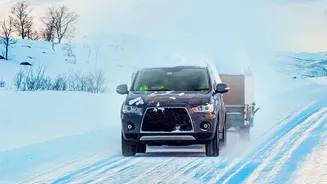
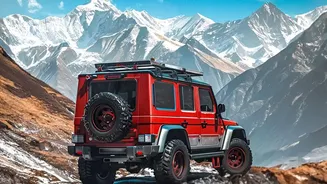
These routes are not for the faint of heart or the unprepared. A reliable 4x4 vehicle with good ground clearance and high-quality tyres is essential. Before you go, ensure your vehicle has been thoroughly serviced, paying special attention to brakes, battery, and antifreeze levels. Always carry an emergency kit with warm blankets, extra food and water, a first-aid kit, and a shovel. Driving techniques must be adapted for snow and ice: maintain a slow, steady speed, use gentle acceleration and braking, and favour engine braking on descents. On narrow mountain roads, the unwritten rule is that uphill traffic has the right of way. Most importantly, check weather forecasts and local road advisories constantly, and always have a backup plan.