




From Afterthought to Main Event
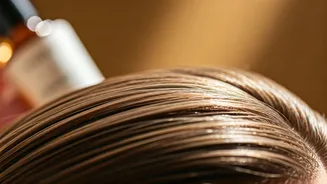
Walk down any beauty aisle and you’ll notice a significant shift: the focus of hair care is moving north. For decades, scalp care was mostly limited to anti-dandruff shampoos. The industry pushed products promising shine and smoothness for our strands,
while the skin on our heads was largely ignored. That’s all changing. Consumers and professionals now increasingly understand that strong, vibrant hair starts with a healthy scalp. This new philosophy has sparked a surge in the scalp care market, which is projected to reach nearly $20.79 billion by 2030. This isn’t just a trend; it's a fundamental re-evaluation of what hair health truly means, treating the cause rather than just the symptoms.
The 'Skinification' of Hair Care
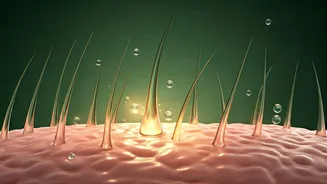
The driving force behind this movement is a concept called 'skinification'. It’s the idea of applying the same principles, ingredients, and sophisticated routines from skincare to scalp care. Think about it: your scalp is skin, an extension of your face with a complex ecosystem of follicles, glands, and a microbiome that needs balance. As a result, hero ingredients from facial serums are now staples in hair products. You'll find hyaluronic acid for hydration, salicylic acid for exfoliation, ceramides to support the skin barrier, and peptides to encourage growth. This approach elevates hair care from simple cleansing to a targeted, science-backed regimen for long-term health.
Decoding Your Scalp's Needs
A healthy scalp is clean, hydrated, and has good circulation, which delivers essential nutrients to hair follicles. When the scalp is out of balance—whether it's too oily, too dry, or clogged with product buildup—it can't do its job effectively. This can lead to common issues like inflammation, flaking, itchiness, and even slowed growth or hair thinning. An imbalanced pH can also disrupt the scalp's protective barrier, making it vulnerable to irritation. Dermatologists recommend gently massaging shampoo into the scalp, as this is where oils and dead skin cells accumulate. How often you should wash depends on your oil production; some may need to wash daily, while others with drier scalps can go longer.
The New Scalp-Care Arsenal
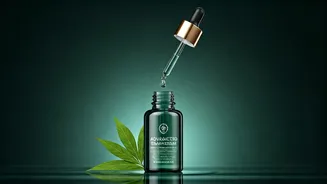
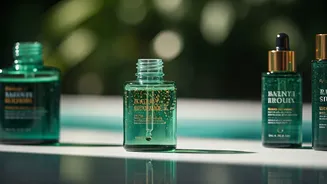
The market has responded with an innovative array of products that go far beyond traditional shampoo and conditioner. The new scalp-care lineup mirrors a multi-step skincare routine, with products like pre-shampoo oils, detoxifying scrubs, and leave-in serums becoming mainstream. Pre-wash treatments, like the Briogeo Rosemary Pre-Wash Hair Oil, nourish the scalp and prepare it for cleansing. Exfoliating shampoos and scrubs from brands like K18 and Cécred help remove buildup from products, oil, and hard water. Perhaps the most significant innovation is the rise of scalp serums—lightweight, leave-in treatments formulated to address specific concerns like dryness, oiliness, or hair density without weighing hair down.
Expert-Approved Habits for a Healthy Scalp
Beyond new products, dermatologists emphasize a few core habits for maintaining scalp health. First, choose products formulated for your hair type and be gentle; your scalp needs cleaning, but aggressive scrubbing isn't necessary. Protecting your scalp from the sun is also crucial, as UV rays can damage the skin and exacerbate thinning. A balanced diet rich in vitamins and minerals like iron, zinc, and omega-3s also supports healthy cell turnover on the scalp. Finally, stimulating blood flow with regular scalp massage—whether with your fingertips or a tool—can improve the delivery of oxygen and nutrients to the follicles, creating the best possible environment for hair to thrive.