
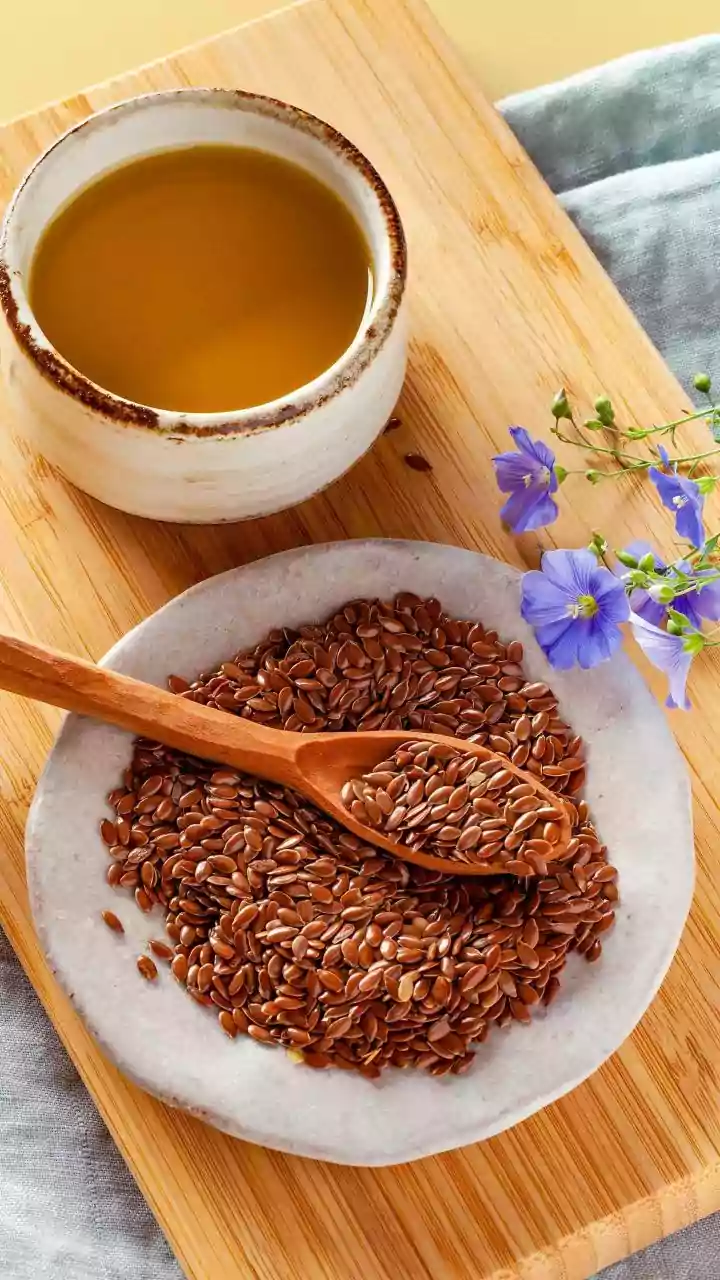






Why Summer Makes You Feel Bloated
It’s not just your imagination. The sweltering heat can genuinely throw your digestive system off balance. When temperatures rise, our bodies work overtime to cool down, diverting blood flow away from the digestive tract and towards the skin. This can slow
down digestion, leading to a feeling of fullness and gas build-up. Furthermore, we often become mildly dehydrated without realising it, which can cause the body to retain water, contributing to that puffy, bloated sensation. Changes in diet, such as consuming more cold drinks and processed foods, can also disrupt the delicate balance of our gut.
The Digestive Power of Cumin (Jeera)
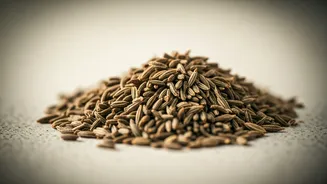
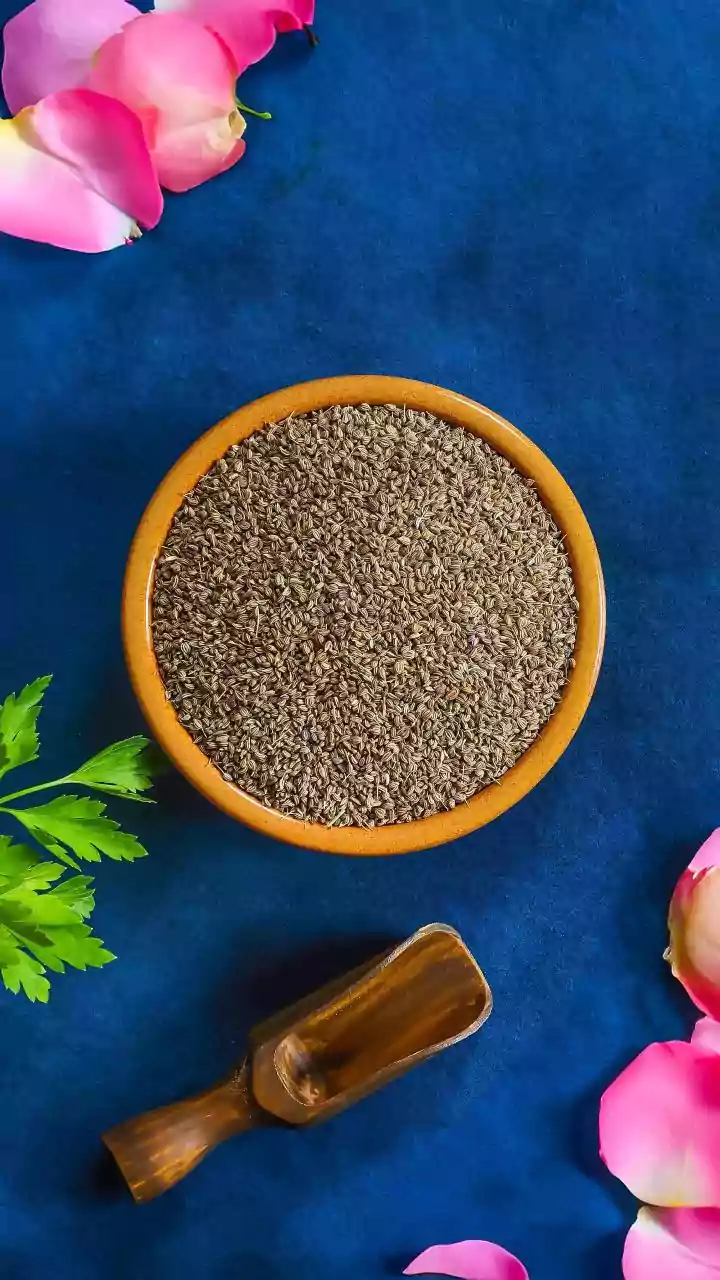
Cumin, or jeera, is a cornerstone of Indian cooking for a reason that goes far beyond its earthy flavour. For centuries, it has been hailed in Ayurveda as a powerful digestive aid. Cumin seeds are known to stimulate the secretion of pancreatic enzymes, which are compounds necessary for proper digestion and nutrient absorption. They are also considered a carminative, a substance that helps prevent the formation of gas in the gastrointestinal tract and facilitates its expulsion. The active compound, thymol, encourages the glands that secrete acids, bile, and enzymes, promoting overall digestive health. A warm jeera infusion helps activate these properties, making it a go-to remedy for indigestion and flatulence.
The Soothing Qualities of Fennel (Saunf)
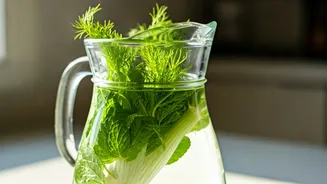
Fennel seeds, or saunf, are the quintessential post-meal mouth freshener found at the counters of most Indian restaurants. This practice is rooted in tradition for its digestive benefits. Fennel is rich in volatile oils, particularly anethole, which has anti-inflammatory and antispasmodic properties. This means it can help relax the smooth muscles of the stomach and intestines, relieving cramps and the discomfort associated with gas and bloating. Like cumin, fennel is also a potent carminative. Chewing the seeds or drinking them in a tea helps release these oils, providing a gentle and soothing effect on a troubled tummy.
How to Make the Comforting Tea
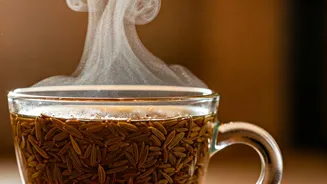
Preparing this digestive tea is incredibly simple and requires just two ingredients and water. There’s no need for precise measurements; you can adjust according to your taste. Here is a basic recipe to get you started: **Ingredients:** - 1 teaspoon of cumin seeds (jeera) - 1 teaspoon of fennel seeds (saunf) - 2 cups of water - Optional: a small piece of ginger, a pinch of black salt (kala namak), or a few drops of lemon juice. **Method:** 1. In a small saucepan, add the cumin and fennel seeds to the water. 2. Bring the water to a boil. 3. Once it starts boiling, reduce the heat and let it simmer for about 5-7 minutes. This allows the essential oils and beneficial compounds to infuse into the water. You will notice the water turning a pale, golden-brown colour. 4. Turn off the heat and strain the tea into a cup. 5. Let it cool down to a warm, drinkable temperature before sipping. You can add a pinch of black salt or a squeeze of lemon for extra flavour and digestive benefits if you like.
When and How to Drink It
For the best results, consistency is key. You can drink a warm cup of this tea about 30 minutes after your lunch or dinner, especially if you’ve had a heavy meal. This helps kick-start the digestive process and prevent the post-meal slump and bloating. Some people also find it beneficial to have a cup first thing in the morning on an empty stomach to awaken the digestive system. The key is to sip it warm, not piping hot, as warm water itself aids digestion. Avoid gulping it down; sip it slowly to allow your body to absorb its benefits gently. While it’s a wonderful remedy for occasional bloating, it’s not a magic cure for chronic digestive issues.